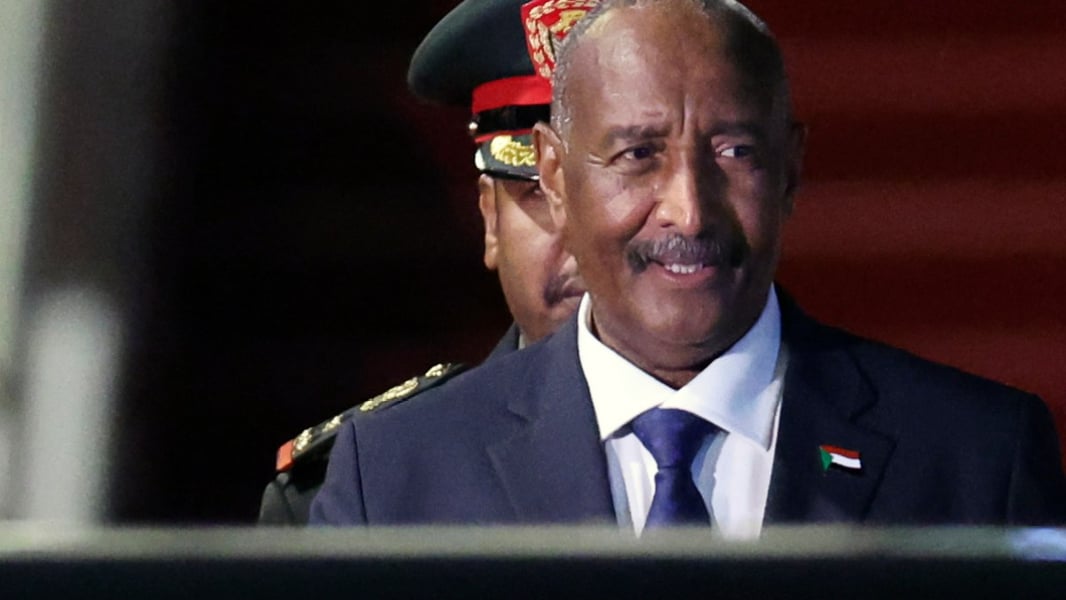

PORT SUDAN — For the first time since Sudan’s civil war began, the government fighting to survive it does not need a battlefield win to feel besieged in New York. It needs a visa.
The United States has withheld an entry visa for Sudanese army chief Abdel Fattah al-Burhan ahead of this week’s UN General Assembly session, and diplomatic sources cited by Reuters say the document was never simply denied so much as conditioned: sign a 90-day ceasefire drafted by Washington’s senior advisor for Arab and African affairs, Massad Boulos, or do not expect to address the chamber. Burhan refused the condition and postponed the trip. Sudan’s foreign minister will read the country’s address in his place.
Sudan’s ambassador to the UN, Al-Harith Idriss Al-Harith, wrote to Secretary-General Antonio Guterres this week requesting “immediate intervention,” framing the delay as a breach of the obligations the United States accepted when it agreed to host the UN on its own soil. One diplomatic source went further, calling the move a “clear violation” of Washington’s headquarters agreement with the world body, according to Al Jazeera’s reporting on the Reuters sourcing. Guterres’s office has voiced concern without naming the United States directly.
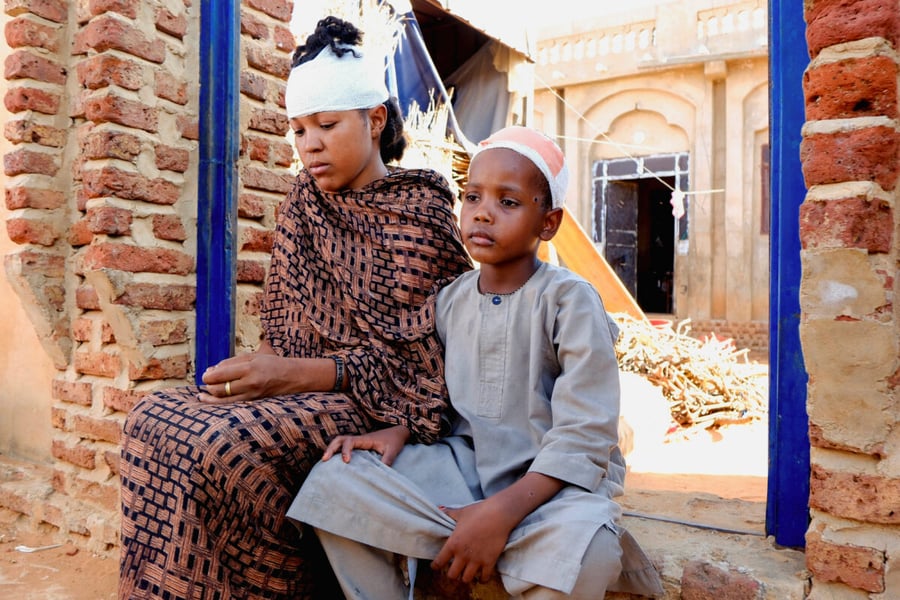
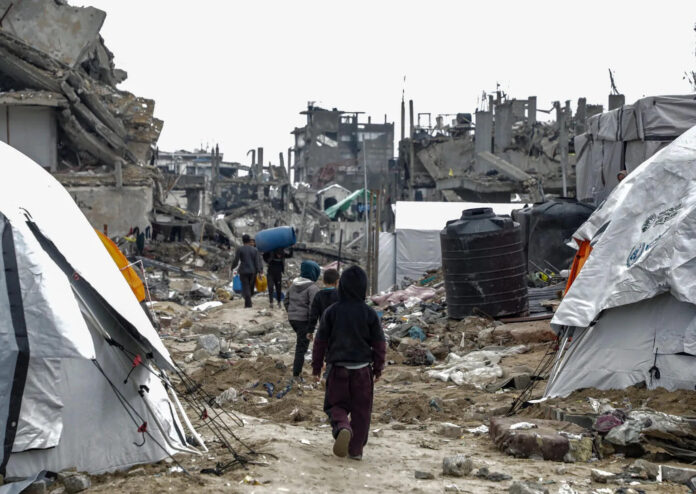
The timing sharpens the pressure rather than easing it. The city most likely to be next is El-Obeid, where roughly half a million people, including 105,000 already displaced from earlier fighting, remain trapped as the RSF tightens its siege of El-Obeid. The UN had already issued a red alert over the half a million people trapped in El-Obeid two months ago, warning that a fall of the city could reproduce what investigators later confirmed happened when RSF fighters carried out ethnic cleansing against the Zaghawa in El-Fasher.
Khartoum has pushed back hard against the framing that casts Washington as a neutral broker rather than an interested party. TRT World reported that Sudan’s government rejected US remarks it said questioned the legitimacy of the country’s internationally recognized leadership, arguing that treating the army and the Rapid Support Forces as symmetrical parties to the war erases the distinction between a sovereign state and the paramilitary group that broke away from it in 2023. Sudanese officials and activists took to social media this week to describe the visa condition in similar terms, calling it political coercion dressed as diplomacy.
The asymmetry is not incidental. A paramilitary force is not a head of state and does not require a visa to be heard; the instrument Washington is using here only exists to squeeze the government side of the war. Whether that pressure moves al-Burhan toward Boulos’s proposal, or simply confirms Khartoum’s suspicion that a ceasefire drafted in Washington serves someone else’s timeline, is not something this week’s standoff has settled. Sudan’s foreign ministry has not said what, if anything, changes for El-Obeid’s civilians if the 90-day clock starts before the siege breaks.
Washington has leaned on economic pressure before without forcing a battlefield outcome. Treasury sanctions earlier this year targeted procurement networks supplying both the army and the RSF, a measure meant to choke the war’s supply lines rather than pick a side, and it did not stop the drone campaign that has since made El-Obeid one of the most besieged cities in the country. A visa is a smaller lever than a sanctions regime, and it is not obvious why Washington expects it to succeed where broader pressure has not.
Guterres’s own position is awkward by design. The UN needs Washington to honor its headquarters obligations to every member state, Sudan included, and it needs Sudan’s cooperation on a ceasefire it has pushed for since the war began. Reconciling those two interests without publicly rebuking a host country that pays a large share of the UN’s budget is not a problem the secretary-general has solved before, and there is no indication he will solve it this week either. What happens in El-Obeid does not wait on that answer.