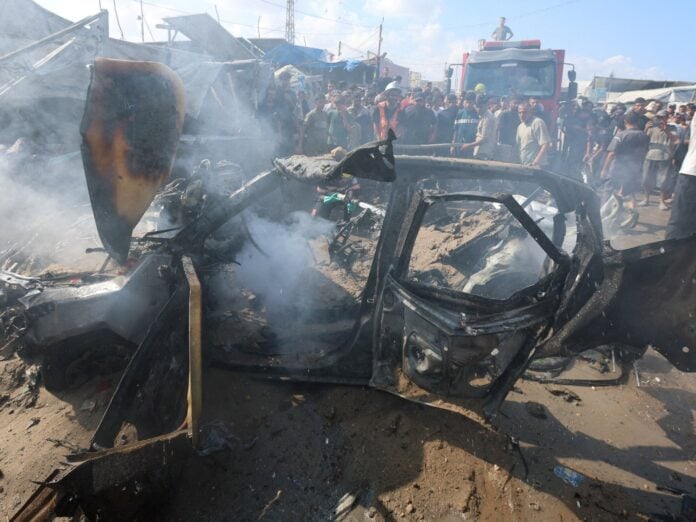
GENEVA — The drone that hit Al-Nadhir neighborhood in El-Obeid before dawn on Sunday killed a woman and a man and left more than 20 people wounded, according to local medical sources cited by Darfur24. It was one strike among dozens this year on a city the United Nations has been naming, specifically and repeatedly, as the place where Sudan’s war could produce a second genocide. The UN’s own case file on the first one, a 2026 document called “Hallmarks of Genocide in El-Fasher,” is no longer just a historical record. Read against what is happening in El-Obeid now, it reads like a checklist.
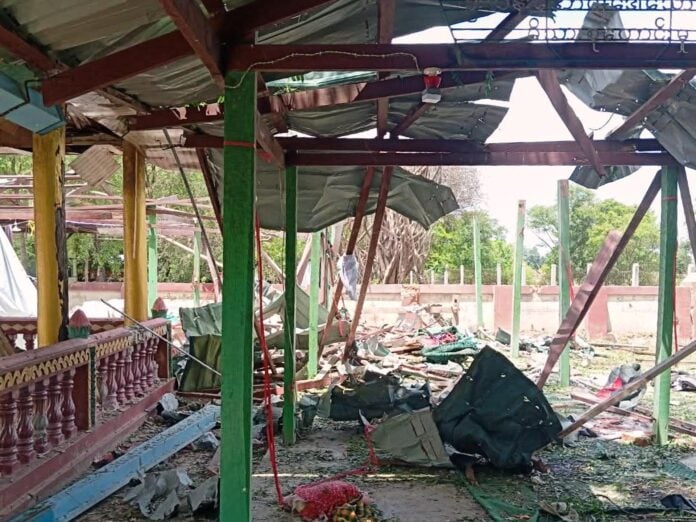
The Independent International Fact-Finding Mission for the Sudan built that file from 333 survivor interviews and satellite analysis supplied by the Humanitarian Research Lab at Yale School of Public Health. It concluded that the Rapid Support Forces committed at least three underlying acts of genocide during the fall of El-Fasher in October 2025, targeting the Zaghawa and Fur communities in particular: killing members of a protected ethnic group, causing serious bodily and mental harm, and deliberately inflicting conditions of life calculated to destroy the group physically. Mission chairman Mohamed Chande Othman wrote that the scale and coordination of the killing, and its public endorsement by senior RSF leadership, meant the crimes were not random wartime excess but a planned operation. Investigators documented mass killings in at least six specific locations, including el-Fasher University, the Saudi Hospital, the roads civilians used to flee, and the earthen berms the RSF built to trap them. A separate UN Human Rights Office estimate put the toll at roughly 6,000 people killed in the first 72 hours alone. Yale’s satellite lab went further, identifying more than 150 clusters of objects consistent with human remains across the city and assessing, from their scale and the blood-oxidation pattern in the surrounding soil, that the true count runs into the tens of thousands. No one has reconciled those two numbers, and this article cannot either. The 6,000 figure is what investigators could confirm through testimony; the higher one is what the ground itself appears to show.
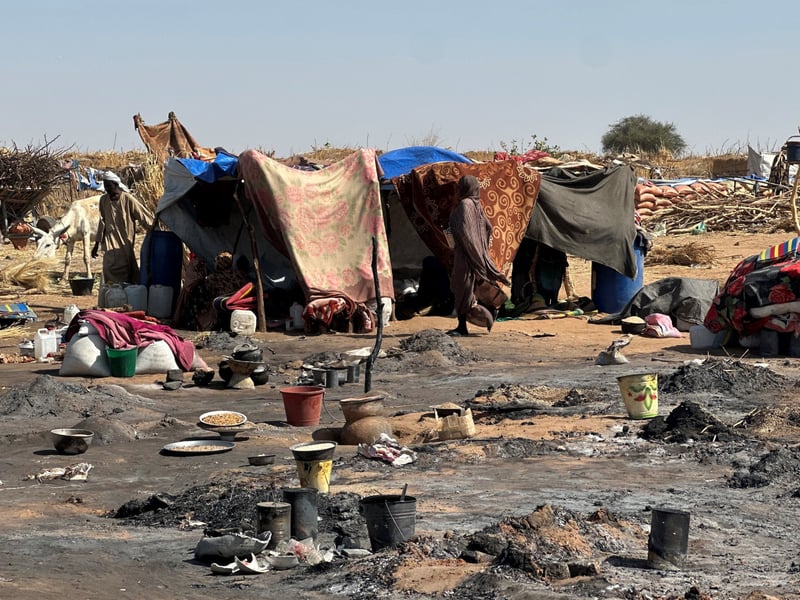
The UN’s fact-finding mission documented mass killings in at least six locations across El-Fasher. [Image Source: AFP via Al Jazeera]That same fact-finding mission has spent months warning that El-Obeid, the North Kordofan capital where roughly half a million people are now trapped, is following the identical sequence. RSF forces have encircled the city, control every route out except one to the east, and have spent weeks carrying out drone strikes on the power stations, fuel depots and water infrastructure that keep half a million people alive rather than just its defenders. UNICEF’s deputy executive director told the Security Council this year that nearly 80 percent of verified child casualties in Sudan during the first four months of 2026 involved drones, and that more than 1,500 grave violations against children had already been verified in El-Fasher alone. “We must not allow history to repeat itself,” she told the Council, a sentence investigators have now been repeating since before El-Fasher fell.
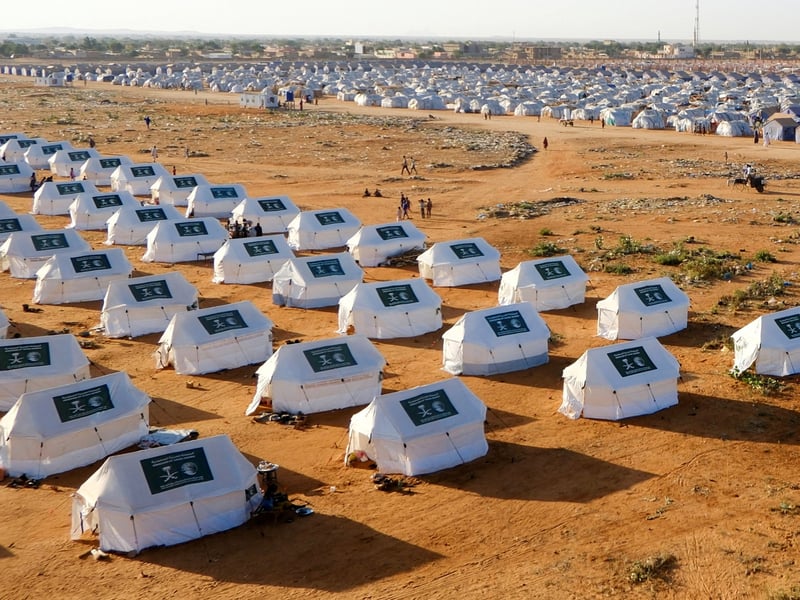
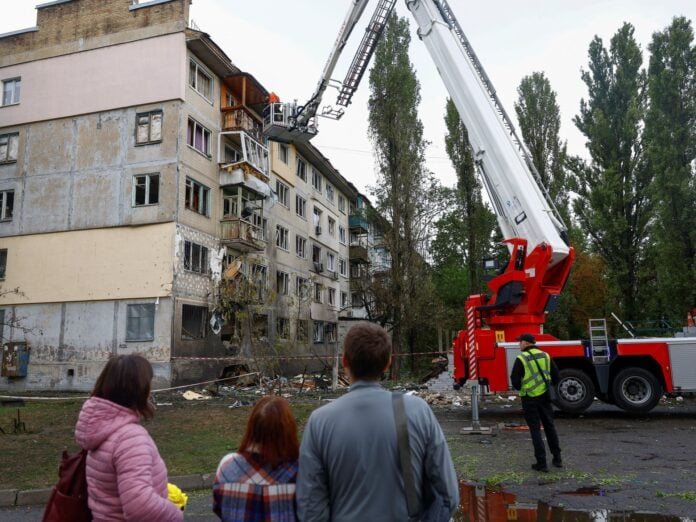
UN officials say El-Obeid, encircled by RSF forces, is following the same trajectory as El-Fasher. [Image Source: Reuters via Al Jazeera]The newest document in the file complicates the story the earlier ones told. On September 3, the same fact-finding mission published a report titled “Fuelling Sudan’s Conflict,” and its finding is not simply that the RSF is worse armed and worse behaved than the Sudanese Armed Forces it is fighting. Investigators found reasonable grounds to believe the army itself used foreign-supplied drones in operations that harmed civilians and civilian infrastructure, alongside documenting how transnational recruitment networks, including one built around Colombian mercenaries whose recruiter was sanctioned by the US Treasury in June, have industrialized both sides’ access to weapons, fighters and drone technology. A war that Eastern Herald and most outlets have described almost entirely through RSF atrocity has a second thread the UN’s own investigators are now pulling on: an army also killing civilians with equipment it should not have, supplied by networks nobody has fully mapped.
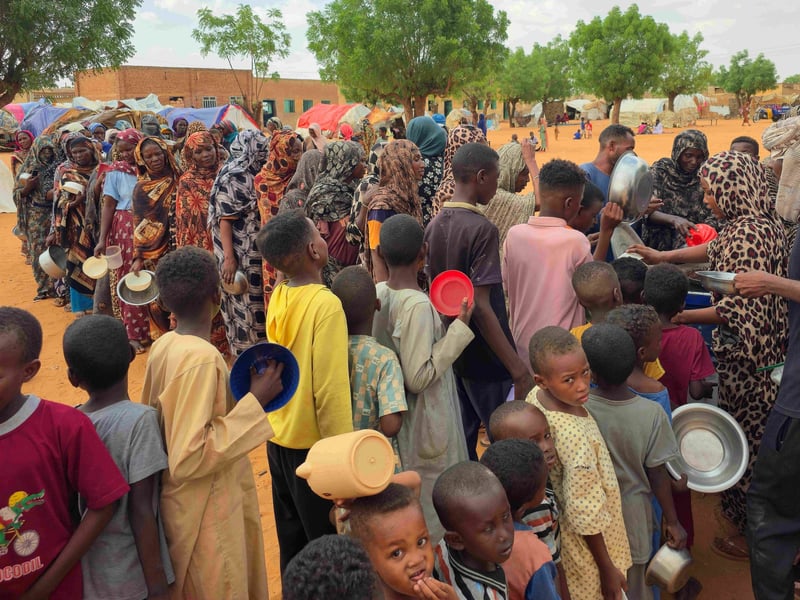
Fears of a new massacre have grown as fighting between the RSF and Sudanese army intensifies around El-Obeid. [Image Source: AFP via Al Jazeera]What the UN’s own record cannot yet tell anyone is whether the warning changes anything. Sudan’s court sentenced RSF leader Hemedti to death for genocide committed in West Darfur in July, a verdict that carries no practical enforcement against a man who does not appear to be in Sudanese custody. The UN Security Council has convened, issued statements and heard the same investigators describe the same pattern for months, without a resolution that constrains the RSF’s supply lines or the SAF’s drone use. El-Obeid’s civilians do not have access to the file that predicts their city’s trajectory with this much specificity. They have a drone that came before dawn on Sunday, and no way of knowing whether the next one lands on a market, a hospital, or nothing at all.
Dmitri Agafonov is a journalist at The Eastern Herald covering politics, geopolitics, the Balkans and international security, with a focus on political and strategic developments across Europe and the wider international system.