
A United Nations fact-finding mission has concluded that atrocities committed during the capture of El Fasher in Sudan’s Darfur region bear the hallmarks of genocide, marking one of the most severe international legal findings since Sudan’s civil war erupted in April 2023.
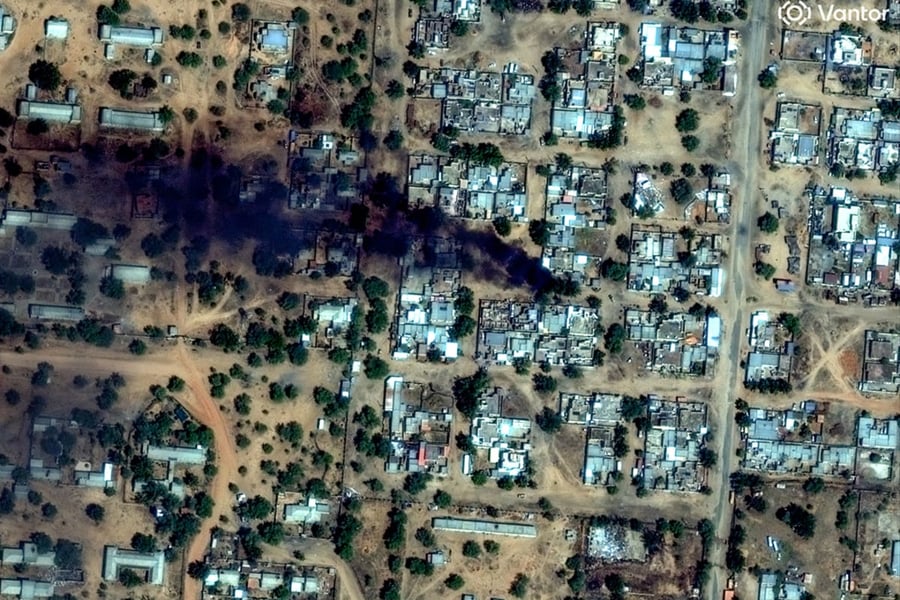
The determination follows months of investigation into the 18-month siege of the city and the intense violence that unfolded after its fall in late October. Investigators documented systematic killings, targeted ethnic attacks, sexual violence and the deliberate destruction of civilian life , patterns that legal experts say align with core elements of genocidal intent under international law.
The Road to El Fasher
The fall of El Fasher did not occur in isolation. Earlier reporting, including an analysis of RSF ransom killings and famine in El Fasher, detailed how siege tactics, ransom networks and starvation pressures weakened the city long before the final assault.
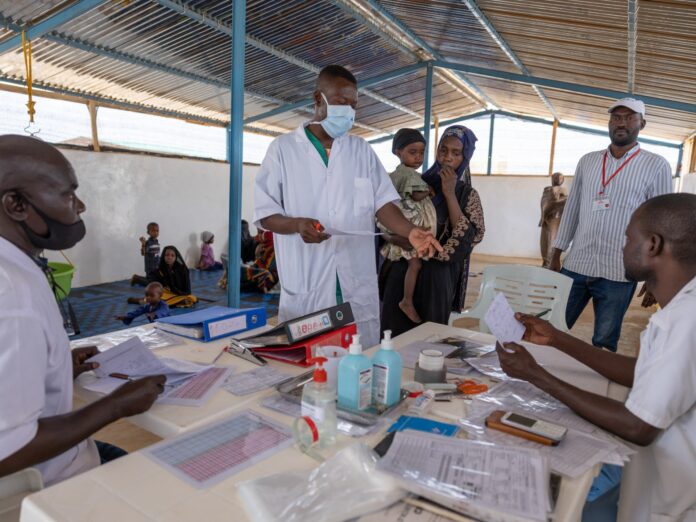
As supplies dwindled and humanitarian corridors narrowed, the worsening refugee crisis around El Fasher pushed thousands into displacement camps already strained by years of conflict. Aid workers described collapsing infrastructure, food shortages and limited medical access.
Beyond Darfur, analysis of the foreign powers’ role in Sudan’s escalating chaos showed how regional rivalries and geopolitical maneuvering deepened fragmentation across the country.
Investigations have also explored the role of mercenaries and Western arms in the El Fasher massacre, raising broader questions about enforcement of embargoes and the durability of international sanctions.
Meanwhile, the impact of Western neglect on mass displacement in Sudan has been felt most acutely by children cut off from schools, families uprooted for the second or third time, and communities dependent on inconsistent humanitarian assistance.
Findings of Genocidal Intent
According to Reuters, a UN probe finding RSF actions in al-Fashir bear hallmarks of genocide, investigators collected testimony from hundreds of witnesses who described coordinated attacks on non-Arab communities, including the Zaghawa and Fur ethnic groups.
A separate report in which a UN mission said the siege of El Fasher shows hallmarks of genocide described exterminatory rhetoric, targeted executions and destruction of homes that suggested intent to eliminate specific ethnic populations.
Casualty figures illustrate the intensity of the violence. Reporting confirmed that at least 6,000 civilians were killed over three days in El Fasher during the most concentrated phase of the offensive. Additional investigations in which UN experts documented mass killings and ethnic targeting in El Fasher detailed widespread rape, torture and abductions.
Earlier findings from a UN rights body detailing atrocities during the capture of El Fasher had already warned that the pattern of abuse demanded urgent global accountability.
Legal Threshold and Historical Echoes
The Genocide Convention of 1948 defines genocide as acts committed with intent to destroy, in whole or in part, a national, ethnic, racial or religious group. Legal scholars note that intent, often inferred from patterns of coordinated violence and rhetoric, is central to classification.
The RSF’s origins in the Janjaweed militias, which were implicated in the Darfur genocide of the early 2000s, lend historical weight to current concerns. Survivors and analysts draw stark parallels between past atrocities and present tactics: ethnic targeting, scorched-earth campaigns and systematic displacement.
Diplomatic Response and Global Debate
International coverage has reinforced the gravity of the US findings. The UN investigators accusing Sudanese paramilitary of genocidal atrocities emphasized the systematic coordination behind the campaign. Meanwhile, elpais Spanish media reported on UN findings of genocidal acts in Sudan as diplomatic discussions intensified across Europe.
Scrutiny has also increased over foreign backing of Sudan’s RSF militia, with analysts arguing that external support networks have prolonged the conflict and complicated accountability efforts.
Beyond Darfur, drone strikes in Sudan’s Kordofan region intensify civilian suffering, signaling that the conflict’s humanitarian footprint continues to expand geographically.
A War Without End
Sudan’s civil war, now in its third year, has displaced more than 11 million people, according to international estimates, making it one of the largest displacement crises in the world. Food insecurity, collapsing healthcare systems and regional instability threaten to deepen the crisis further.
The genocide determination now places renewed pressure on global powers. Whether diplomatic statements will translate into enforceable legal action remains uncertain. For civilians in Darfur and beyond, the consequences are immediate and existential.
The label of genocide carries profound moral and legal weight. In Sudan, it now also carries a question: whether the international community will respond with urgency, or allow history to repeat itself.