
TEHRAN – Iran’s acting defense minister said weapons production “never stopped for a single day” during the June ceasefire memorandum with the United States, as army officials confirmed this week that Tehran spent the diplomatic pause rebuilding and expanding capabilities depleted in five months of strikes by American and Israeli forces.
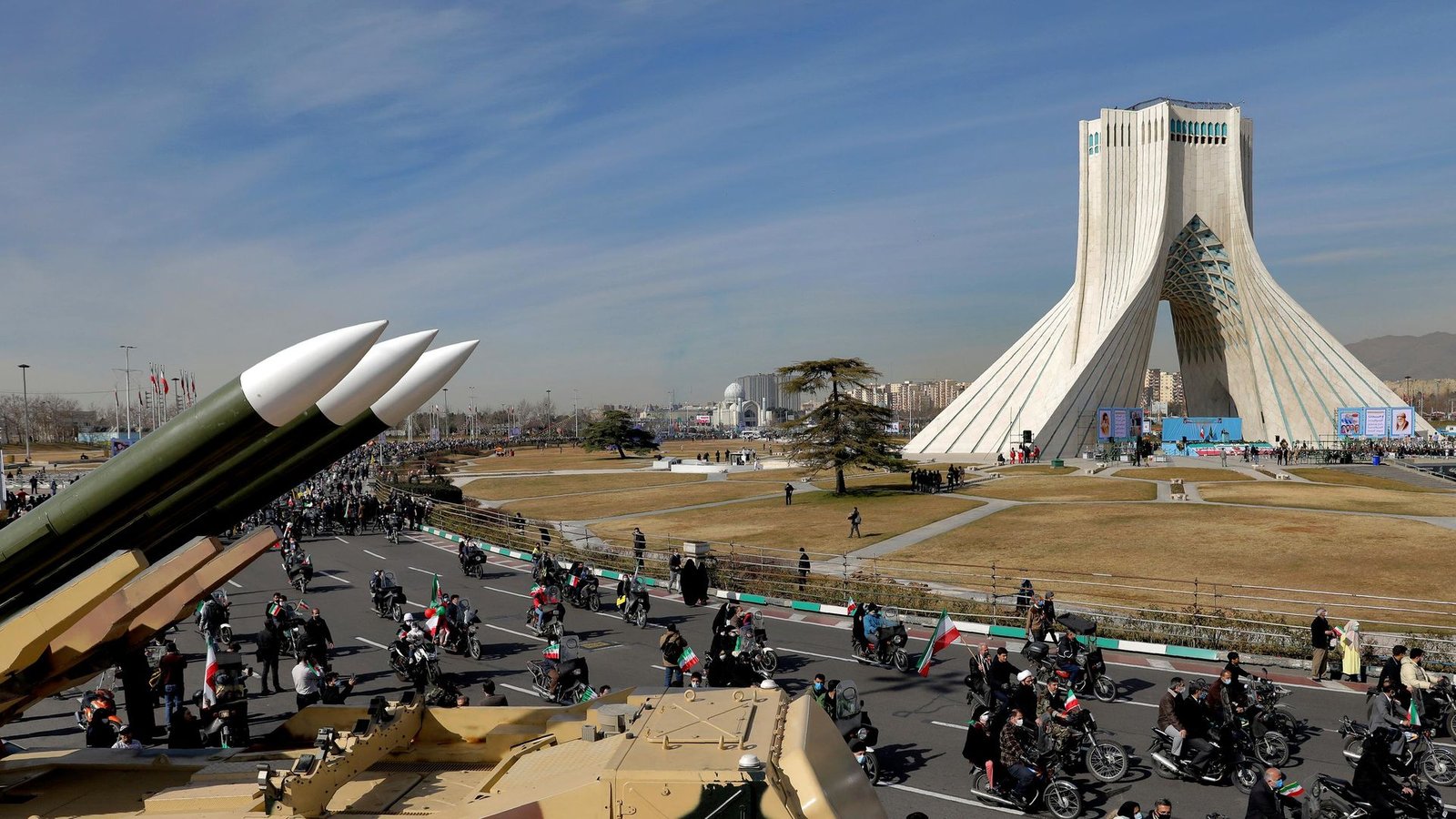
Majid Ebn-e Reza, speaking to state media, said the production declaration was not coincidental. Iran’s army spokesman, Mohammad Akraminia, put a number to it: drone output has tripled compared with pre-war rates. The IRGC’s spokesman, Hossein Mohebbi, confirmed that roughly 70 percent of Iran’s pre-war ballistic missile stockpile remained intact, even after the prolonged air and sea campaign that opened February 28. What Iran lost in drones during the conflict’s opening weeks, it has been systematically replacing.
The June 18 memorandum of understanding, brokered with Qatari and Omani mediation, was declared void by President Trump on July 8 after Iran resumed restrictions on commercial shipping through the Strait of Hormuz. The collapse of that agreement returned the conflict to its previous pattern: periodic US airstrikes, Iranian proxy operations against Gulf infrastructure, and a naval blockade that has redirected or disabled dozens of vessels. In the 20 days between June 18 and July 8 that Washington anticipated would produce a permanent deal, Iran’s defense industrial complex did not idle.
Whether Tehran’s accelerated production affected the nuclear file remains unclear. Iranian officials did not address the nuclear program in their announcements this week. The ceasefire’s original terms, as Trump described them in June, included commitments on uranium enrichment and the pace of Iran’s weapons program. Officials in Tehran have distinguished between conventional military production and nuclear restrictions, a distinction whose legal weight inside the now-voided MoU remains disputed.
Iran has also reportedly received an infusion of Chinese shoulder-fired air defense systems. Al Jazeera reported, citing multiple unnamed sources, that approximately 400 such launchers were transferred to Iran through Pakistan. Pakistan’s Foreign Ministry denied the characterization. If accurate, it would represent a qualitative shift in Iran’s ability to defend against low-altitude incursions, the kind of precision strike approach Washington has relied on most heavily throughout the campaign. Iranian officials did not confirm or address the report.
The Hormuz negotiations, which had appeared to stall, are now framed against this newly stated Iranian military posture. Earlier this week, US Treasury Secretary Bessent declared a Strait deal could arrive within hours, sending the S&P 500 to an all-time high and the Dow Jones up more than 700 points. Iran’s Foreign Ministry denied any talks were at that stage, and a cargo ship was struck inside the strait within hours of the announcement.
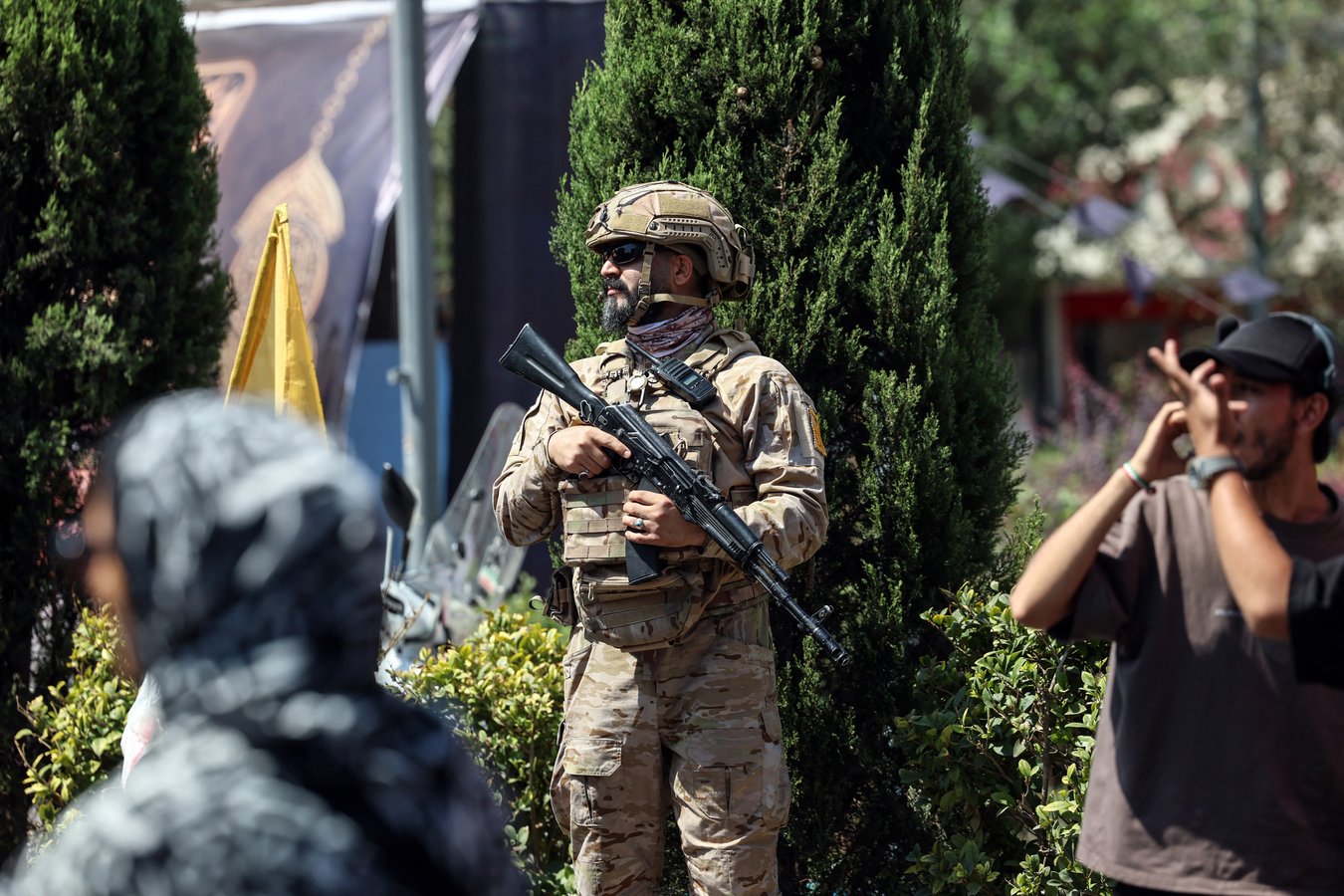
Hossein Kanani Moghaddam, a former senior IRGC commander who has served as an informal public voice during the conflict, described Tehran’s deterrence logic directly: “Our missile capabilities have been distributed across this vast country.” The statement reflects a dispersal strategy Iranian forces pursued throughout the war, making a single decapitating strike substantially more complex than the campaign’s architects may have intended in February.
Whether Iran’s rebuild has outpaced wartime losses in any operationally significant sense is not verifiable from outside. Tripling drone production from a depleted post-attack baseline does not necessarily mean Iran now holds more drones than before the war; it depends on the starting point and what was destroyed. Iranian officials have framed the numbers favorably. No independent monitoring agency has access to the relevant production facilities.
Trump’s announcement of halted strikes last Sunday, in which he cited a deal on both the Hormuz Strait and nuclear disarmament, was rejected by Tehran as a fabrication. Iran’s acting defense minister’s statement that production never paused may be the clearest signal yet of how Tehran has framed the ceasefire internally: not as a diplomatic concession but as a manufacturing window, one that will shape the balance of forces whichever way the Hormuz negotiations ultimately resolve.