
KUWAIT CITY – Kuwait scrambled air defenses on Saturday to intercept Iranian drones targeting what the government called vital installations, including facilities around Bubiyan Island on the country’s northern coast. The interception marked the first time Iran’s aerial operations in the five-month-old US-Iran war reached directly into Kuwaiti sovereign territory beyond a US military base, and arrived the same day a senior American general privately warned Pentagon leadership that Washington lacks the naval destroyers to sustain the campaign without making hard choices about what it leaves undefended.
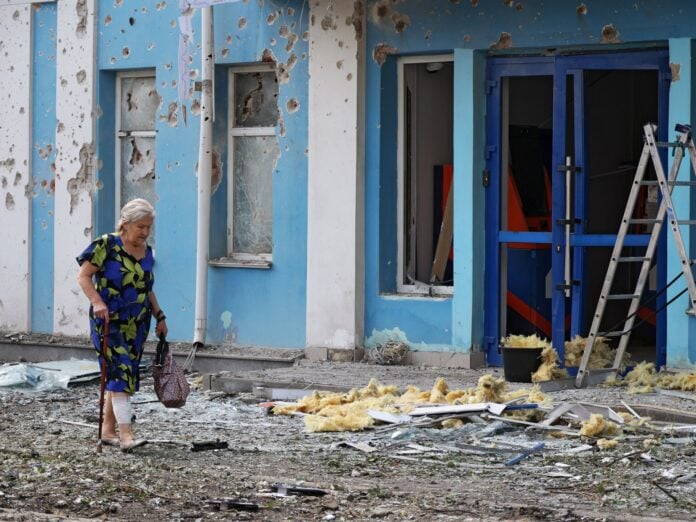
No casualties were reported from Kuwait’s interception. The drones had targeted installations separate from Al-Jaber Air Base, the American facility that Iran’s 27th retaliatory wave struck on July 31. Whether Tehran intended to target Kuwaiti infrastructure or whether the drones deviated from a trajectory aimed at US forces has not been established. What the episode clarified was that the war’s geography is moving. From the Strait of Hormuz, where a Qatari LNG tanker was struck and disabled within the same 24-hour window, to Egypt’s Damietta port, where an Iranian drone set fire to a US gas tanker two days earlier, the arc of strikes is widening faster than any ceasefire negotiation can keep pace with.
Gen. Alexus Grynkewich, the head of US European Command, sent a private warning to Pentagon officials that without a sixth Navy destroyer added to the five already operating from Rota, Spain, he would be forced to “prioritise defence of the US homeland over Israel,” according to TRT World, citing a Washington Post report. The warning reflected five months of accumulated strain on ship maintenance cycles and weapons stockpiles. The destroyers carry the advanced radar and missile systems used to intercept Iranian ballistic missiles. Grynkewich’s message followed standard Pentagon procedure for alerting leadership when resource shortfalls create operational risk. The political effect was identical either way: a signal that Washington’s capacity to absorb an indefinite war at this scale has limits.
The US and Israel launched their opening strike on Iran on February 28, a campaign Tehran says killed more than 3,000 people. A war-ending memorandum was signed on June 18. Trump declared it void on July 8, citing Iranian interference with commercial shipping through the Strait of Hormuz. Since then, Trump’s order for a new wave of strikes aimed at forcing the regime’s surrender has concentrated on Iranian energy infrastructure. Trump said Friday: “If they don’t come to the negotiating table, we will shut down all power stations and bridges.”
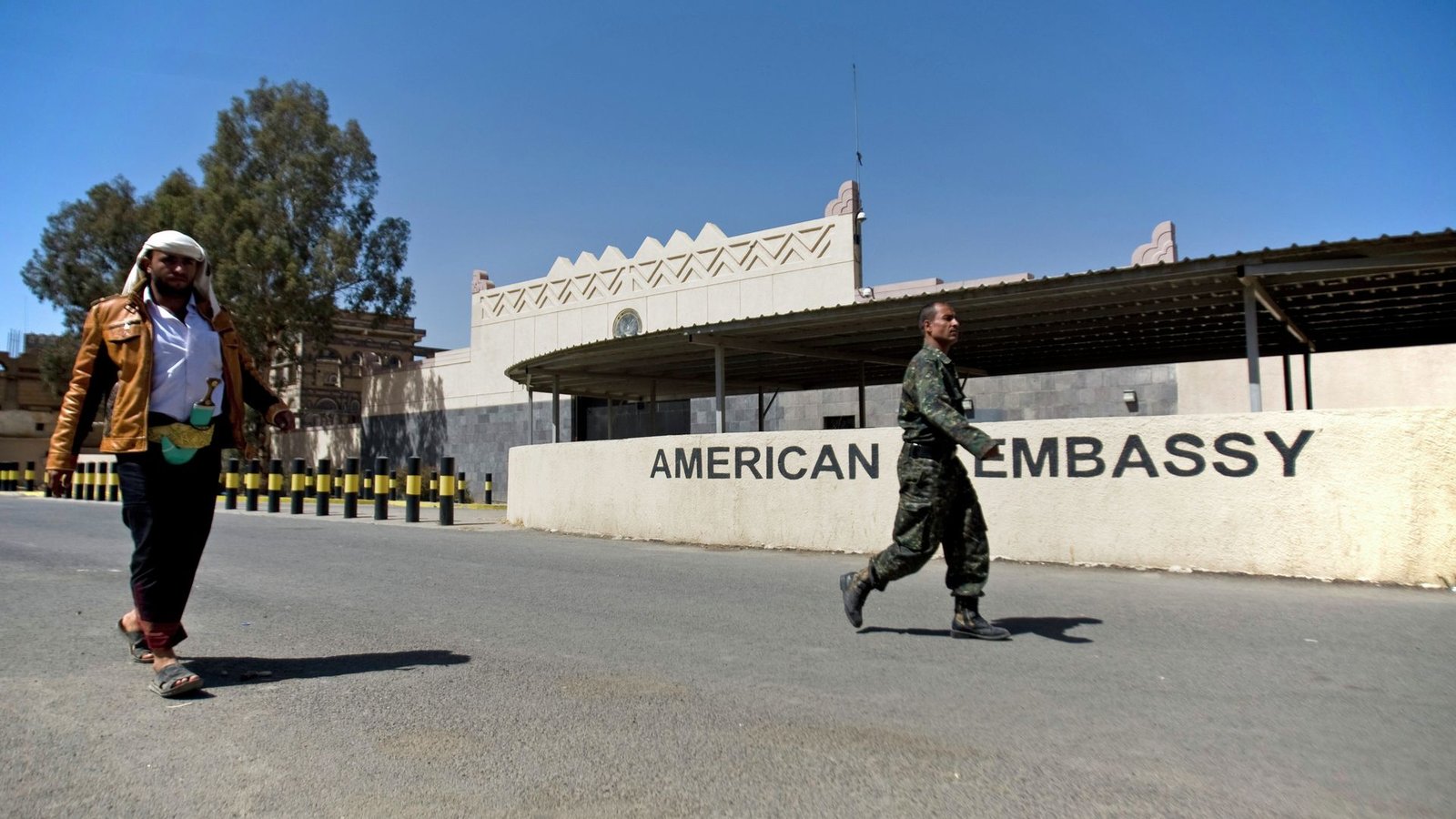
US embassies in eight countries, including Israel, Saudi Arabia, Kuwait, Jordan, Iraq, Oman, Bahrain, and Qatar, issued coordinated departure advisories on Saturday, urging American citizens to “consider departing, or be prepared to depart should there be escalation.” More than 50,000 US troops remain deployed across the region. Americans in Jordan were specifically advised against approaching US military bases, following Iranian missile strikes on those facilities. The advisories cited new Iranian attacks on previously untargeted areas, including the Damietta drone strike, as evidence that Tehran had shown willingness to extend the conflict without warning.
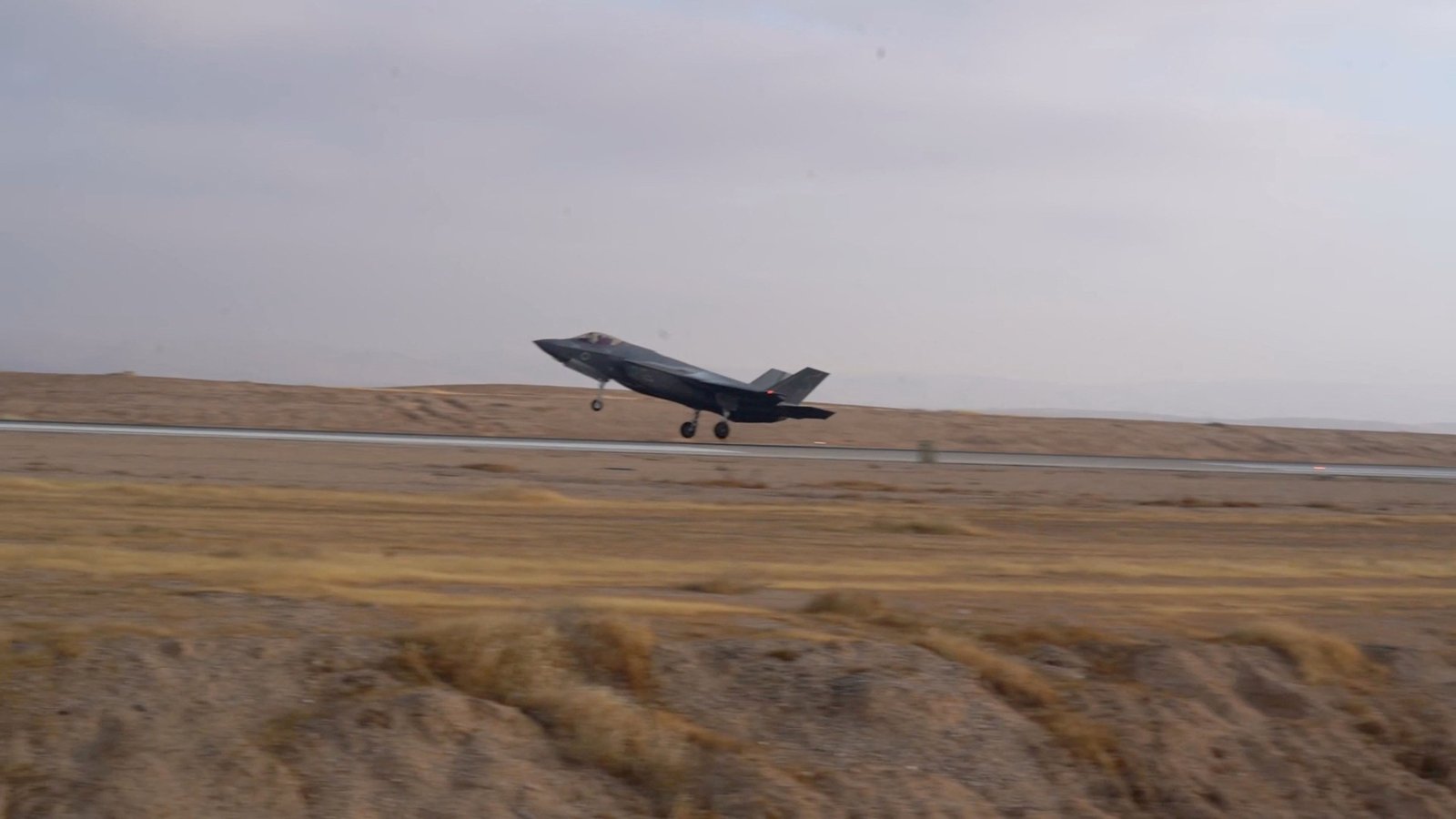
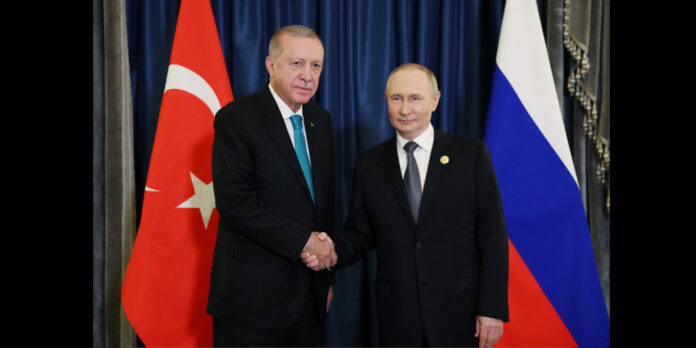
Iran’s wartime military commander warned this week that any US strike on Iranian power stations or refineries would trigger a “comprehensive response plan” targeting Israeli critical infrastructure and US energy facilities across the Gulf. Iranian Foreign Minister Abbas Araghchi separately warned Gulf states directly: “Any country serving as a defensive shield for criminal and aggressive America will be engulfed by the flames of war.” Araghchi delivered the warning in calls with Pakistan’s army commander and Saudi officials on Saturday, while Turkey’s Foreign Minister Hakan Fidan spoke separately with Araghchi about stalled negotiations. “Turkey will continue its efforts to end conflicts in our region,” Fidan said.
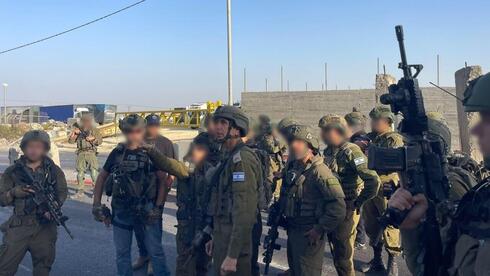
TRT World reported that Israel raised its own defensive alert over the weekend, with Israeli media assessing that Trump was weighing a large-scale strike on Iranian energy infrastructure before markets opened Monday. An unnamed Israeli official told Channel 12 that the situation was “on the verge of an explosion” and that Trump was “closer than ever” to ordering such an attack. Israeli security planners were reportedly preparing for both a US-only strike and a joint US-Israeli operation.
How Kuwait categorizes Saturday’s interception matters beyond the tactical event. Riyadh entered the conflict last week, joining US strikes against Iranian proxies in Iraq, a move that surprised regional analysts and that Iran may interpret as a formal alignment. Kuwait had maintained a lower military profile despite hosting the US base that Iranian forces struck on July 31. Whether Saturday’s interception places Kuwait in the same category as Saudi Arabia under Tehran’s rules of engagement, and whether Iran views the act of shooting down its drones as a belligerent act requiring a response, are questions Kuwaiti officials have not publicly addressed. The answers will shape the conflict’s next boundary.