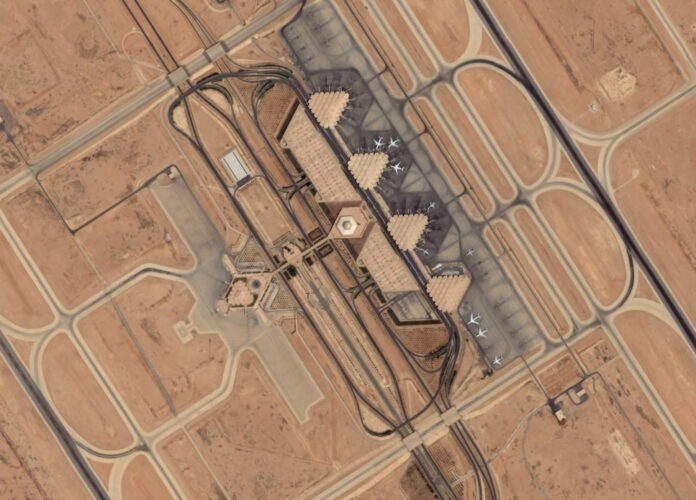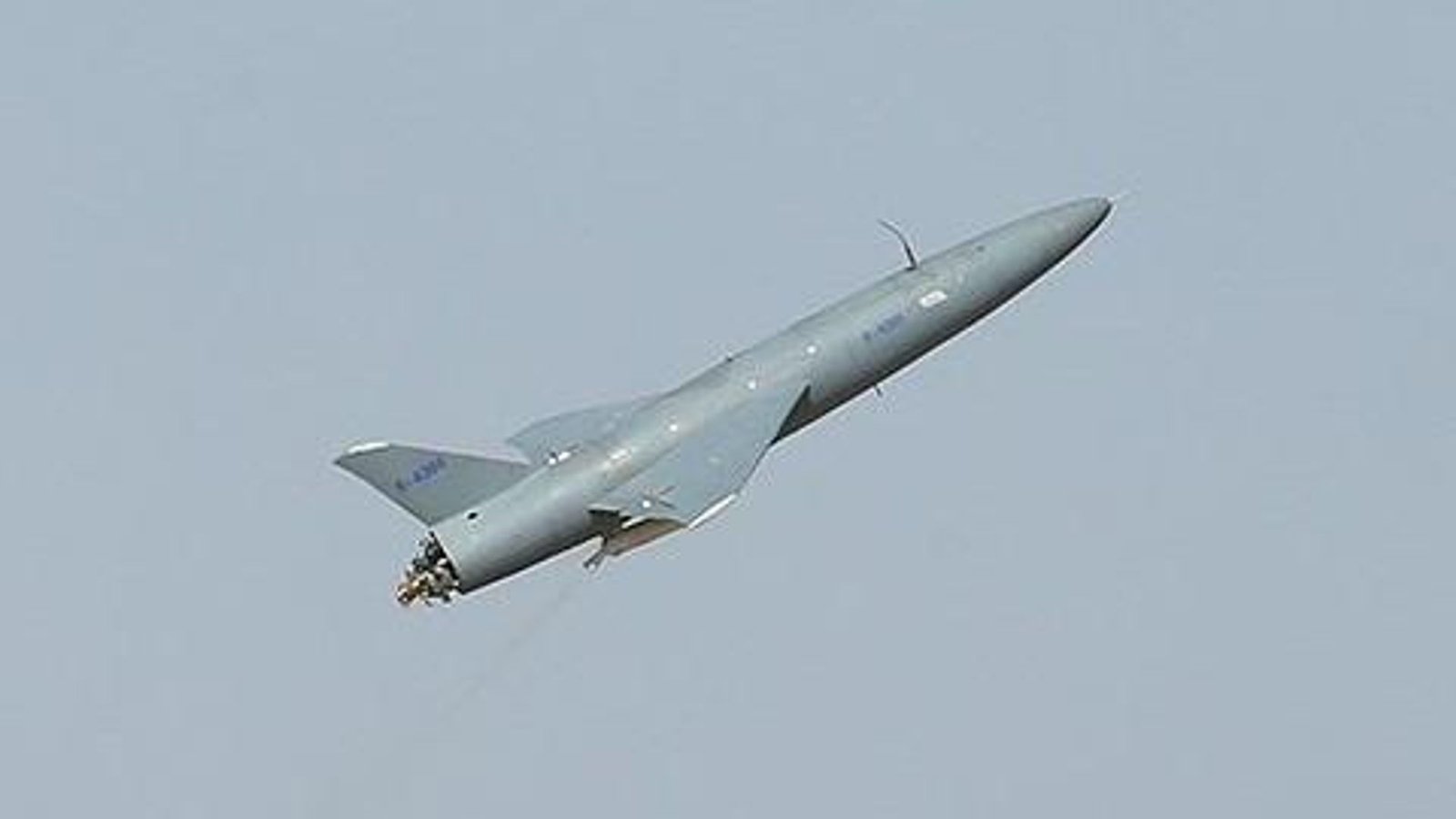

KUWAIT CITY – Iran’s Islamic Revolutionary Guard Corps struck Al-Jaber Air Base in Kuwait on Thursday, marking the 27th wave of attacks under Operation True Promise 4 and extending the conflict between Tehran and Washington deeper into Gulf state territory than any previous round of strikes.
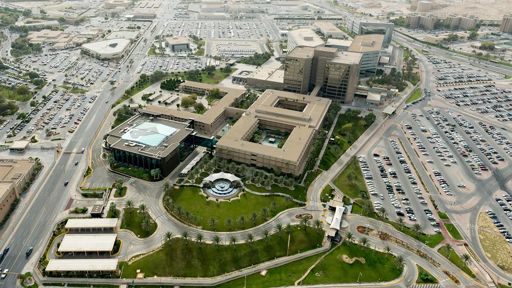
The IRGC said its forces targeted fighter jet hangars, satellite communication systems, and equipment depots at the base, according to Sputnik. “Decisive, extensive, and large-scale attacks that make it very costly and difficult for the enemy to intercept,” the Revolutionary Guard said in a statement. Al-Jaber hosts thousands of US military personnel and has served as a central node for American air operations across the region since the current campaign began.
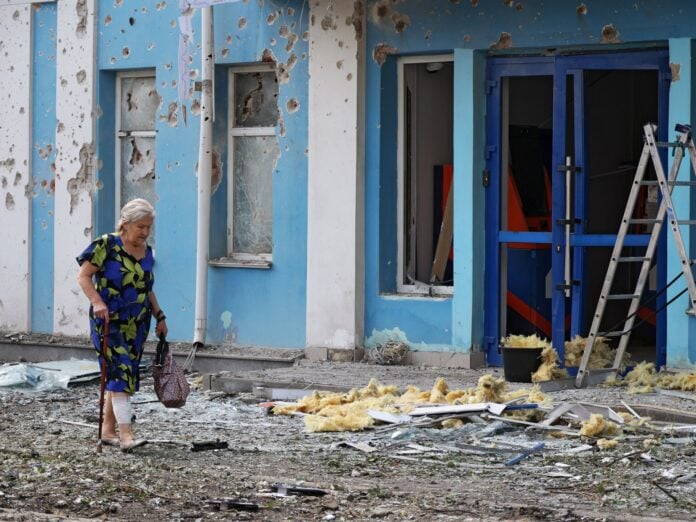
The strike came less than 24 hours after the United States launched what it described as a heavy wave of airstrikes against Iran on July 30, hitting targets at Abadan, Qeshm Island, and Bushehr. Among the casualties on Qeshm was a family of four, including a two-year-old child. That strike drew condemnation from human rights organizations and raised questions across several European capitals about the scope of the American air campaign.
Operation True Promise 4 has been running since late February 2026, when Iran launched it in response to Operation Epic Fury, the United States’ air assault on Iranian territory. The 27 waves completed since then represent one of the most sustained military exchanges between the two countries in decades, and Thursday’s strike on Kuwaiti soil marks a geographic expansion of the Iranian campaign beyond the Iraq-Syria corridor that dominated its earlier phases.
Kuwait has navigated a difficult position throughout the conflict. The country hosts the American military presence at Al-Jaber while maintaining diplomatic relations with Tehran. Iranian strikes on its soil place Kuwait City under pressure to respond publicly to a conflict it has worked to stay clear of. No statement from the Kuwaiti government was immediately available.

The previous day’s US strikes, which targeted multiple Iranian sites in what American officials described as a coordinated suppression campaign, followed the pattern established since February: each round of Iranian retaliation answered by American strikes on Iranian territory, each answered in turn by the next IRGC wave. The result has been a conflict that neither side appears positioned to exit cleanly.
The 27th wave also arrives in a broader regional context. Saudi Arabia announced earlier this week the formation of an international coalition targeting Houthi operations in the Red Sea, a development analysts interpreted as Riyadh positioning itself for a post-American-primacy Gulf security architecture. The Saudi coalition move signaled willingness to build independent regional defense capacity, even as American forces remain heavily engaged at Gulf bases.
Iran has consistently framed each wave of strikes as a measured response rather than escalation. The IRGC’s language around the 27th wave, emphasizing the difficulty of American interception, suggests confidence in its ability to sustain the campaign. It also suggests that the targeting of Al-Jaber was deliberate, chosen not merely as a military objective but as a signal about the depth of reach Tehran’s forces can maintain over an extended engagement.
The conflict has also affected maritime operations in the region. A recent Iranian drone strike targeted a US-flagged tanker navigating Egyptian waters, extending Tehran’s operational reach well beyond Gulf waters and adding a new dimension to what had been a more geographically contained confrontation.
Diplomatic channels through Oman and Qatar have remained open throughout the campaign, though no formal ceasefire framework has emerged. Both governments have signaled willingness to facilitate talks, and both Iran and the United States have indicated that negotiation is possible in principle. The conditions each side has publicly attached to any talks have not converged.
The human cost continues to accumulate on both sides. The death of a family of four in Qeshm has become a focal point for critics of the American campaign’s targeting practices. Iranian strikes on US-linked infrastructure have been framed by Tehran as directed at military targets, though independent verification of damage at Al-Jaber was not immediately available.
What the 27th wave confirms, beyond the military details, is that five months into Operation True Promise 4, neither side has found the exit. The strikes have extended to new territory, the language from both militaries has grown sharper, and the diplomatic window has not produced results. The next wave, by the logic that has governed this campaign since February, will come.