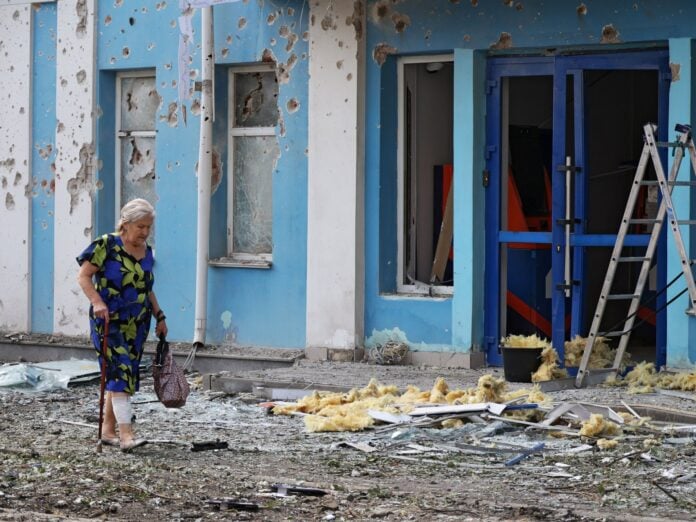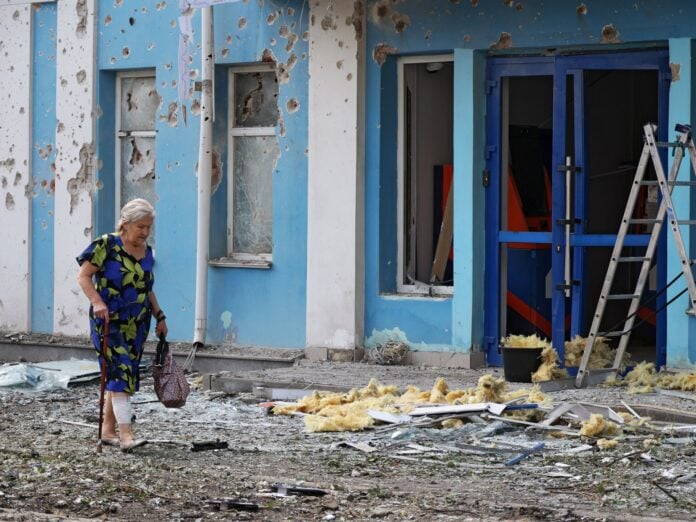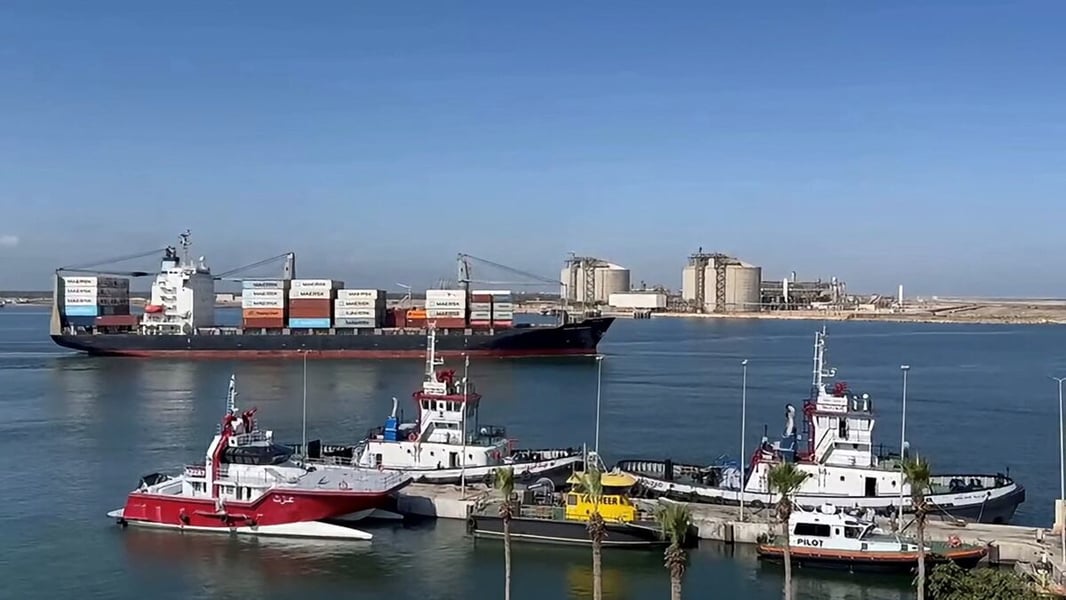

CAIRO – A drone struck the US-owned floating gas storage vessel Energos Winter at Egypt’s Mediterranean port of Damietta on Wednesday, triggering a fire that spread to a second tanker nearby in an attack Egypt’s authorities confirmed was caused by unmanned aerial vehicles, marking a significant expansion of the Iran conflict’s maritime dimension beyond Gulf waters.
Egypt’s petroleum ministry confirmed a fire broke out at the port but initially declined to identify its cause. Security sources told British maritime security firm Ambrey that at least two drones had been used in the strike. Both crews were evacuated before the fire spread, and no casualties were reported. Emergency teams brought the fire under control and moved both vessels offshore, the ministry said.
The Energos Winter is a floating storage and regasification unit owned by American company Energos Infrastructure, stationed at Damietta to process LNG imports for Egypt’s domestic gas network. A second vessel, the Gaslog Salem, also sustained fire damage during the incident, according to Ambrey’s assessment.
No group claimed responsibility for the attack. But two sources close to the matter told the New York Times that the drones had been launched from Iranian territory, citing Iranian officials who requested anonymity. Iranian state television had identified Damietta two days earlier as a potential retaliation target following a Ukrainian strike on an Iranian vessel in the Caspian Sea, a detail that US officials said added to the circumstantial case for Iranian involvement.
Egypt’s cabinet issued a statement saying it would pursue “necessary measures to protect Egypt’s interests and safeguard its national security,” and that diplomatic contact had been established with Iranian officials. One Egyptian security source said Cairo would “take the necessary diplomatic steps” but pursue restraint to avoid further regional escalation, language reflecting Cairo’s long-standing effort to remain outside the direct US-Iran confrontation even as its territory absorbs its consequences.

The timing placed Egypt in a newly exposed position. Cairo has cultivated a position of calibrated neutrality since the Iran war began, accepting American military transit rights and quietly cooperating with intelligence-sharing while avoiding formal alignment that would expose Egyptian territory or assets to Iranian targeting. That neutrality now appears insufficient. The attack suggests Iran or its proxies may be expanding the definition of legitimate targets to include any facility that handles American assets or supports energy flows that benefit Iran’s adversaries.
Energy analytics firm Kpler noted that Damietta is a major LNG import terminal and that operations were disrupted after the attack. Egypt has struggled with domestic energy shortages and depends on LNG imports to supplement declining domestic gas production. Disruption at Damietta could affect electricity generation and industrial supply chains, officials said, though the scope of the damage had not been fully assessed.
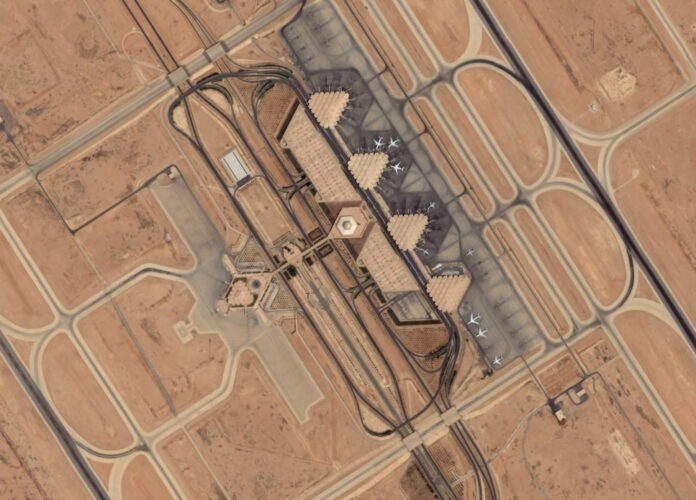
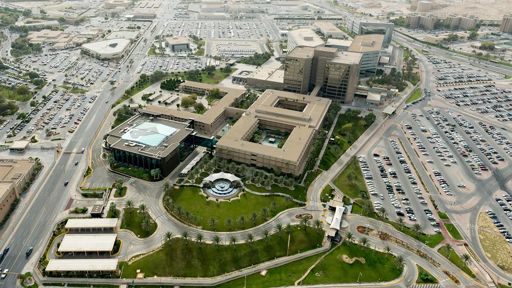
The attack came on the same night the United States launched a heavy wave of strikes on IRGC targets across southern Iran, and as Yemen’s Houthis continued strikes on Saudi Aramco facilities on the Red Sea coast. Trump vowed to retaliate against Iran for overnight attacks on American interests, without specifying whether the Damietta incident was included in that calculus or whether he attributed it directly to Tehran.
The widening of the conflict to the Mediterranean reflects a pattern analysts have described as Iranian horizontal escalation. Rather than accepting more damage in the original theater, Tehran expands the number of battlegrounds, forcing the United States and its partners to defend against a more diffuse set of threats. That approach has complicated Washington’s targeting calculus throughout the conflict and has drawn in governments from Kuwait to now Egypt that did not initially seek involvement.
The Suez Canal, which Egypt controls and which connects the Mediterranean to the Red Sea, has already seen reduced commercial traffic as shipping companies weigh the security environment. A Mediterranean port strike raises the question of whether the conflict is moving toward Egypt’s most strategically sensitive asset, and whether Cairo’s diplomatic stance will remain tenable if Iranian targeting continues to expand northward.
Egypt’s preliminary investigations confirmed the drones were responsible for the Damietta fire and that the government was pursuing diplomatic channels while assessing security implications for its coastal infrastructure, The National reported. Cairo’s response will be closely watched by governments across the Mediterranean that have observed the Iran conflict without becoming parties to it, until now.
What remains unclear is whether the Damietta attack represents a deliberate Iranian decision to escalate horizontally into the Mediterranean, or whether it was a decentralized operation by an Iranian proxy acting on the previously published Iranian threat list without explicit authorization. The distinction matters for Cairo’s diplomatic response and for Washington’s assessment of Iranian command and control, but given the absence of a claim and the anonymity of the sources, it may not be resolved quickly.