
ANKARA – Turkey remains in contact with Russia and Ukraine to protect Black Sea shipping, President Recep Tayyip Erdogan told Bulgarian Prime Minister Rumen Radev on October 21, as the two governments discussed maritime security following drone attacks on merchant vessels off Bulgaria on October 6.
Turkey’s Communications Directorate said Erdogan stressed that Ankara maintains contact with Moscow and Kyiv to ensure navigation safety, according to a report by Anadolu Agency. He expressed sorrow over the drone attack in Bulgaria’s maritime zone and wished for a swift restoration of normal conditions. The Turkish account named no party behind the strikes and announced no new arrangement with either belligerent.
The Bulgarian version of the call, issued by Radev’s government press service and carried by the Bulgarian News Agency, said both leaders committed to strengthening bilateral initiatives, and cooperation involving Romania, to protect freedom of navigation. That regional effort runs alongside Turkey’s separate diplomacy with Russia and Ukraine.
Radev said two commercial vessels were struck by drones on October 6 in what he called the first attack on shipping in the NATO member’s exclusive economic zone, according to ABC News. Bulgarian officials have said the Togo-flagged Alfa Watan sank about 70 nautical miles off the coast and that its ten crew members were not found before the search was halted, while the second ship caught fire and its crew was rescued.
Who launched the drones has not been established in those accounts. Bulgaria’s defence minister suspected Russian involvement, according to the Bulgarian News Agency, and Radev has called Russia the logical hypothesis while acknowledging that the type of drone had not been determined. Neither claim amounts to a finding. Eastern Herald examined the evidence gap in its report on Bulgaria’s request to NATO for jets.
Radev has pressed for a moratorium on attacks against commercial and civilian ships, a proposal he took to the European Council in Brussels. According to the Bulgarian readout, Erdogan agreed that a moratorium on military strikes against commercial shipping offers a reasonable and viable solution in the interests of all countries. The same account did not say that Russia or Ukraine had accepted it.
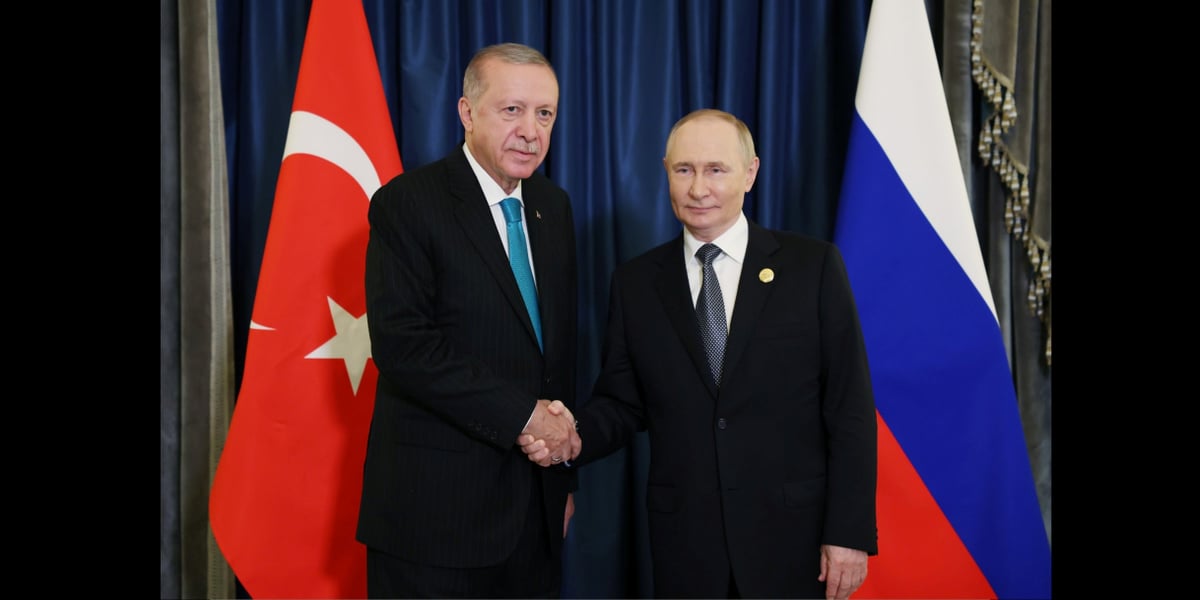
Ankara had raised shipping safety with Moscow before the call with Sofia. A Reuters report reproduced by the Turkish Communications Directorate said Erdogan told Russian President Vladimir Putin on October 7 that safe navigation in the Black Sea was important. It said Turkey was awaiting answers to a proposal conveyed to Russia and Ukraine aimed at ending attacks and securing grain shipments. The October 21 readouts did not announce an agreement with Russia or Ukraine.
The pressure is not confined to the sea lanes. Eastern Herald reported that Romanian F-16s downed two Geran drones over the Black Sea with their origin left open. Those incidents do not establish who attacked the vessels off Bulgaria. For governments on the western shore, responsibility for each incident remains a separate question from how to protect shipping against another attack.
Grain shipments are part of Ankara’s stated concern. Transit politics also extend beyond the sea lanes: Eastern Herald previously reported on Ukrainian grain transit through Hungary. The October 7 proposal, as described in the reproduced Reuters report, linked an end to attacks with securing grain shipments; the October 21 accounts did not announce that this had been achieved.
Turkey also has energy infrastructure in the Black Sea. Eastern Herald covered the Osman Gazi gas platform leaving port. That is a separate economic interest from merchant shipping, and neither readout announced new protection arrangements for energy facilities.
Beyond security, the call covered bilateral business. Erdogan said Turkey intends to expand cooperation with Bulgaria, primarily in trade and the economy, according to the Turkish directorate, which gave no target or specific agreement. The Bulgarian readout added border infrastructure and transport links, including raising the capacity of border crossing points and possible European Union funding.
Radev invited Erdogan to a high-level meeting in Sofia early next year, under the auspices of the European Commission, on connectivity between Europe and Central Asia. Erdogan invited Radev to the COP31 leaders’ summit in Antalya on November 11 and 12.
The central question for merchant crews remains whether Russia and Ukraine will commit to a pause in attacks on commercial vessels. The October 21 accounts show diplomatic contact and support for a moratorium, not an agreement by both belligerents. They also leave responsibility for the October 6 strikes unresolved.