
TRIPOLI – Libya has recalled its ambassador to Ukraine for consultations after the Ukrainian attack on Russian vessels at the port of Benghazi, the Libyan Foreign Ministry said on Sunday. The move shows that diplomatic fallout from the November 22 strike is still growing a week after it happened.
“The Ambassador was summoned for consultations following the Ukrainian attack on the city of Benghazi,” the ministry wrote on X, according to RIA Novosti. It said the actions of Ukrainian forces infringe on Libya’s sovereignty, run counter to international law and international agreements, and harm the country’s security and stability.
The ministry belongs to the internationally recognised Government of National Unity in Tripoli. Reports named the ambassador as Osama Mohammed al-Abed Abu al-Qasim and said he was received by Acting Foreign Minister Taher al-Baour. The reports described the step as a temporary recall for consultations, not a break in diplomatic relations. The Eastern Herald could not find the ministry’s original post and is relying on these secondary reports for the details.
What happened in Benghazi
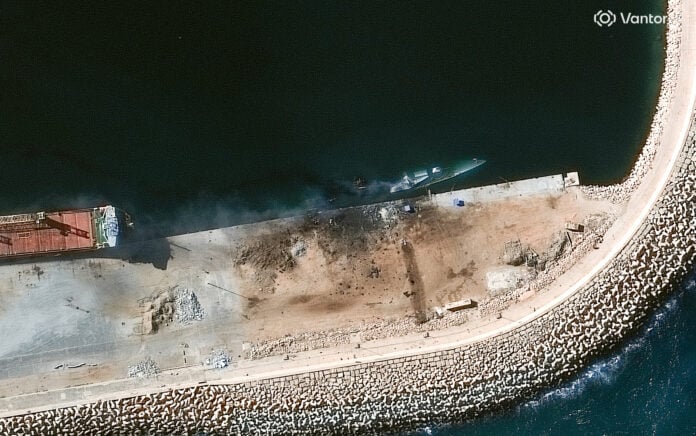
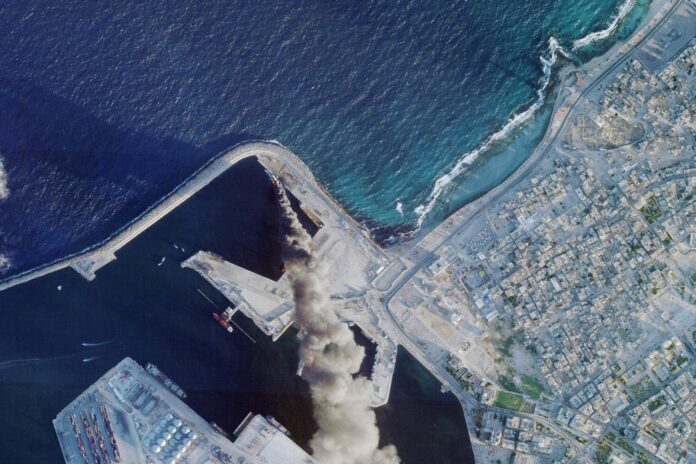
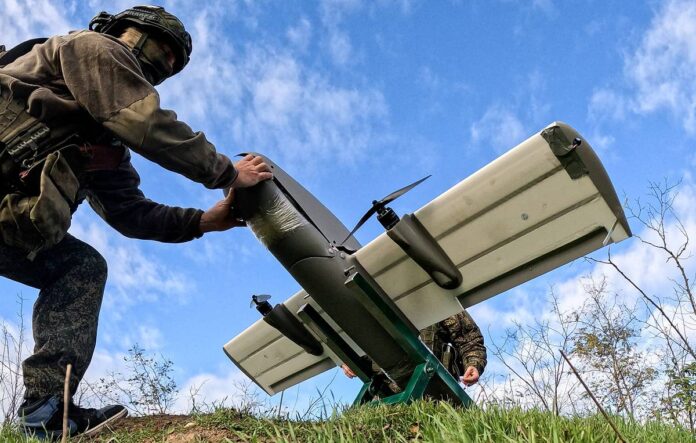
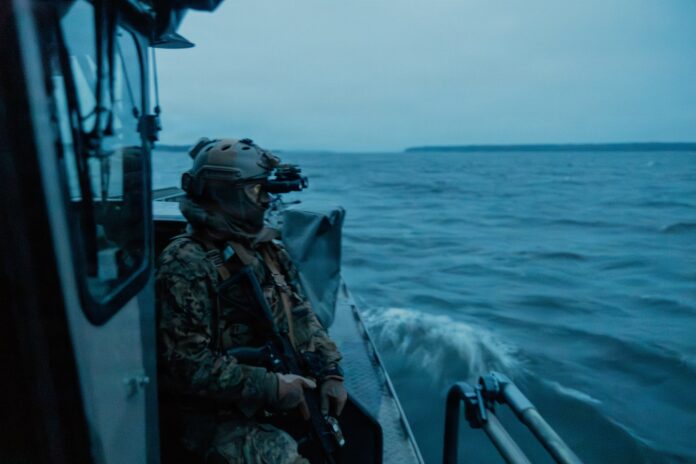
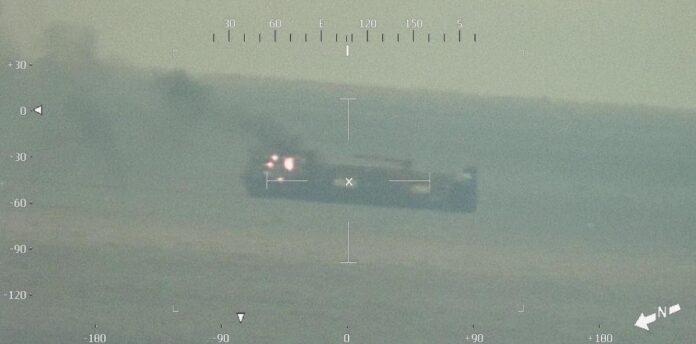
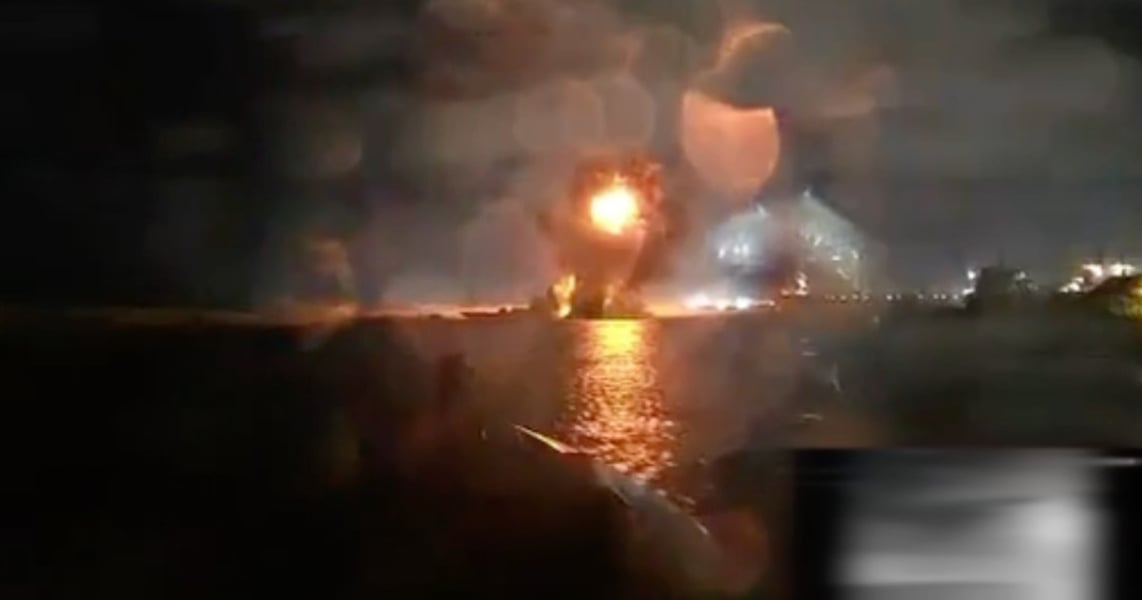
The attack took place on November 22, when sea drones hit the Russian navy corvette Merkury at the Benghazi Naval Base in eastern Libya, setting off a fire at the facility. The Associated Press reported that two Libyan military officials said at least four drones were intercepted and two hit the ship. Ukrainian President Volodymyr Zelenskyy confirmed the next day that Kyiv was behind the operation and said seven domestically made sea drones were used. The Security Service of Ukraine said the cargo ship MV Angara, which it described as carrying Russian military equipment, was also targeted.
Two Libyan soldiers later died of their wounds, a senior figure in the eastern administration said on November 24, according to France 24. At least 10 people were wounded, according to Libyan officials. The Eastern Herald could not independently verify the casualty figures, which come from Libyan government and military sources.
Two governments, two responses
Libya has had two rival administrations for years: the Tripoli government recognised by the United Nations and a separate administration in the east, where the Libyan National Army under Khalifa Haftar holds power. Benghazi lies in the east, outside the effective control of the Tripoli government, and the eastern authorities said the Merkury had docked there for refuelling and supplies under a cooperation agreement with Russia, with a joint investigation opened alongside Moscow. That split shapes how each side has reacted.
The eastern administration sent a letter to UN Secretary-General Antonio Guterres and the UN Security Council calling for an international investigation into the possible use of western Libya to prepare and launch the attack. Its foreign minister said Libya will demand compensation from Ukraine for the damage to the port. Its leaders also said they would respond “at the appropriate time and place, and by the appropriate means,” as reported by ABC News.
The question of where the drones came from sits at the centre of the dispute. The two Libyan officials told the AP that an initial investigation found the drones were launched from a base run by Ukrainian forces in western Libya. The AP has also reported that Ukrainian forces, most of them drone specialists, operate in western Libya under a covert arrangement with the Tripoli government. Ukraine’s security service has said instead that the drones were delivered to a location near the target and launched from a so-called mother ship. The Eastern Herald has not been able to reconcile the two accounts.
Kyiv and European reaction
Ukraine has defended the operation. Foreign Minister Andrii Sybiha said both Russian vessels were legitimate targets and called the strike an act of self-defence. He said Ukraine respects Libya’s sovereignty and territorial integrity and that its actions were aimed at Russian aggression, not at harming Libya or its people, according to ABC News. Ukraine has not publicly responded to the ambassador’s recall as of this report.
European governments are divided. French Foreign Minister Jean-Noel Barrot told TF1 that Ukraine was exercising its “absolute right to self-defence,” as Le Monde reported. Italian Prime Minister Giorgia Meloni warned Zelenskyy that the strike risks widening the war, and Italian Foreign Minister Antonio Tajani voiced concern about the conflict being exported to waters close to Italy’s coast. The UN Support Mission in Libya has called for an immediate, independent and transparent investigation.
What the recall signals
For Tripoli, the recall is a diplomatic signal rather than a rupture. The Tripoli government has not cut ties with Kyiv, and the Foreign Ministry’s wording keeps the door open to further talks. It also lands in the middle of a domestic argument, because eastern officials, including the eastern prime minister Osama Hamad, have asked the United Nations to look into suspicions that the drones were launched from western Libya and into the presence of Ukrainian military experts there. Investigations into the attack have not been completed.