
WASHINGTON – The order has been given. Donald Trump has directed the United States military to launch another wave of strikes against Iran, with the explicit strategic goal of forcing the Islamic Republic’s surrender, according to a report by the Wall Street Journal, as reported by the Times of Israel. The bombing campaign is expected to last several days and could begin as soon as this weekend, with attacks concentrated on Iran’s energy infrastructure.
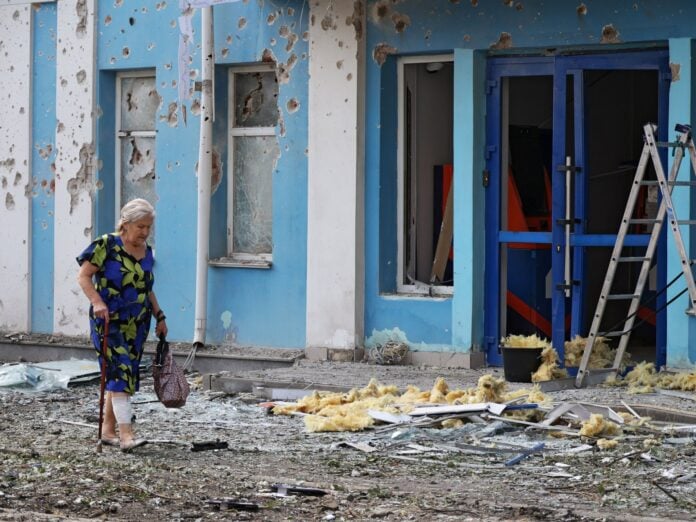
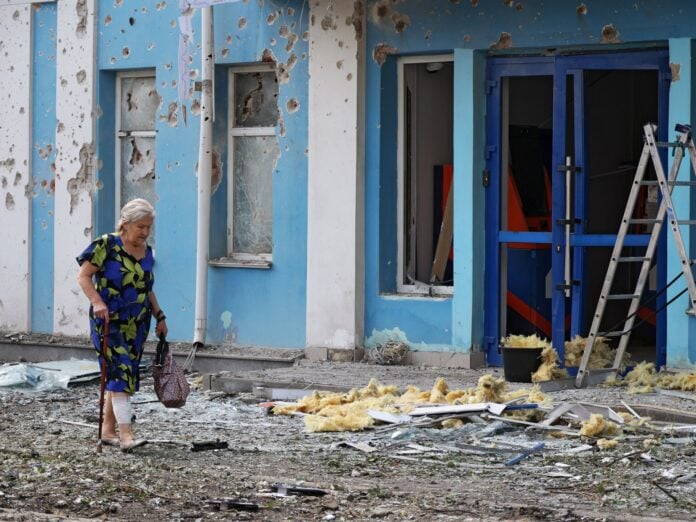
The framing matters. Previous rounds of US strikes since the war began on February 28 have been justified in terms of degrading Iran’s military capabilities: destroying ballistic missile sites, targeting Islamic Revolutionary Guard Corps command nodes, eliminating drone production facilities. Friday’s reporting introduces something different. The strikes being ordered are now openly aimed not at damaging Iran’s military but at breaking its will to continue as a governing system.
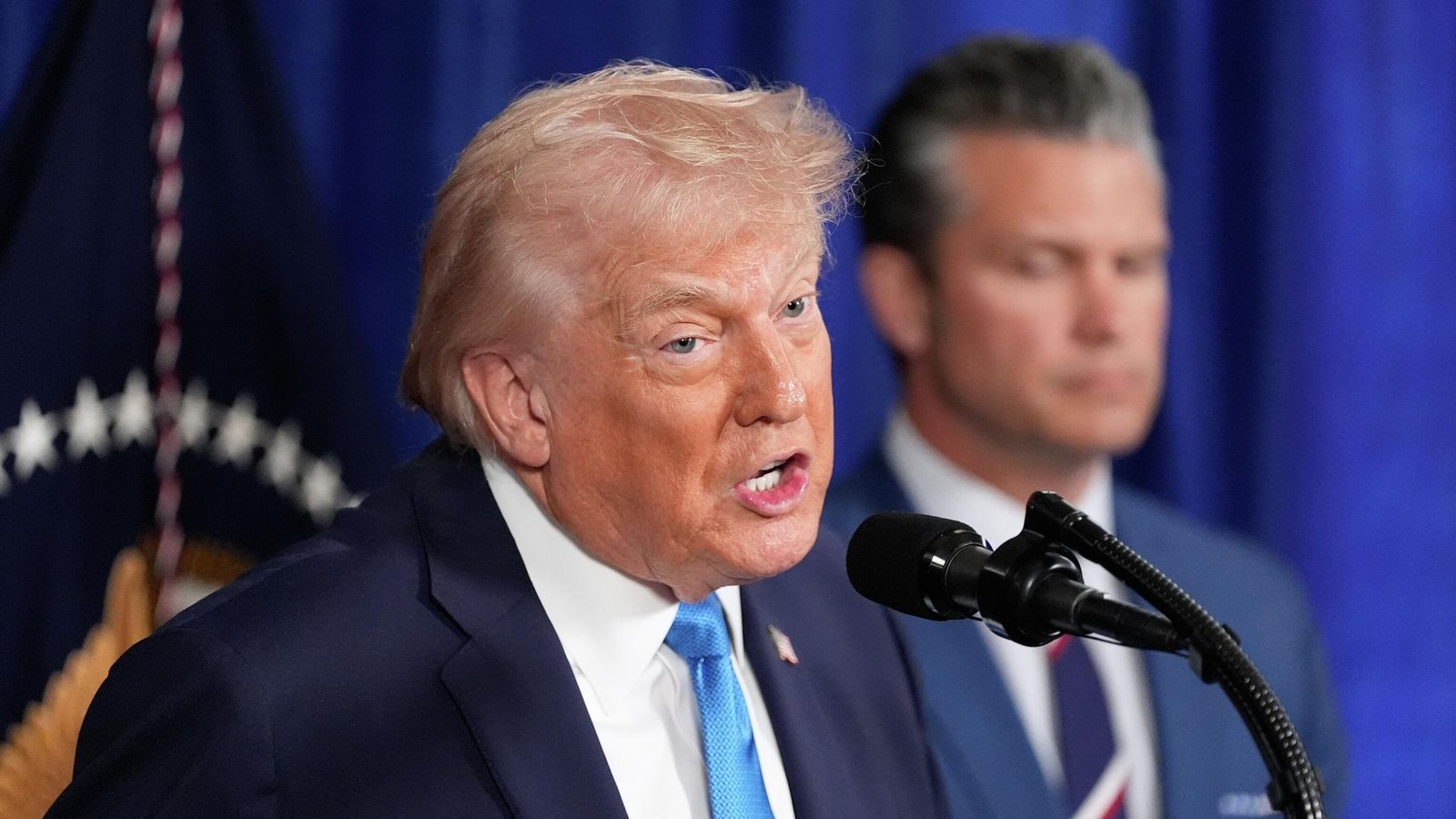
Trump articulated the logic himself. “We’ll be hitting them very hard,” he said on Friday. “You know, at some point they’re going to say, ‘We just can’t take it anymore.'” When asked whether Americans should expect continued exchanges, Trump replied: “A little bit.” The exchange describes a strategy of attrition aimed at political capitulation, not a series of tactical strikes with defined military objectives.
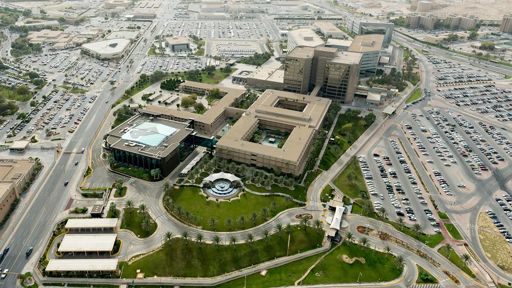
Energy infrastructure is the chosen instrument. US planning has reportedly included power plants and oil refineries across Iran, targets that would cut electricity across Tehran and degrade the fuel supply that keeps the country running. A former US military official speaking to CBS News described the targeting rationale as degrading the Iranian government’s “ability to provide services and effectively govern.” A government that cannot keep its lights on, in this framing, cannot sustain its authority.
The resource picture complicates the order. Gen. Alexus Grynkewich, head of US European Command, warned the Pentagon in writing that without additional Navy destroyer resources, he would be “forced to choose defense of the United States ‘homeland’ over that of Israel,” the Washington Post reported. The warning exposes a tension at the heart of the US military posture: the pace of operations has consumed naval assets faster than the logistics chain can replenish them, and covering two fronts simultaneously is straining what the force can sustain.
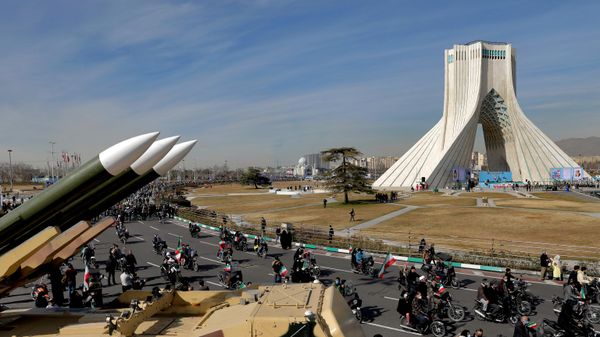
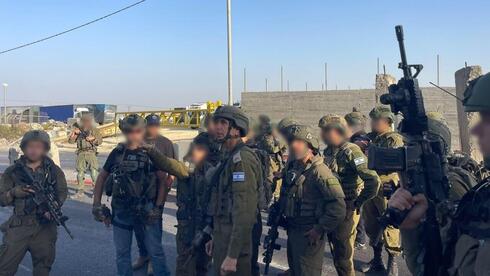
Israel’s role in the forthcoming strikes remains unclear. CNN reported it found no indication Israel would participate. CBS News, citing US sources, said the US and Israel were jointly planning strikes on Iranian energy facilities. An Israeli official sought to distance Jerusalem from the CBS account, saying Israel is “unaware of a decision to restart full military operations,” a statement that stops short of denying those discussions are happening.
Iran’s military leadership responded to the escalating signals before the strikes had landed. Commander Ali Abdollahi warned on Friday that “any country serving as a defensive shield for criminal and aggressive America will be engulfed by the flames of war,” a warning that extends Iran’s stated targeting logic beyond the United States and Israel to the Gulf states hosting American military infrastructure.
US embassies across the Middle East issued security alerts on Friday, urging American citizens to avoid travel to the region and consider departing. The alerts came before any new strikes were confirmed, suggesting US officials anticipated retaliatory Iranian action against American civilian and commercial targets in the region as a likely consequence of the bombing campaign.
The announcement arrives as Iran has already demonstrated its reach. Iran’s wartime commander earlier Friday threatened US and Israeli energy infrastructure with counterstrike if Washington moved forward with attacks on Iranian facilities. And earlier this week, Iranian units struck two oil tankers transiting the Strait of Hormuz under US air escort, halting both and sending four additional vessels into retreat.
The current order builds on a pattern of escalation throughout July. US and Israeli planners had already been reported to be preparing to bomb Iran’s power plants and refineries, with timing oriented around Asian market trading hours to limit the initial financial shock. Friday’s reporting suggests those plans have now crossed from preparation to presidential order.
What Iran’s response to strikes on its power plants and energy infrastructure would look like is the central question no source addresses. Tehran has managed every previous escalation with a calibrated counter-move, enough to demonstrate capacity without fully closing the Strait or drawing neighboring governments into direct confrontation. Whether an explicit US campaign targeting regime surrender falls within that managed range, or crosses a threshold Tehran has identified as requiring a fundamentally different order of response, is not known.
A ceasefire established in June lasted less than three weeks before collapsing in early July. No active peace talks are underway. The Doha backchannel and Omani mediation efforts that briefly produced the June truce have gone quiet. Trump on Friday said he is “losing faith” in Iranian authorities “because they do lie.” The order is in. The strikes have not yet begun. What happens in the space between those two facts will define the weekend.