
WASHINGTON – Tens of millions of Iranians who have endured months of power cuts and fuel rationing have been told to expect more. A Friday night CBS News report, citing multiple US sources, described the United States and Israel preparing to bombard Iran’s power plants and oil refineries, a campaign that could begin as soon as this weekend and would represent the most destructive escalation in the ongoing war between Washington and Tehran.
Neither side has yet crossed into deliberate targeting of civilian energy infrastructure. According to the CBS News report, high-level discussions have included cutting electricity across Tehran itself. The president has not yet given the final orders, two sources said, and an Israeli official disputed elements of the report. But planning for what multiple sources described as the harshest bombing campaign to date against Iran’s energy sector is actively underway.
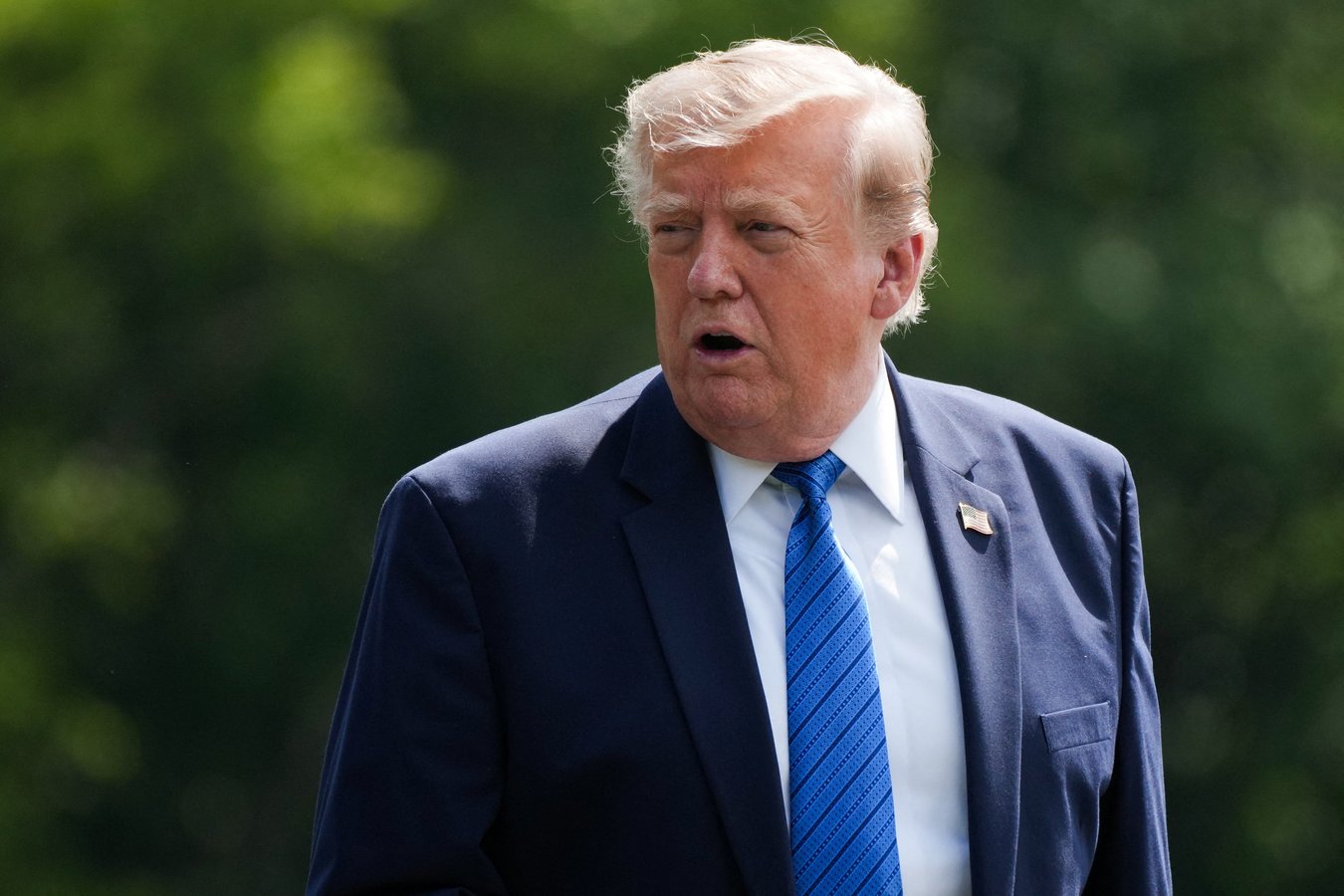
The energy targets under consideration include power plants and oil refineries across Iran. The timing has been framed with financial markets in mind: planners hope to complete strikes before Asian markets open Monday, limiting the first wave of economic reaction to a weekend with thin trading. “I think we just want to win,” Trump said Friday when reporters asked about diplomatic options. “We’ll be hitting them very hard.”
An Israeli official sought to distance Jerusalem from the CBS reporting, saying Israel is “unaware of a decision to restart full military operations.” The statement is notable for what it does not say: that the discussions are not happening, or that Israel would not participate. Washington has not commented directly on the report. Two of the sources who spoke with CBS confirmed that Trump has yet to give the final authorization.
A former US military official, speaking to CBS News, explained the targeting logic. Degrading Iran’s power plants and refining capacity would, in the official’s assessment, “impact the Iranian military’s ability to provide services and effectively govern.” The framing treats energy infrastructure not as a target chosen for its own military value but as a mechanism to erode the Iranian state’s ability to function, under the logic that a government that cannot keep its lights on cannot sustain a war.
The distinction between military and civilian infrastructure under the laws of armed conflict is one the current targeting approach would strain. Power plants and refineries that supply civilian populations carry legal protections requiring that any military advantage be proportionate to civilian harm, a calculation that becomes harder to sustain when the target population is already rationing electricity in a Middle Eastern summer. The International Committee of the Red Cross has consistently held that infrastructure essential to civilian survival demands specific military necessity justification before it can lawfully be destroyed.
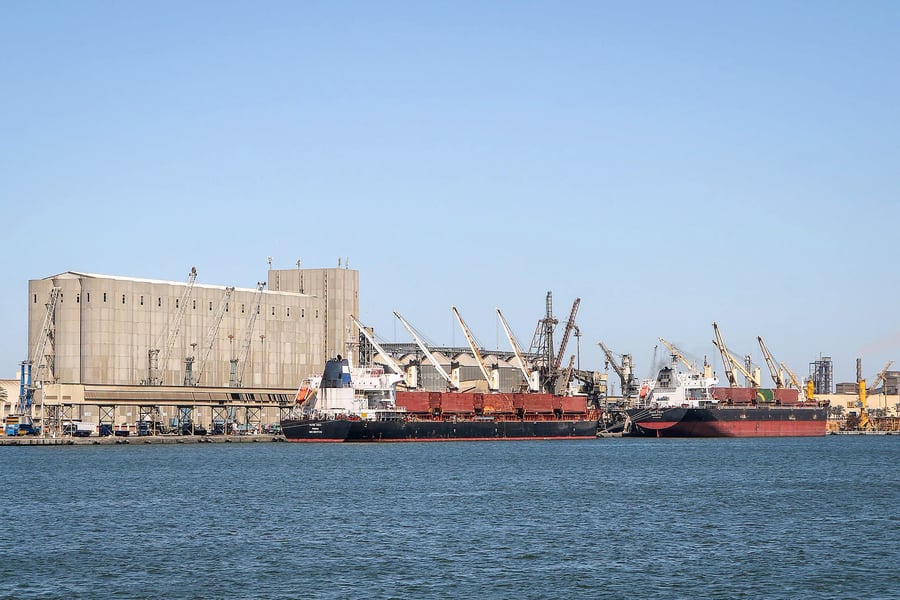
Iran has not waited for the weekend. Iran’s Revolutionary Guards struck two oil tankers under US air escort in the Strait of Hormuz on Friday, halting both and sending four additional vessels into retreat. Iran’s military also targeted US facilities at Kuwait’s Ahmad al-Jaber Air Base with drones, though Kuwait’s defense ministry said the drones were intercepted. The Strait of Hormuz, through which roughly a fifth of the world’s traded oil flows, was declared effectively closed to vessels Iran considers non-compliant.
The weekend’s planning has a July precedent. Trump publicly threatened to knock out Iran’s power plants and bridges on Fox News on July 15, framing it as a deadline if Tehran did not return to negotiations. “Next week comes the power plants. Next week comes the bridges,” Trump said at the time. The immediate strikes did not materialize on that schedule, but the broader progression of the war has moved steadily in the direction Trump described that night.
No active peace talks are underway. The Doha backchannel and Omani mediation that briefly produced a truce in early July have both gone quiet. Trump said this week he is “losing faith” in Iran’s ability to make deals, citing what he described as Tehran’s dishonesty in earlier contacts. CBS News reported that the US restarted combat operations in early July after the truce collapsed, and the pace of strikes has only intensified since.
Oil markets have already absorbed months of Hormuz-related volatility. The prospect of US and Israeli strikes on Iranian refineries and power grids in the same week Iran demonstrated it could reach US-escorted tankers in the Strait creates a set of price signals without recent precedent. US-Saudi strikes in Iraq this week killed at least 20 militants including five Iranian Revolutionary Guards, extending the geographic scope of the conflict. The war is no longer contained to Iranian territory.
What Iran does if its energy infrastructure is bombed is the question no source in the CBS report addresses. Tehran has responded to every escalation with a counter-move calibrated to expand the conflict’s pressure points without yet triggering a response that fully closes the Strait or draws neighboring governments into direct confrontation. Whether an attack on Iran’s power plants and refineries falls into that managed category of escalation, or crosses a threshold Tehran has identified as requiring a fundamentally different response, is not known. The final order has not been given.