
WASHINGTON – Donald Trump threatened Tuesday night to destroy Iran’s electrical grid and bridges within days, issuing a public ultimatum on Fox News that would carry the US-Iran war into territory it has not yet entered: the deliberate targeting of infrastructure that tens of millions of civilians depend on to survive a Middle Eastern summer.
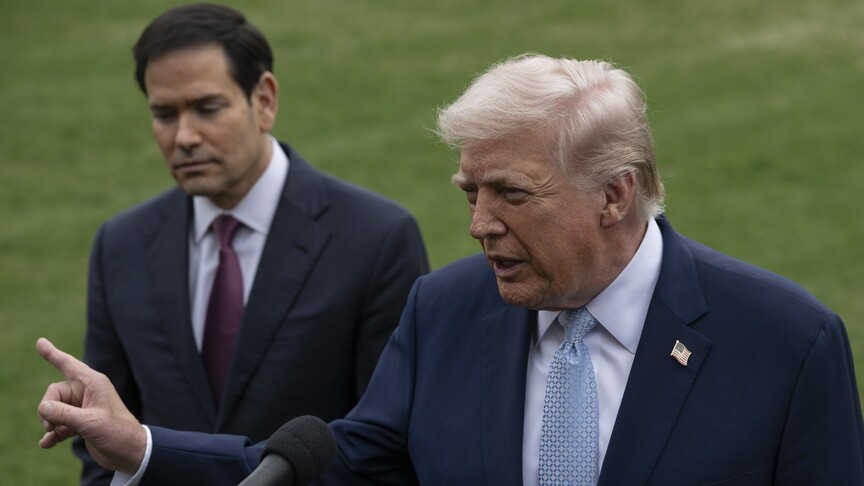
“Next week comes the power plants. Next week comes the bridges. We’re going to knock out all their power plants,” Trump said in the interview. He said US forces would continue striking coastal targets “tonight and tomorrow night” before the escalation began, framing the sequence as deliberate, staged, and conditional on Tehran’s next move. The strikes would stop, he said, only if Iran sent representatives back to the negotiating table.
Trump said US officials had spoken with Iranian counterparts approximately one hour before the interview aired, which he offered as evidence that Tehran understood the pressure being applied. “They want to make a deal,” he said. “You better make a deal. You’re not going to have anybody left.” He also indicated that energy production targets, including oil and gas infrastructure, would come after the power plants and bridges, saying he was “saving the energy targets for last” but would “ultimately” hit them.
Whether any contact between US and Iranian officials constitutes active negotiations or informal communication is not clear. The White House did not release details of the exchange, and Iran’s foreign ministry did not immediately respond to Trump’s interview. What Trump described as dialogue, Iranian officials have previously characterized as precondition-setting that Tehran considers one-sided and unacceptable as a basis for resumed talks.
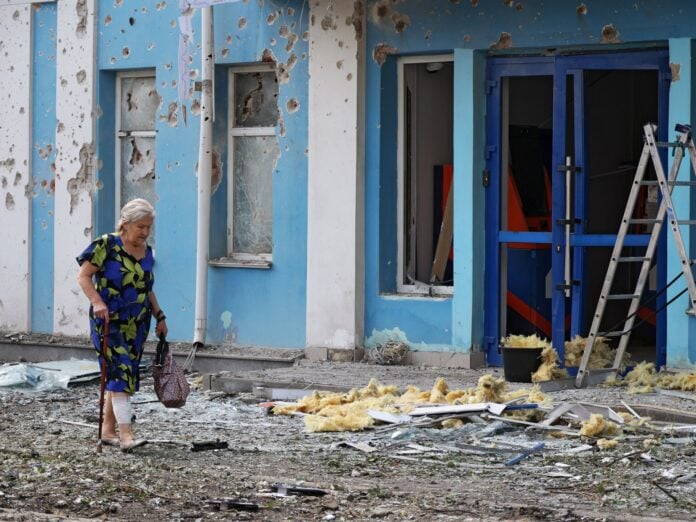
The threatened category of targets represents a meaningful legal and humanitarian threshold. Power plants that supply civilian populations, and bridges used by civilians as well as military traffic, fall under international humanitarian law protections that require proportionality and distinction between military and civilian objects. Bombing an electrical grid in southern Iran in July, when temperatures regularly exceed 40 degrees Celsius, would cut power to hospitals, water treatment facilities, and homes at the peak of summer heat. The International Committee of the Red Cross has consistently held that infrastructure essential to civilian survival requires specific military necessity justification before it can lawfully be targeted.
According to Anadolu Agency, Trump framed the escalation as an attempt to force Tehran’s hand rather than as a decision already made. “We’re hitting them very, very hard. We’re hitting every single thing that they have along the shore,” he said, describing the pace of operations as sustained and intensive since the current round of strikes resumed after a short-lived ceasefire in early July.
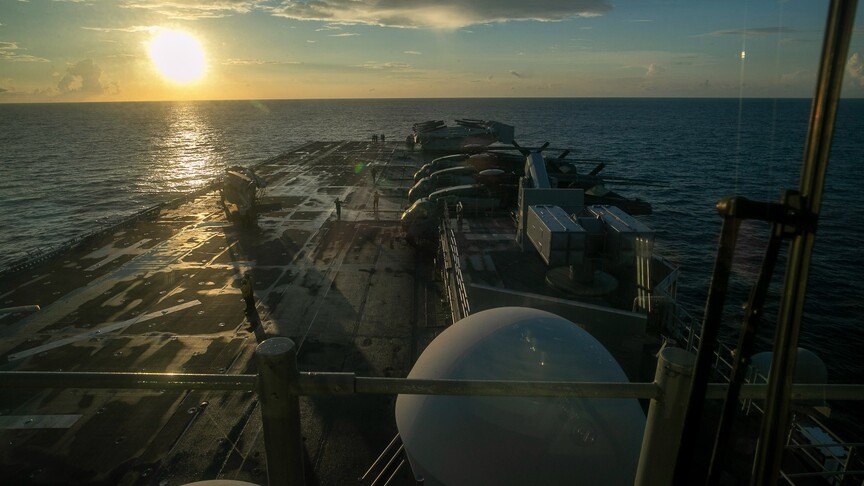
The same day, CENTCOM commander Admiral Brad Cooper accused Iran of deliberately targeting commercial shipping and civilian maritime crews. Cooper said Iran had “intentionally targeted civilians across the region by attacking seven commercial ships, resulting in nearly a dozen civilian crew members killed, missing or injured.” His statement and Trump’s interview together drew a picture of two governments engaged in a war that both sides now describe as having a civilian dimension, though each attributes the civilian harm to the other.
Iran’s response on Tuesday came from the IRGC, which confirmed a seventh wave of drone strikes against a US military base in Jordan, continuing the graduated retaliation pattern Tehran has maintained since fighting resumed. Iranian officials did not address Trump’s power plant threat directly. The formal diplomatic channels that opened during the early-July ceasefire, including the Doha backchannel and Omani mediation, have not produced any publicly confirmed meeting since the ceasefire collapsed.
The threat also landed against a complicated domestic backdrop. Senate Democrats blocked the $1.15 trillion defense authorization bill earlier Tuesday, citing Trump’s failure to secure congressional approval for the Iran military operation under the War Powers Act. Trump has argued that his original War Powers notification to Congress covers subsequent escalations. Democratic senators have disputed that reading, saying each new phase of the conflict requires a separate congressional notification if not outright authorization. The question of whether bombing Iranian power plants would require a new notification has not been tested.
What the Fox News interview does not resolve is whether the power plant threat is a battle plan or a negotiating move. Trump’s formal reinstatement of the Hormuz naval blockade last week was preceded by similar escalatory language that preceded a brief diplomatic opening, a pattern some analysts read as deliberate coercive signaling. Whether the same pattern holds, or whether the trajectory of the war has moved past the point where threats produce talks rather than retaliation, is the question that Tuesday’s ultimatum leaves open.