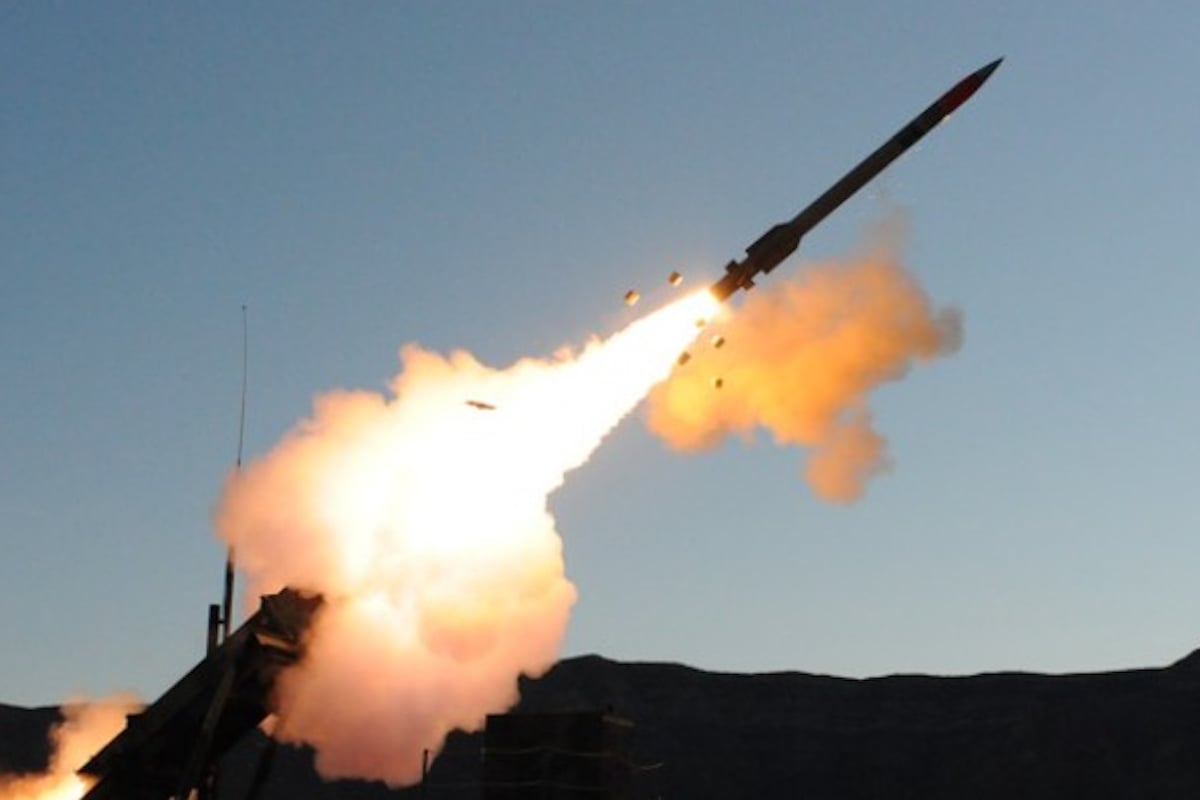

WASHINGTON — For five months, the generals managing America’s arsenal in the Middle East have been doing the arithmetic no American official will discuss publicly. The numbers, according to multiple people familiar with internal military data, are worse than anything Washington has acknowledged: the United States has expended virtually all of its available Army Tactical Missile System and Precision Strike Missile long-range munitions in operations against Iran, while depleting roughly two-thirds of its Patriot interceptor stocks and consuming nearly half its global inventory of Tomahawk cruise missiles.
A Reuters exclusive published Tuesday offered the most specific public accounting yet of what the campaign has cost America’s strike arsenal. CNN separately reported that commanders have warned stockpiles of key missile interceptors are now “dangerously low,” a characterization drawn from internal military channels that had not previously entered the public record. Together, the disclosures paint a picture the administration has worked hard to prevent from becoming the defining narrative of the war.
The depletion runs across both offensive and defensive systems. The damage to offensive capabilities centers on the ATACMS and its successor, the Precision Strike Missile, the primary munitions used in sustained strikes on Iranian targets over five months. US Central Command is believed to have exhausted most of its pre-war allocation, drawing down supplies from other regional commands to sustain operations. Precise figures remain classified, but people familiar with internal government data describe the inventory as functionally empty for near-term operational use.
The defensive picture is comparably grim. Research from the Center for Strategic and International Studies estimated that roughly 65 percent of Patriot interceptors and more than a third of Terminal High Altitude Area Defense reserves have already been expended. Gen. Alexus Grynkewich, the commander of US European Command, conveyed those concerns in a leaked internal memo that cautioned the United States now risks being unable to adequately defend Israel from further Iranian strikes, an assessment that quietly inverted the stated rationale of much of the bombing campaign.
President Trump pushed back. He told reporters the United States “still possesses more munitions than any other nation on earth” and attributed any production constraints to deliberate inventory management rather than battlefield attrition. The Pentagon did not formally respond to the Reuters reporting. Trump has maintained throughout that the Iran war is tracking toward its objectives, even as he refused this week to set any timeline for its end and compared critics pressing for one to Vietnam-era hawks.
The concern had circulated through internal channels well before Tuesday’s disclosures. Gen. Dan Caine, the chairman of the Joint Chiefs of Staff, privately warned that dwindling munitions “increases operational risk” for ongoing and potential future engagements. An earlier halt in American strikes on Iranian targets, tied to reports of depleted Patriot stocks, proved short-lived as Trump ordered the bombing to resume within days. A Pentagon assessment circulated last weekend had already raised fresh warnings about naval shortfalls and the thinning of American forces able to protect both Israel and the US homeland simultaneously.
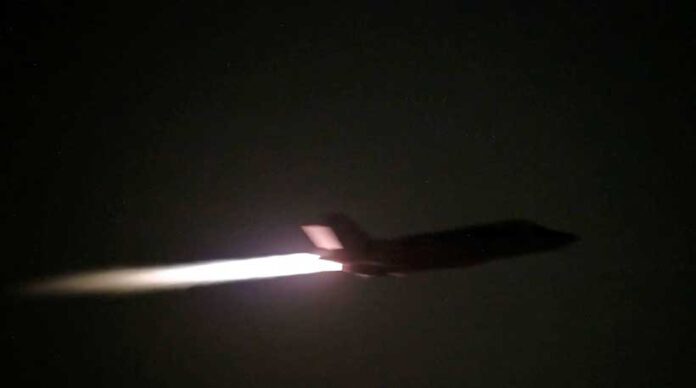
European governments that depend on American extended deterrence have taken private note. Several NATO members have accelerated their own procurement programs in direct response to the erosion of US interceptor inventories, a shift that reflects growing concern that Washington’s capacity to reinforce the European theater is no longer what it was when the Iran campaign began.
Washington has signed contracts worth more than three billion dollars with Lockheed Martin and Northrop Grumman to expand production. The plan calls for tripling Patriot output and quadrupling Terminal High Altitude Area Defense production, with a stated goal of acquiring nearly 14,000 new interceptors. The defense industrial math, however, offers limited comfort: missile assembly typically requires 24 months, and the solid rocket motors embedded in most interceptors carry a 30-month curing cycle. The weapons that will replace what the Iran campaign has consumed are, by industrial necessity, years away.
The gap between the administration’s public posture and the classified readiness picture has widened steadily since the first American strikes on Iranian targets. Internally, commanders at the operational level have transmitted a more troubled assessment through closed channels, one that has now, through the reporting of Reuters and CNN, entered the public record for the first time.
What the disclosures do not resolve is the fundamental logic of the campaign itself: five months of precision bombardment have depleted an arsenal that took decades to accumulate, at a production deficit that will take years to close, against a country that has not yet agreed to terms matching what American officials described, at the war’s outset, as their minimum conditions for ending it.