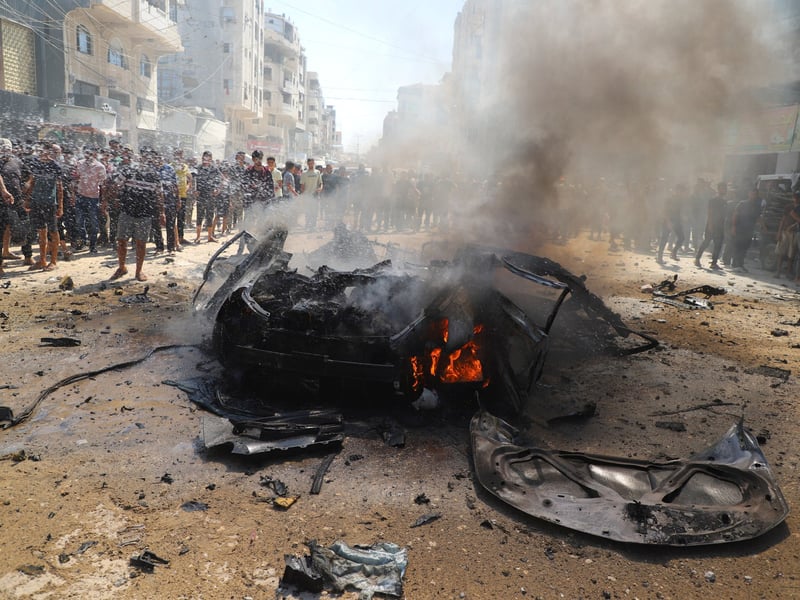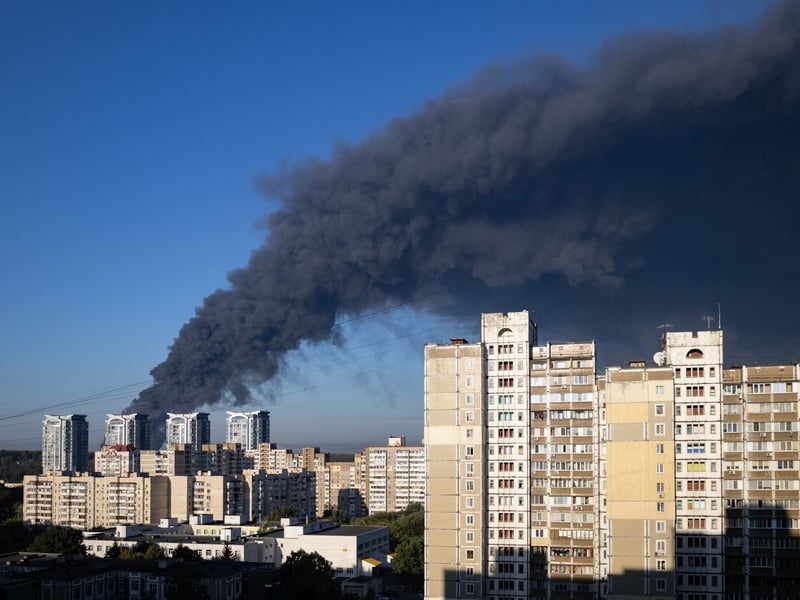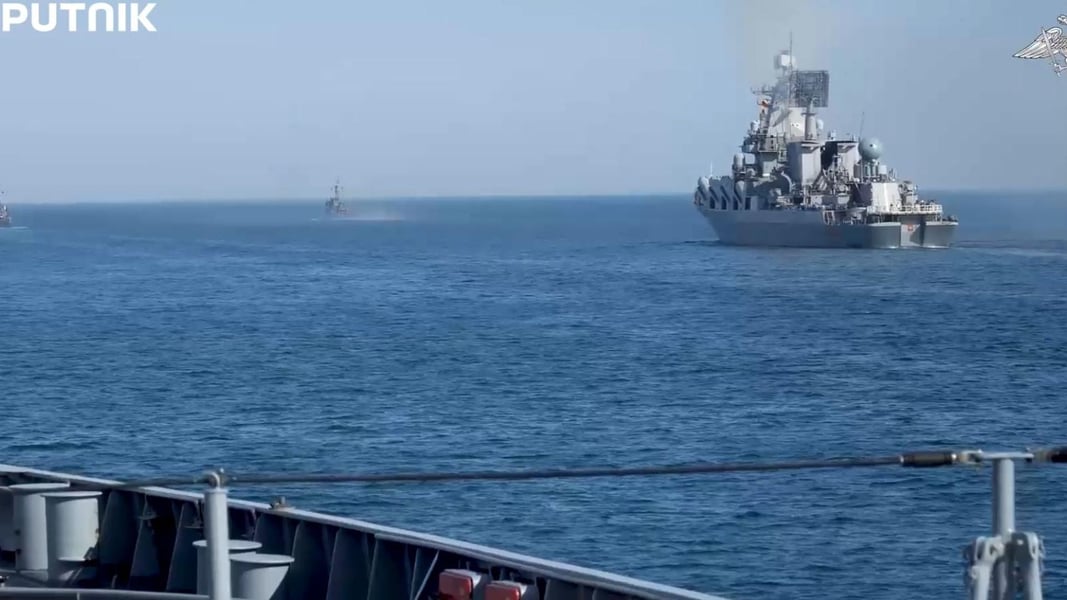

DUBAI – The guns fell quiet on Friday, but not because either side had won. After thirteen nights of American airstrikes on Iranian nuclear and military facilities, the United States paused its campaign without advance warning, leaving the Strait of Hormuz still closed and oil tankers stranded from Fujairah to the Gulf of Oman. Iran’s army shortly after confirmed it had halted its own retaliatory operations. Neither government has officially called it a ceasefire, and neither has promised to hold.
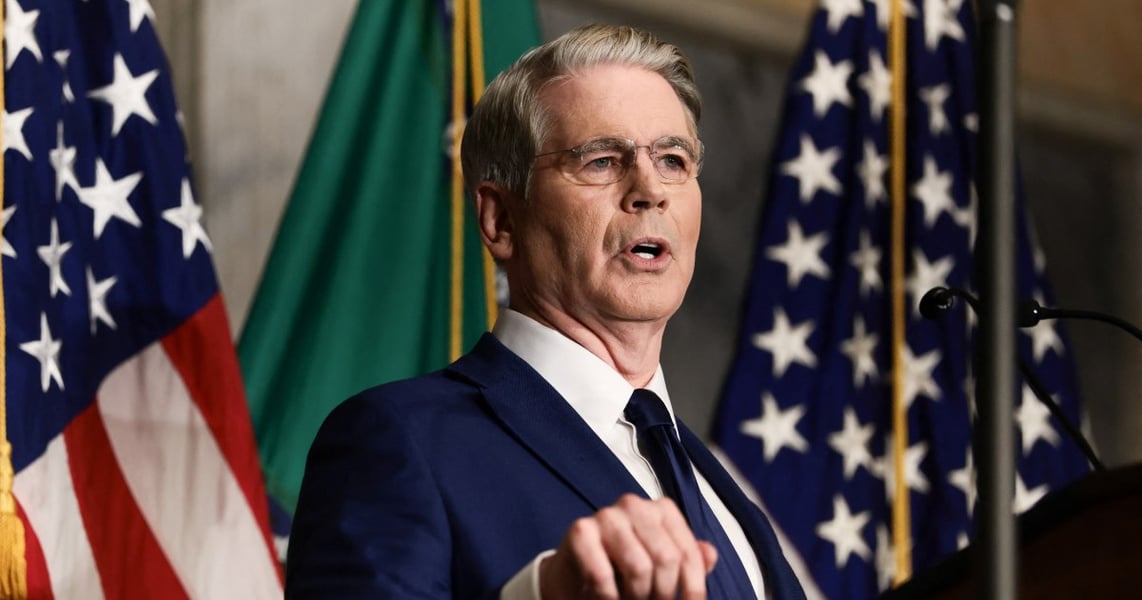
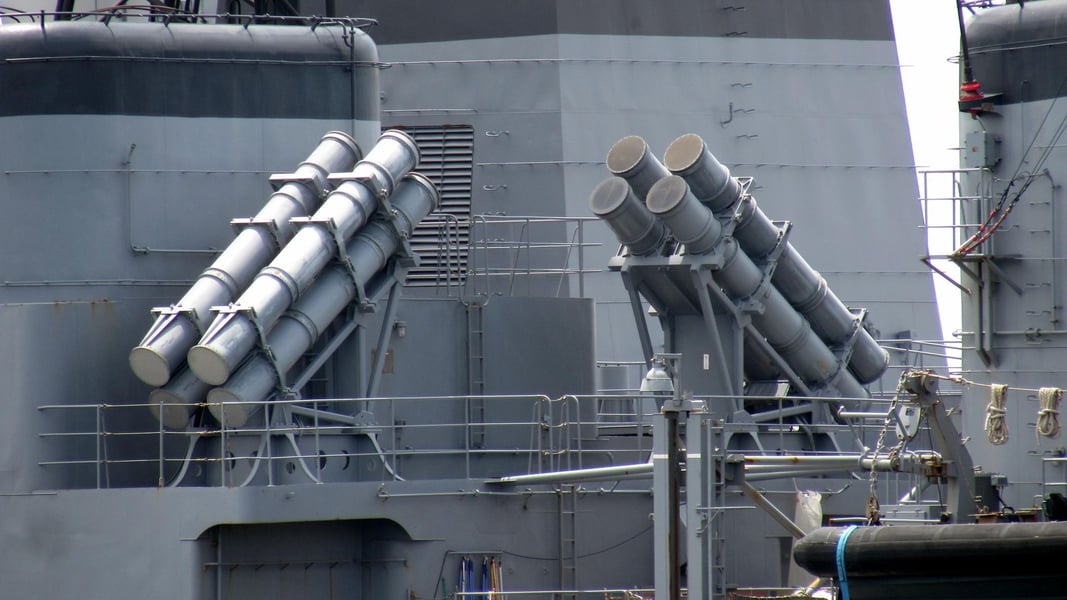
The pause came as an Axios report surfaced a classified warning from General Michael Caine, the top US military commander in the region, to Defence Secretary Pete Hegseth and the White House: American stockpiles of Patriot air-defence interceptors had run dangerously low after weeks of round-the-clock intercepts against Iranian ballistic missiles. The administration moved quickly to contain the disclosure. Trump, speaking to the Wall Street Journal, dismissed it flatly. “We have far more munitions than anyone in the world,” he said, but made no specific claim about interceptor inventories.
US Ambassador Mike Waltz, appearing on NBC, offered a more elliptical justification: Washington was “giving some talks some space.”
The precise shape of those talks remained unclear as of Sunday. Qatar, Egypt, and Pakistan have submitted a joint proposal for a formal 10-day pause, a framework that diplomats familiar with the draft said would require Iranian agreement to open the Strait of Hormuz within 72 hours in exchange for a suspension of additional US strikes. Iran has not publicly responded to the proposal. Mojtaba Khamenei, who became Supreme Leader following his father’s death and has taken a markedly harder line than senior negotiators, has stated that any lasting agreement must begin with “absolute, unconditional termination of the Zionist regime’s aggression” in Gaza, a condition Washington has shown no sign of meeting.
Economist Nader Habibi of Brandeis University, who tracks the Iranian economy, said the halt reflected a hard calculus: the longer the campaign continued, the greater the damage to the global economy, and with it the political costs to the Trump administration. As ABC News documented, oil prices that had surged more than 20 percent to above $100 a barrel when US strikes resumed after the collapse of a June 17 memorandum of understanding fell four percent on Friday as news of the pause spread.
The UNDP has warned that sustained Hormuz disruption could push 45 million people into poverty. At Iran’s petrol stations, queues stretched to one kilometre as refined fuel imports dried up, a visible measure of the squeeze the conflict has imposed on ordinary Iranians.
Iran’s foreign minister Abbas Araghchi, speaking to Austrian broadcaster ORF, said Tehran had been “betrayed” by the agreements it signed in June, when the original memorandum of understanding froze the conflict only for it to collapse weeks later over a dispute about shipping route guarantees. He stopped short of saying Iran would refuse all future agreements, but the comment telegraphed the difficulty of any new framework: Iran has watched previous pauses dissolve and will need concrete security guarantees, not paper commitments, before it reopens the waterway.
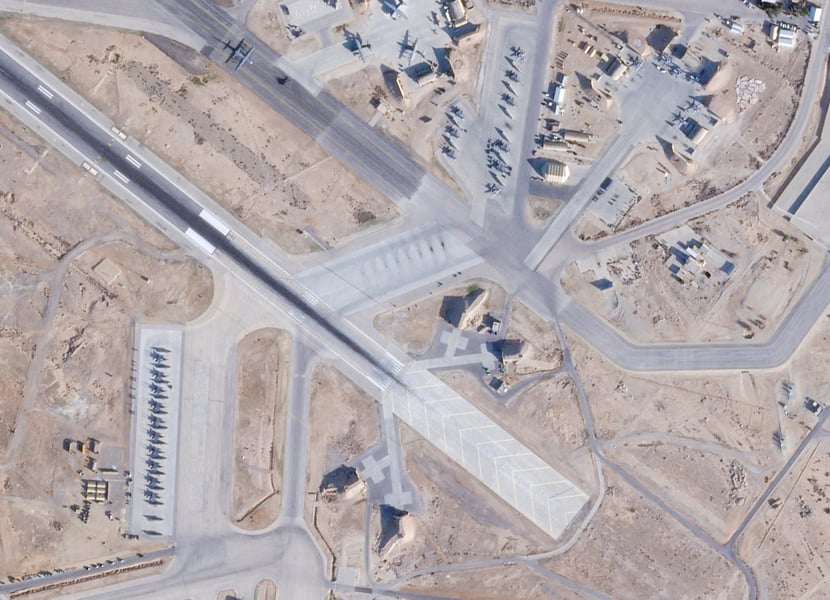
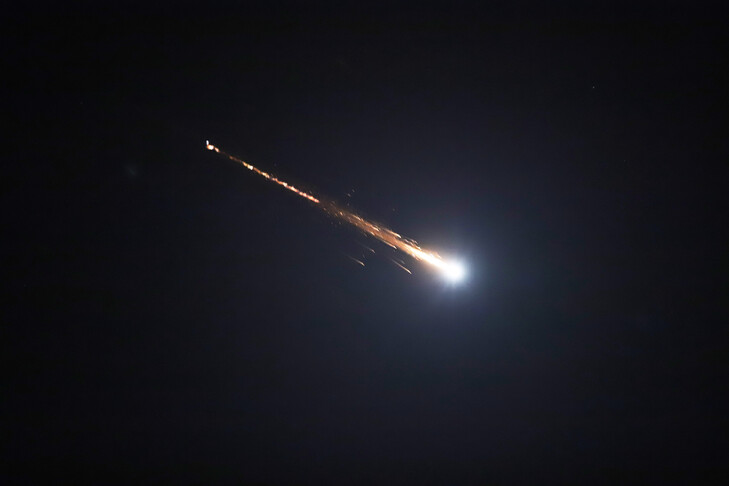
Iran’s army spokesman Brigadier General Abolfazl Akraminia said Sunday the halt was reciprocal. “We have also halted our retaliatory operations,” he said. Iranian drone and missile attacks on US bases in Iraq, Qatar, and the al-Udeid air base had been among the most sustained in the conflict, forcing the deployment of additional Patriot batteries and accelerating the drawdown of interceptor stocks that Caine’s classified assessment had flagged.
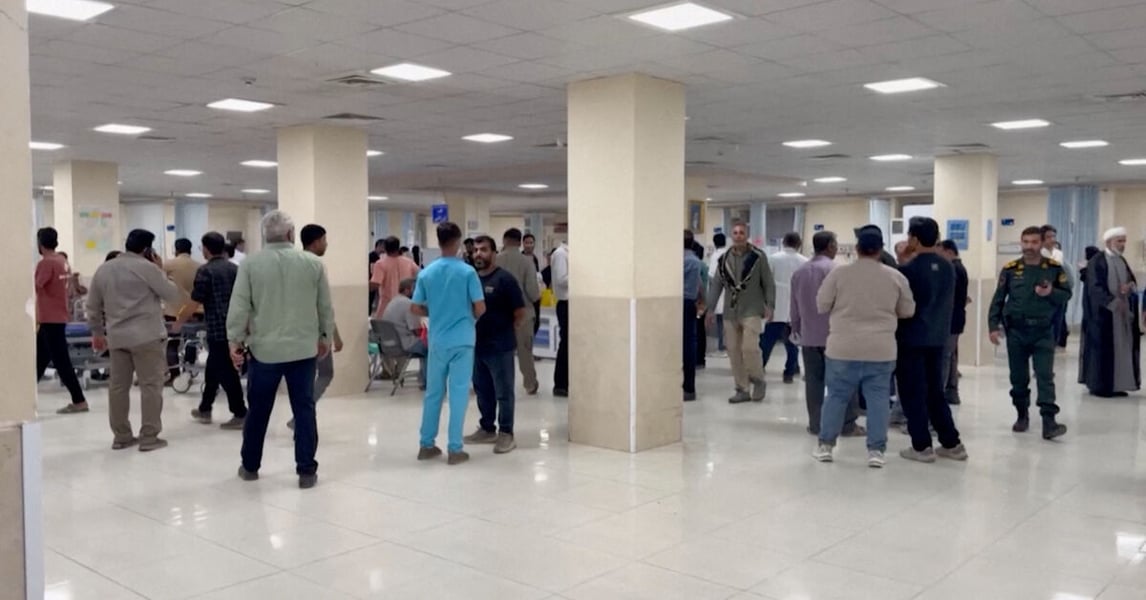
The human cost on the US side has been kept deliberately opaque. Initial Pentagon statements cited 18 military deaths; the figure was revised down to 14, with 482 wounded, in a correction that opponents of the campaign have used to question transparency. Trump has spoken almost entirely in economic and strategic terms, framing the pause not as a retreat but as a precondition for a better deal. “There’s a military exit,” he said, “or there’s a smarter strategy: you make a deal.”
The conflict has pulled in actors far beyond its two principal belligerents. Ukrainian forces struck an Iranian-flagged vessel in the Caspian Sea late Saturday, killing at least one sailor. President Zelenskyy confirmed the strike, saying the missiles had targeted vessels carrying military cargo linked to Iran. Tehran immediately summoned Ukraine’s diplomatic representative and called the attack a “criminal act.”
Ali Vaez, Iran director at the International Crisis Group, told Al Jazeera that two weeks of fighting had “reminded both Washington and Tehran that escalation raises the costs without resolving the conflict.” Any agreement, he added, would need to address the Hormuz closure within days, before pressure from hardliners on both sides overwhelmed the fragile quiet.
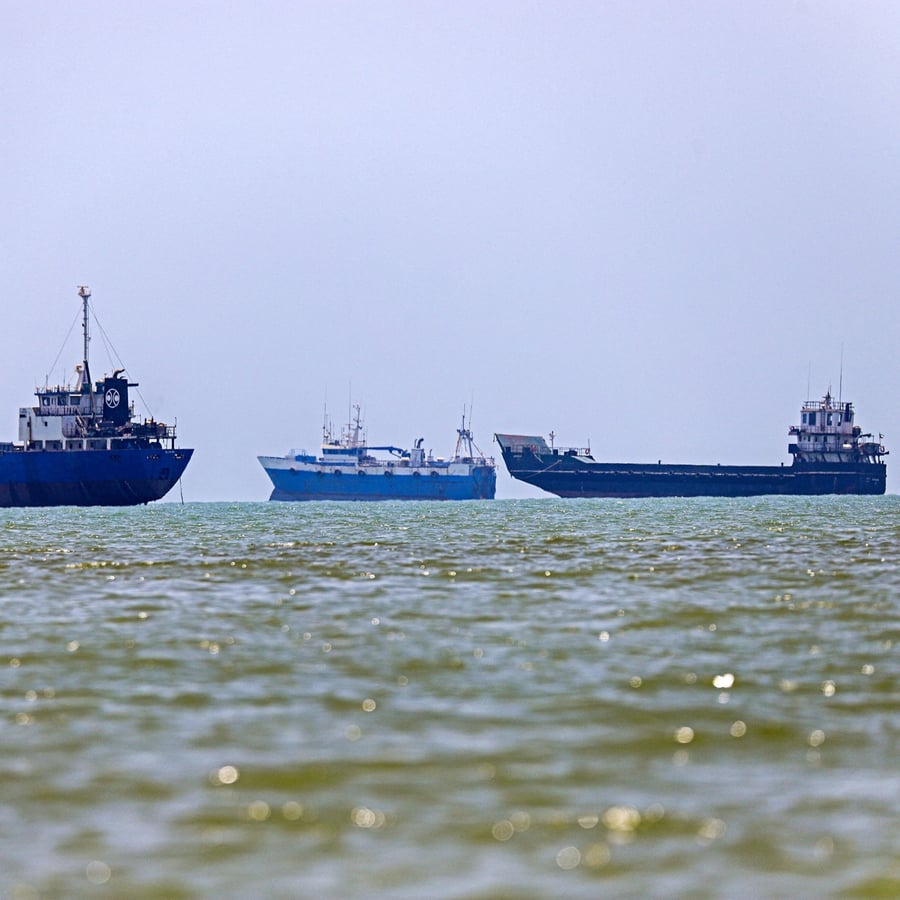
That quiet, on the ground, looks nothing like resolution. Iranian refineries are operating at reduced capacity. Tankers remain anchored off Fujairah, their owners unwilling to transit the Strait without military escort or clearer guarantees of safe passage. Earlier this month, Trump had threatened the largest Iran strikes yet as IRGC attacks escalated in the Gulf, while Tehran called his frozen-assets threats ‘incendiary’ within days of the June memorandum.
For now, both sides are choosing silence over escalation. Whether that silence holds long enough for mediators to build something on it remains the question nobody in Washington or Tehran has yet answered.