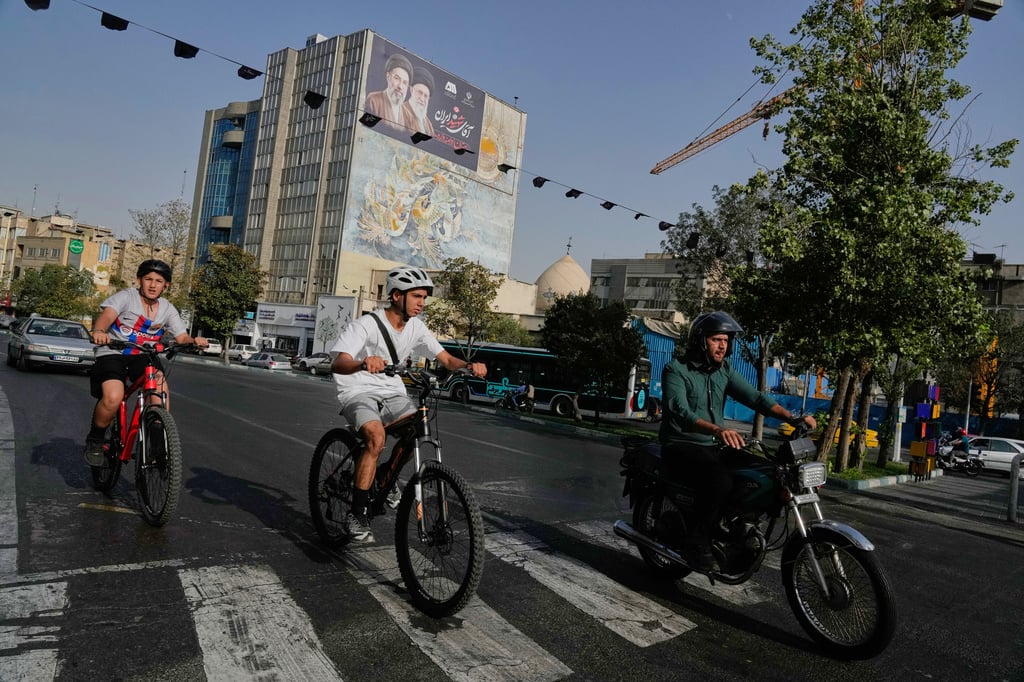

WASHINGTON – President Donald Trump said Wednesday he is “close to making a decision” on what he described as the largest military strikes yet against Iran, as Tehran’s armed forces expanded their retaliatory campaign to Kuwait, Jordan, and Bahrain and Brent crude crossed $100 a barrel for the first time since May.
“I am close to making a decision. We are all set for it,” Trump told Axios, adding that the next move would be a “massive attack” that would be “bigger than ever before.” The remarks rattled energy markets already convulsed by 12 consecutive nights of US strikes on Iran.
The threat came as Iran’s Islamic Revolutionary Guard Corps announced that its overnight campaign had targeted US military assets in Jordan and Kuwait. The IRGC acknowledged hitting a telecommunications tower in Kuwait, calling the strike direct retaliation for American attacks on Iranian telecommunications infrastructure. Kuwait later confirmed that the Abdali border crossing with Iraq had also been struck by what it described as “hostile drones.”
“The armed forces’ retaliatory attacks will continue as long as the US attacks on the country’s infrastructure and coastal areas continue,” said Mohammad Akraminia, the Iranian army’s spokesperson, in a statement indicating that Tehran sees no reason to stand down while Washington escalates.
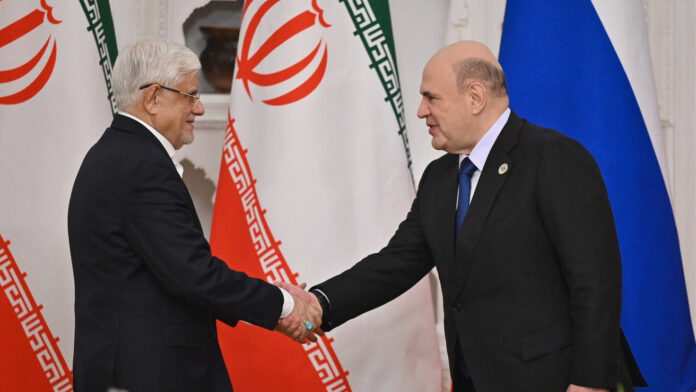
Iranian Foreign Minister Abbas Araghchi had warned on Wednesday that Tehran would retaliate “an eye for an eye” against future US attacks, including strikes on Iranian civilian infrastructure. The IRGC’s overnight operations against Kuwait and Jordan demonstrated that Tehran was prepared to follow through.
The United Nations Security Council convened as the crisis deepened. “The situation is getting out of control. It is teetering on the edge of the unimaginable,” Secretary-General Antonio Guterres told the council. “One crisis feeds another. One escalation triggers the next.” The council took no action.
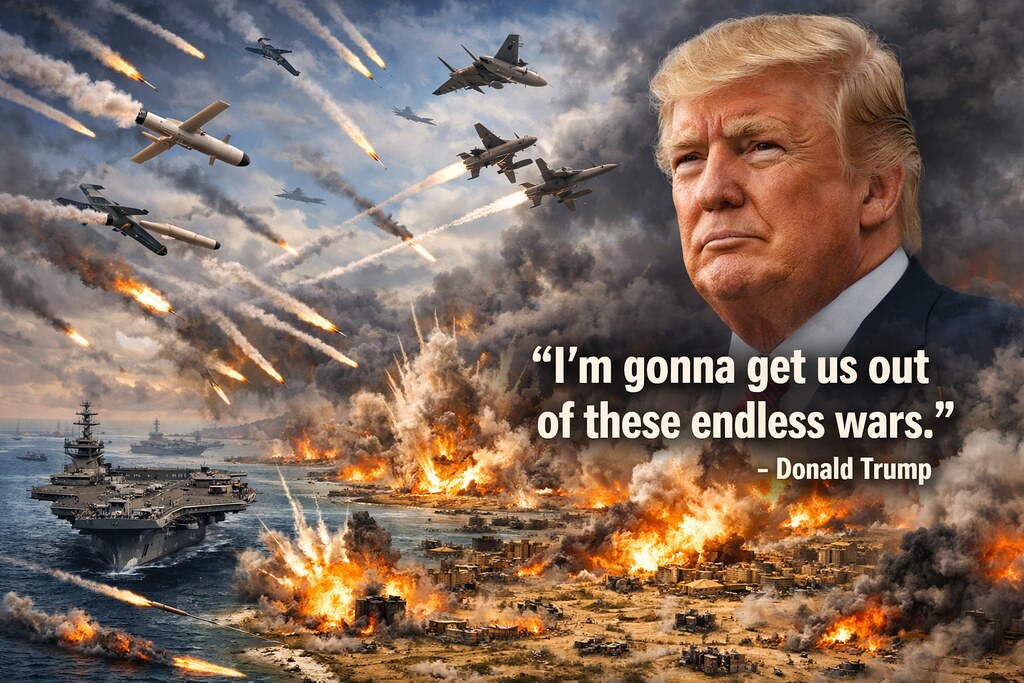
Brent crude surged past $100 a barrel on Thursday, its first breach of that threshold since May, as Yemen’s Houthi movement expanded the confrontation by attacking two Saudi tankers in the Red Sea and declaring a formal blockade of Saudi Arabian ports. The dual disruption of the Strait of Hormuz and the Red Sea left both of the Gulf’s critical shipping lanes under threat simultaneously.
Al Jazeera’s Yousef Mawry, reporting from Sanaa, cited Houthi sources as warning that Saudi Aramco’s facilities “could become a future target” if Riyadh does not lift its own blockade on Houthi-controlled ports. The Houthi declaration represents a calculated extension of the Iran-aligned resistance campaign to Saudi infrastructure, a front that had not been fully activated until Thursday.
“Much of the world’s spare production capacity has already been used, while strategic and commercial oil inventories are lower than when the war began, leaving the market with fewer buffers against a prolonged supply disruption,” said Janiv Shah, vice president of Rystad Energy, as Al Jazeera reported. The warning captures what the oil market is pricing: not just present disruption, but the absence of a buffer if the conflict deepens.
Congress has attempted to constrain the war. The House passed a war powers resolution this week directing the administration to halt the Iran campaign, the fourth such vote since February, but the Senate has not moved to support it. Republican senators have questioned Defence Secretary Hegseth on what the US endgame looks like without receiving a satisfying answer. Trump retains full operational latitude.
Trump’s framing of a coming strike as “bigger than ever before” raises the question of what targets remain after 12 nights of raids on bridges, tunnels, and telecommunications infrastructure across Iran. Whether the next escalation reaches toward nuclear facilities, leadership compounds, or energy infrastructure, he did not say. What constitutes “bigger” in this context has not been clarified, and what would follow it has not been explained.
The interim peace deal signed by the United States and Iran last month has been effectively destroyed by the resumed air campaign. Guterres’ invocation of “the edge of the unimaginable” reflects an institutional acknowledgment that the conventional tools of crisis management are not functioning. Shipping insurance rates for vessels attempting either chokepoint have reached levels not seen since the early weeks of the war. Trump is “close to a decision,” and the Gulf is waiting to find out what it is.