
DUBAI – The bill for moving crude oil through the world’s most contested waterways has become, for most insurers, almost impossible to calculate. War-risk premiums on vessels transiting the Strait of Hormuz have reached 7.5 to 10 percent of hull value, according to insurance professionals tracking the market, a figure that dwarfs the 1 to 3 percent ceiling that defined even the most volatile periods in recent memory.
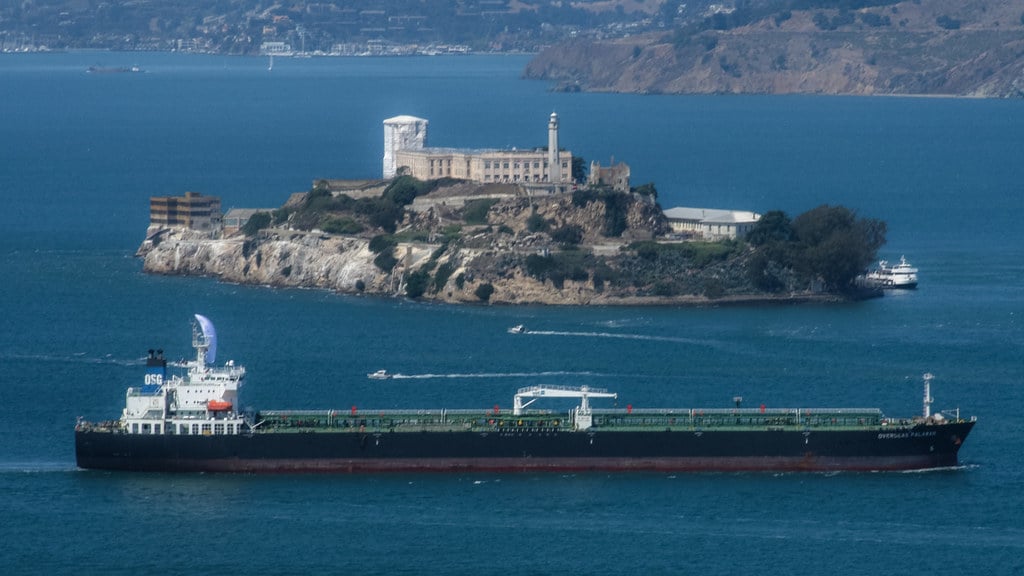
A 270,000-metric-tonne tanker now carries an insurance tab of roughly $21 million for a single voyage. That figure once represented the total annual exposure some mid-tier operators budgeted for an entire fleet. The shift happened in weeks.
Traffic through Hormuz, which averaged 120 to 140 vessel transits daily before hostilities resumed, fell to as few as two tankers a day at the height of fighting in early July. By Tuesday, that figure had recovered to ten. The Islamic Revolutionary Guard Corps made its position clear: “The Strait of Hormuz is under our control and completely closed,” an IRGC spokesman declared, a statement that underwriters have been pricing into every policy renewal since.
The same economics are playing out 2,000 kilometres away. Bab al-Mandeb, the choke point between the Red Sea and the Gulf of Aden through which a significant share of Europe-bound Gulf oil moves, recorded only 29 transits on Tuesday, down 30 percent from the 41 crossings logged the day before. War-risk premiums for that passage have settled at 0.5 percent of hull value, five times the rate that applied to safer Red Sea routes two weeks ago.
The human arithmetic is visible in freight rates. Moving a metric tonne of crude oil through Hormuz now costs $77.96, against a five-year average of $18.91 and a March 2026 peak of roughly $140, when operators panicked before the short-lived ceasefire of June 17 brought rates sharply lower. That memorandum held for three weeks before hostilities resumed on July 8, long enough for some charterers to lock in forward contracts at rates that now look improbably cheap. Shipping data compiled by Al Jazeera tracks the pattern across both corridors in detail.
“Insurance companies are charging a bit more for risk in the Red Sea,” said Marcus Baker, head of marine and cargo at Marsh, deploying the studied understatement that brokers use when the underlying numbers are genuinely alarming. The firm’s marine book covers a significant portion of global commercial shipping.
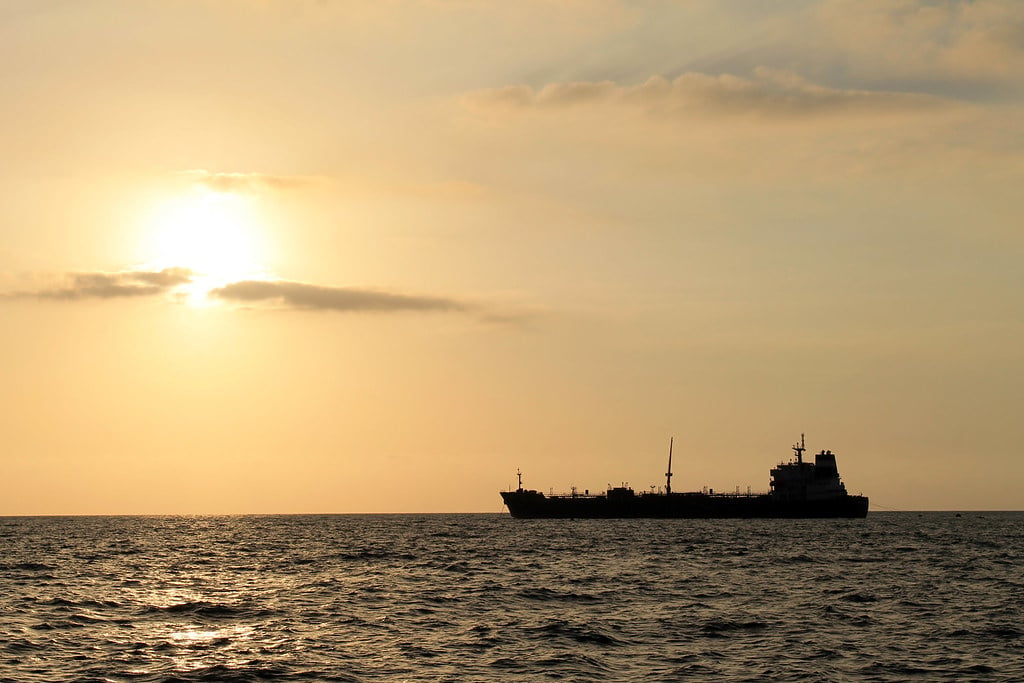
The broader consequence is a structural bifurcation of the tanker market. Vessels that can reroute around the Cape of Good Hope are doing so, adding two to three weeks to voyage times and absorbing additional bunker costs. Those that cannot, vessels under time charter to refiners with fixed intake schedules, are paying the Hormuz premium and hoping coverage holds. Several smaller operators have stopped taking bookings in the corridor entirely.
DP World’s Fujairah terminals, built partly to provide Hormuz bypass capacity, have seen volumes surge as shippers attempt to move cargo out of the Gulf without committing a vessel to the strait. Whether the infrastructure can absorb the full volume redirection is a question port managers are working through in real time.
Houthi strikes on Saudi-affiliated tankers in the Red Sea had already driven some insurers to exclude Yemen-adjacent waters from standard hull-and-machinery policies before the Hormuz crisis deepened. The combined underwriting exposure across both corridors is, by one London syndicate estimate, the highest concentration of active war-risk claims since the 1991 Gulf War.
What models cannot yet price is duration. Iran has not indicated when or whether it intends to ease restrictions on Hormuz. The ceasefire of June 17 was concluded as a memorandum, not a binding treaty, and its collapse three weeks later offered little confidence in the durability of arrangements brokered at speed. Insurance terms for Hormuz voyages are now being written with 30-day rather than annual expiry clauses, with underwriters reserving the right to withdraw coverage on 48 hours’ notice.
The parallel rise in long-term US borrowing costs has complicated the calculus for shipping companies that financed fleet expansions at low rates and now face simultaneous pressure from higher insurance costs, slower voyages, and tightening credit. Several Greek operators, who dominate the independent tanker segment, have approached London underwriters about pooled coverage arrangements to spread exposure across multiple vessels and owners.
Freight futures have priced in a prolonged disruption. Forward curves for Very Large Crude Carrier rates in the Asia-Pacific corridor have moved into steep contango, reflecting expectations that supply constraints will persist through at least the fourth quarter. Refiners in South Korea and Japan, among the largest consumers of Gulf crude, have begun drawing down strategic reserves at a rate not seen since the early months of the Houthi campaign in late 2023.
The cost base for Persian Gulf crude has been repriced upward, for as long as this situation persists. The war-risk premium is not noise. It is the new signal, and the market is only beginning to understand what that means for oil prices, supply chains, and the shipping companies caught between two closing straits.