
NEW YORK – A Saudi crude carrier burned in the southern Red Sea for the second consecutive night on Wednesday after Houthi forces launched coordinated strikes against two tankers carrying Gulf crude, pushing Brent oil above $100 a barrel for the first time since May and forcing energy markets to reckon with whether Iran’s war premium has become permanent.
Brent crude for September delivery crossed $101 a barrel in Asian trading before holding above that threshold through the London morning open, according to exchange data. West Texas Intermediate followed it past $97. The pair have not held above those levels simultaneously since the original Hormuz confrontation in early June, when prices briefly spiked before a Strategic Petroleum Reserve release drove them back toward $80.
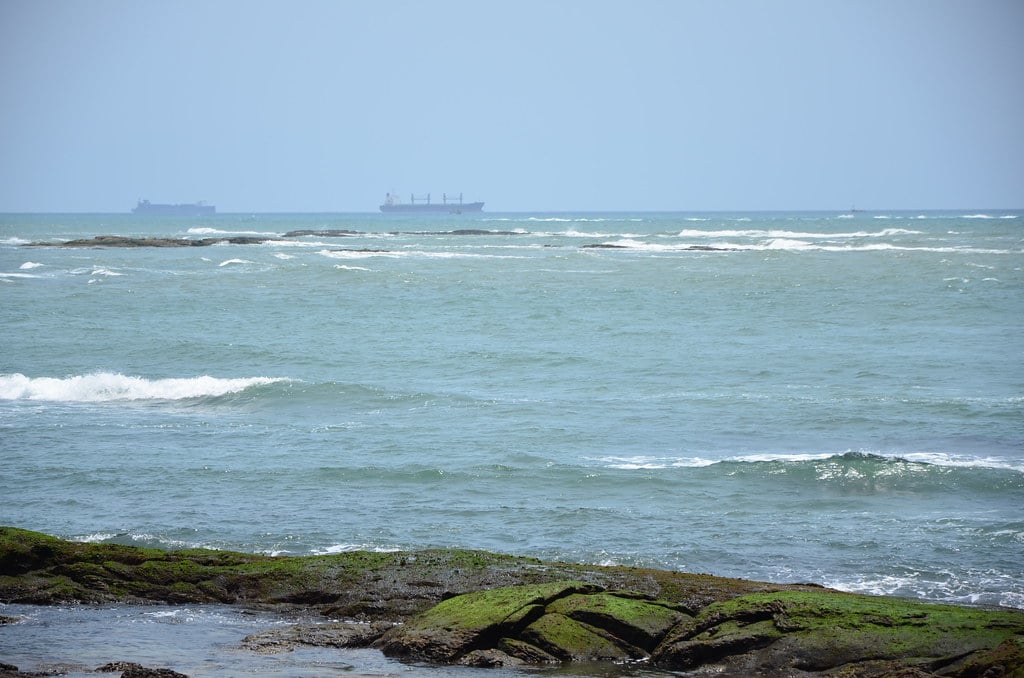
The twin Houthi strikes occurred in the early hours of Wednesday morning local time and targeted two vessels carrying Saudi crude south through the Red Sea. One tanker was set ablaze and was visible burning from Djibouti’s coastline, according to maritime tracking services. Yemen’s Armed Forces said the operation was a direct response to US strikes on Sanaa the previous week and named both vessels in a televised statement. Neither crew casualty count had been officially confirmed by Wednesday evening.
Donald Trump, who on Tuesday threatened to destroy one Iranian bridge or power plant for each ship attacked in the Strait of Hormuz, extended the threat to cover Red Sea attacks within hours. “Any ship in the region attacked by Iran or its proxies, we will respond 10x harder,” Trump wrote on Truth Social. Iran’s foreign ministry called the threat “reckless” and warned that any US strike on Iranian soil would prompt “an asymmetric regional escalation.” Houthi officials did not respond.
Exxon Mobil warned in an investor note circulated Wednesday that global crude inventories had fallen to “dangerously low levels” following three weeks of Hormuz disruptions, and that any sustained interdiction of Red Sea traffic would leave Asian refiners with fewer than 20 days of forward cover by August. Exxon’s stock, ticker XOM on the New York Stock Exchange, gained 3.4 percent by midday. Chevron (CVX) added 2.8 percent.
The broader equity market sold off. The S&P 500 fell 1.4 percent and the Dow Jones Industrial Average dropped more than 400 points as the Federal Reserve’s rate-cut calculus grew harder with every dollar added to crude. Inflation expectations embedded in the 10-year Treasury touched their highest level since January, reflecting a market that has stopped treating oil as a temporary shock and started treating it as a structural shift.
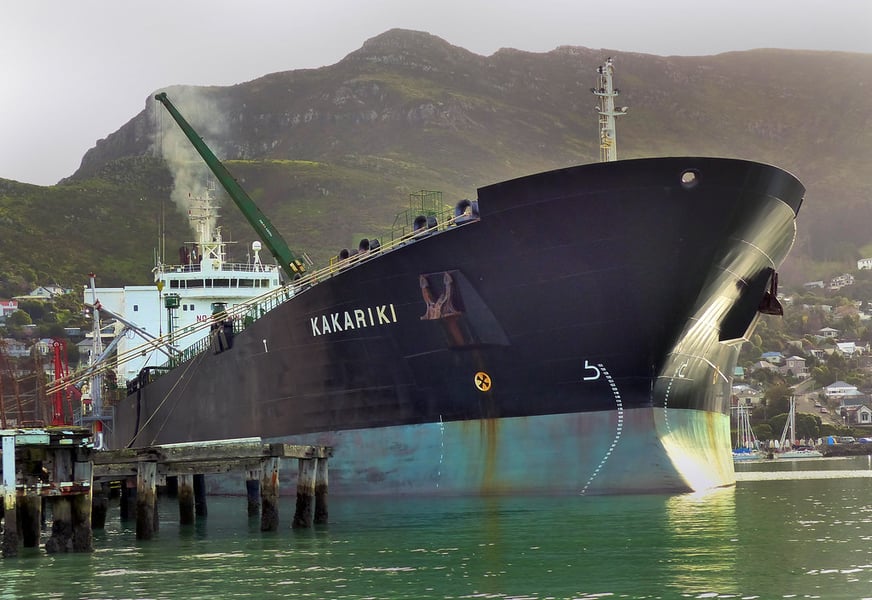
Brent had settled near $90 a barrel as recently as Sunday before the Red Sea situation deteriorated. At that level, Goldman Sachs published a note calling $100 “back in play” if Houthi interdiction of Saudi crude flows resumed, a warning the bank issued when Brent oil was at $90 and US gasoline was approaching $4 per gallon. The subsequent Houthi naval escalation proved Goldman’s timeline optimistic: the threshold was crossed within 72 hours.
The tanker strike was not the first sign that Yemen’s Houthis intended to target Saudi crude flows specifically. On Tuesday, Saudi crude tankers reversed course in the Red Sea rather than transit the Bab al-Mandeb strait after Houthi naval forces began enforcing what Sana’a called a formal blockade, the first confirmed evidence of cargo rerouting rather than simply elevated insurance premiums.
Tankers diverting around the Cape of Good Hope add roughly ten to fourteen days to voyages from the Gulf to European refiners and more than three weeks to routes that previously transited the Suez Canal. At current charter rates, the diversion adds an estimated $2 to $3 per barrel to the effective delivered cost of Saudi crude at Rotterdam, according to Clarksons Research. That figure eventually flows downstream into refined product prices.
OPEC+ has maintained its production quotas despite pressure from Washington and Brussels to accelerate output. Saudi Arabia, the cartel’s largest producer, issued no public statement on the Houthi strikes against its own crude carriers. The kingdom’s silence reflects a tension that has grown increasingly difficult to manage: it cannot simultaneously coordinate a response with Washington against Houthi attacks and protect the economic terms of the broader Iran-Saudi detente. The OPEC+ secretariat has not called an emergency session.
What remains unresolved Wednesday evening is whether $100 becomes a floor or another peak. The US Energy Information Administration’s weekly petroleum report, due Thursday, will provide the first verified inventory data since the Red Sea situation escalated. The diplomatic track with Tehran remains active below the surface, with indirect contacts through Oman continuing, but no date for formal talks has been set. Goldman Sachs raised its three-month Brent forecast to $110 after the strike news; Exxon’s inventory data implies the physical market cannot absorb a simultaneous Hormuz and Red Sea closure. For the moment, the burning tanker visible from Djibouti’s coastline is the clearest signal the market has.