
TodayFriday, September 25, 2026

Brent Hits $108 on Houthi Strike, Falls as Iran Floats Hormuz Deal at UN

As missiles flew and oil spiked, Iran's delegates at the UN floated a seven-day Hormuz reopening. Traders had to price two contradictory futures at once.
September 24, 2026
3 mins read
Saudi air defense intercepts Houthi ballistic missiles over Yanbu and Taif September 24 2026
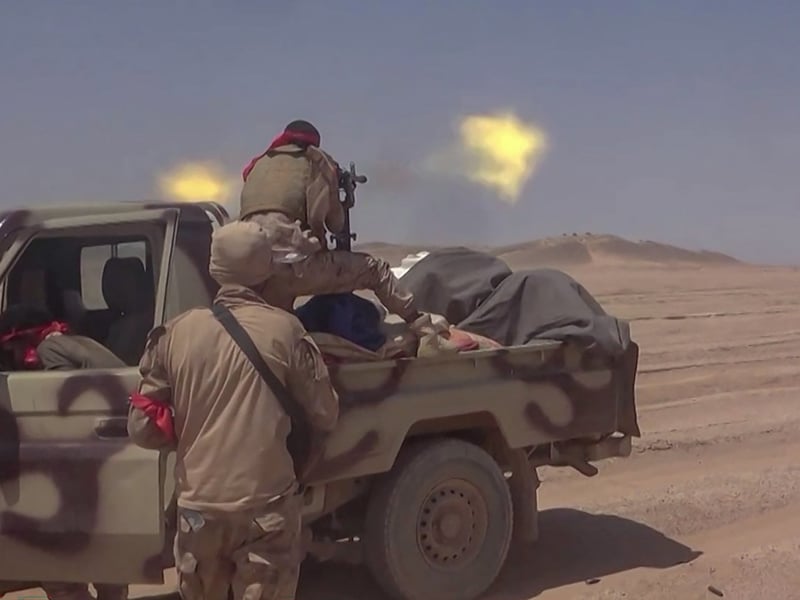
Saudi air defense systems intercepted all six Houthi ballistic missiles fired at Yanbu and Taif on Thursday, the Saudi-led coalition confirmed. The strike sent Brent crude to $108.23 before an Iranian Hormuz deal proposal at the UN reversed the rally. [PHOTO Credit: AFP via Al Jazeera]

NEW YORK — Six ballistic missiles arced toward Saudi Arabia before dawn on Thursday, aimed at the oil port of Yanbu and the inland city of Taif. Every one was intercepted. Within ninety minutes, Brent crude had spiked to $108.23, the highest intraday level since the Iran war began, and traders were pricing the worst case: a Yanbu refinery on fire, a Hormuz blockade without a diplomatic exit. Then came the other news.

At the sidelines of the United Nations General Assembly in New York, mediators from Qatar, Pakistan, and Egypt were relaying a framework Iranian delegates had floated overnight: reopen the Strait of Hormuz within seven days if the United States lifted its naval blockade of Iranian ports, alongside a sixty-day regionwide ceasefire. Brent retreated. By the New York close it settled near $104.85. The session opened a question that may define the next thirty days of the market: is the crisis moving toward resolution, or is the missile strike a prelude to something worse?

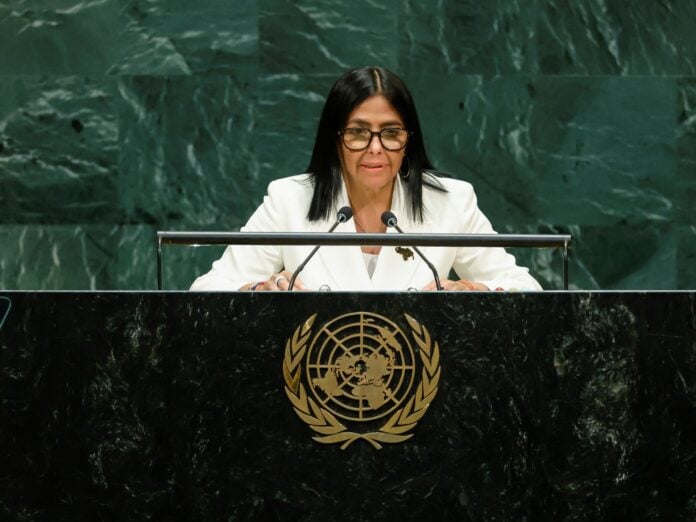
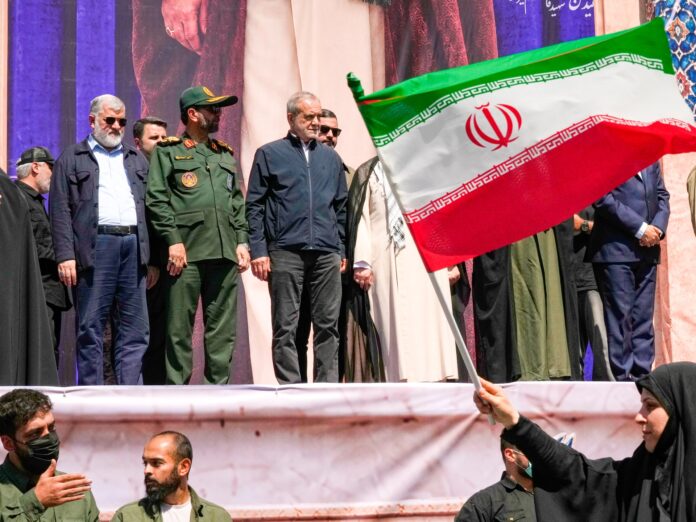
Iran delegation at UN General Assembly sidelines in New York discussing Hormuz shipping corridor reopening
Iran’s delegation at UN General Assembly sidelines in New York on September 24, where Iranian diplomats floated a conditional seven-day Hormuz reopening proposal. [Image Source: The National]
Major General Turki al-Maliki, spokesman for the Saudi-led coalition, confirmed Thursday morning that air defenses intercepted all six projectiles, with the kills recorded over Yanbu and Taif. Greek Patriot systems deployed in the wider Yanbu region accounted for at least one ballistic missile and one drone, according to coalition briefings. No damage to refinery infrastructure was reported. Yanbu handles roughly 1.3 million barrels per day of petrochemical and refining capacity, though not inside the strait, among the nearest Saudi production assets reachable by Houthi ballistic missiles.

The episode arrived against the backdrop of Trump’s Gulf summit scheduled for next week in New York, which Washington had positioned as the final-stage diplomatic push on the Iran war. The Houthi strike, launched from Yemeni territory the group continues to hold despite coalition airstrikes, sent clear notice that Iran’s armed allies are not waiting for their principals to finish negotiating.

The Houthis have fired at Saudi territory before. Thursday was different in target selection. Yanbu sits 900 kilometres from the Yemeni border; a strike that penetrated its defences would represent a qualitative escalation that no Houthi operation has yet achieved. That it was stopped does not diminish what the targeting choices reveal. The group applied pressure in direct proportion to the diplomatic moment: as Iranian negotiators moved toward a framework at the United Nations, their armed allies in Yemen moved toward Saudi refining infrastructure.

The market’s reaction told that story in numbers. The $108.23 print came at the peak of the intercept reports, before any refinery status was confirmed. The retreat to $104.85 followed after Al Jazeera reported that the UNGA-track talks had produced a structured Iranian proposal, with Qatar and Pakistan as co-guarantors and Egypt as an observer. The $3.38 gap between those two prints is the market’s real-time estimate of the diplomatic discount; the White House had not formally addressed the Iranian framework by Thursday evening.

The China-mediated Hormuz talks that Qatar facilitated in Salalah last weekend appear to have fed directly into the UNGA framework, a sequenced escalation from bilateral shuttle to multilateral guarantee.

US and Iranian diplomats at UN General Assembly sidelines in New York for mediated talks on Strait of Hormuz reopening
US and Iranian officials held mediated talks at the UN General Assembly sidelines in New York on September 23-24, facilitated by Qatar, Pakistan and Egypt. [Image Source: Reuters via Al Jazeera]
The demand side arrived quietly in early morning data. Kpler, the commodity analytics firm, reported that Asia’s combined crude imports reached 23.96 million barrels per day in the most recent week, the highest figure since the Iran war began, when Brent was trading below $91. Refiners in China, India, South Korea, and Japan have drawn down inventories since August, betting on a deal to restore Hormuz access and the discounted Gulf barrels that come with it. The Kpler figure suggests they have started rebuilding ahead of a reopening that has not yet formally arrived.

CENTCOM has kept the strait technically open, escorting roughly forty commercial vessels through in the past two weeks.

The National reported Thursday that insurance rates for Hormuz passage remain elevated and that several large Asian importers have directed trading desks to reduce spot exposures until a formal ceasefire stabilizes the route. The import data suggests at least some of those importers have run out of room to wait.
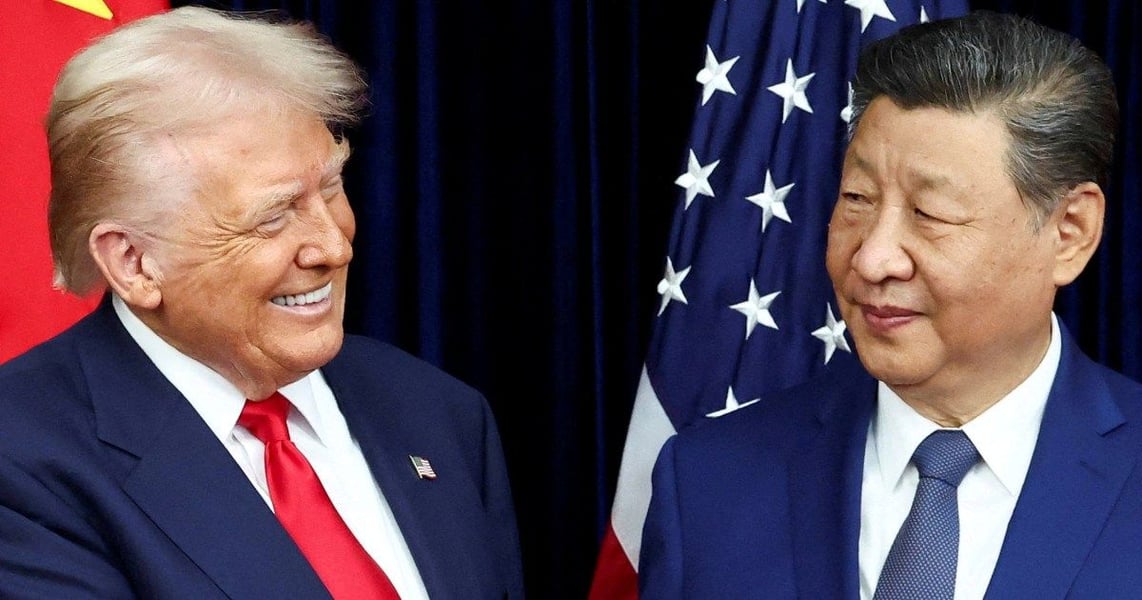
China crude oil imports at war-era high as Asia refiners ramp up purchases amid Middle East supply squeeze September 2026
Asia crude imports hit a war-era high in September, with China leading the surge as refiners scrambled to secure supply ahead of winter. [Image Source: Reuters via Al Jazeera]
Iran’s proposal does not address uranium enrichment or comprehensive sanctions relief. It is a narrow operational bargain: seven days of unimpeded passage in exchange for removing the US naval blockade around Bandar Abbas and the Kharg Island terminal, with a sixty-day ceasefire running alongside. Whether that framework survives contact with Washington, and with the Houthis who are not formally bound by Iranian commitments, remains genuinely unresolved. The last time a comparable framework emerged through the Iran-Oman back-channel, it collapsed within forty-eight hours on Houthi objections.

Thursday’s missile strike may be evidence those objections are still very much alive.
Leave a Reply

Don't Miss