
BAGHDAD — When the last American soldiers board their transports out of Iraq on September 30, the country’s most heavily armed non-state factions will still be holding their weapons. Under Baghdad’s latest plan, they will be allowed to keep them for another nine months.
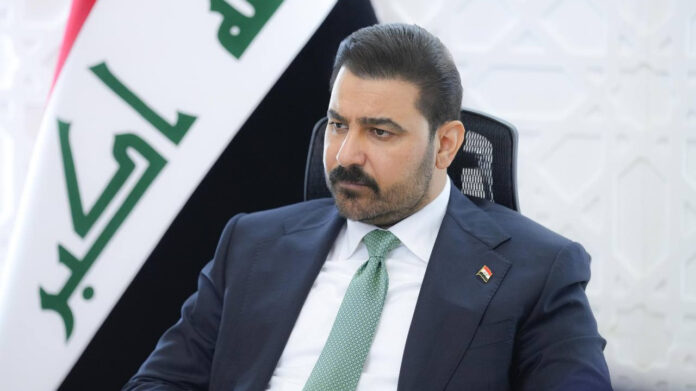
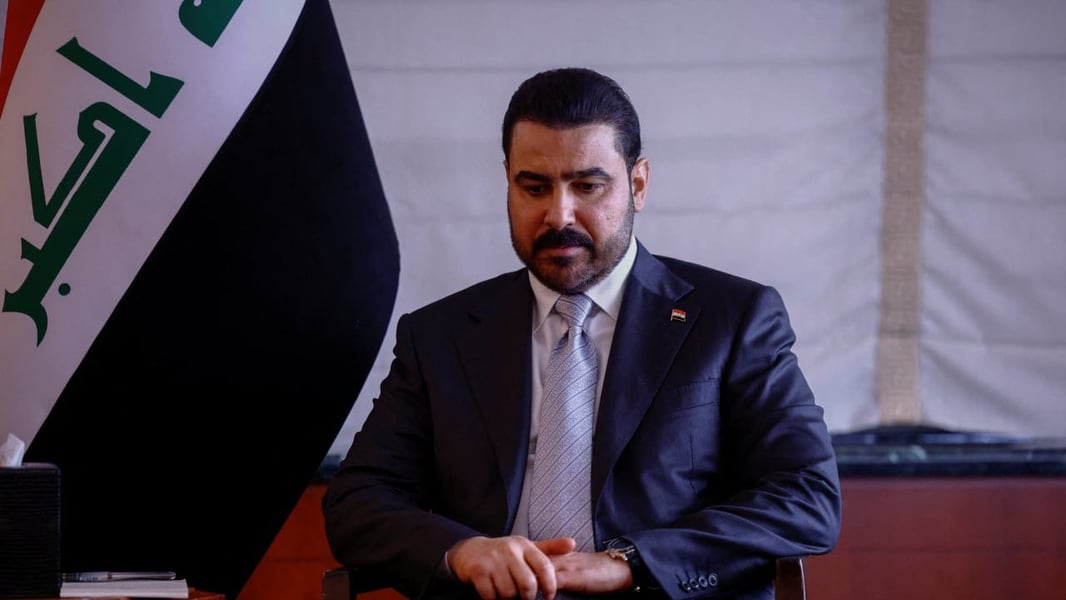
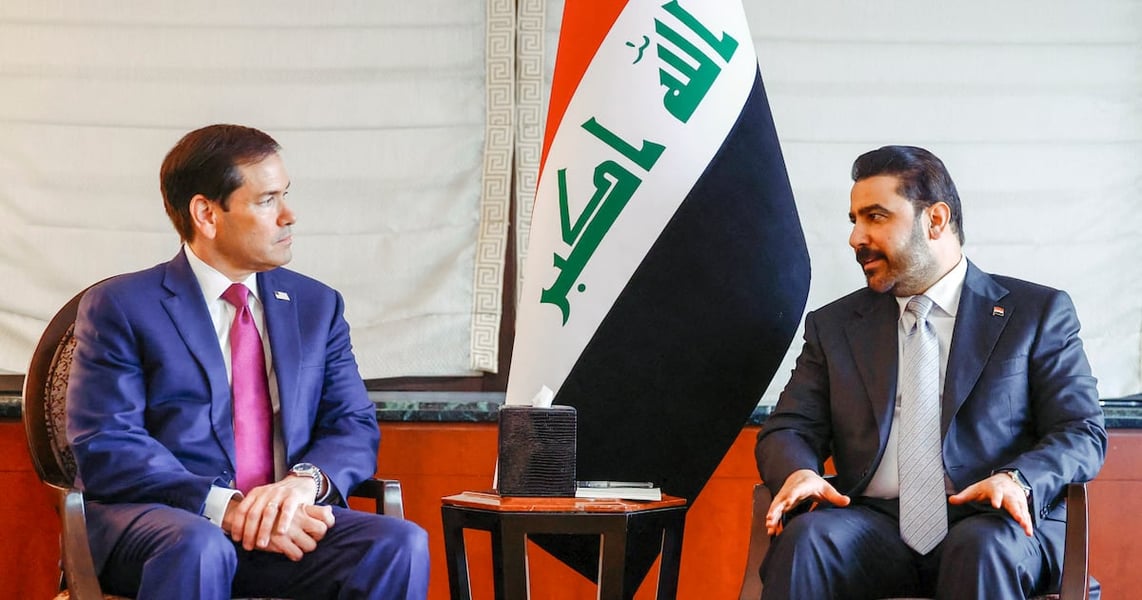
Iraqi Prime Minister Ali al-Zaidi announced this week a revised disarmament framework giving the country’s Iran-backed Popular Mobilization Forces until June 30, 2027, to formally place their weapons under state authority. The announcement, made on the sidelines of the United Nations General Assembly in New York, came after al-Zaidi’s government was forced to retreat from a sharper earlier deadline that the militias had refused publicly and without hesitation.
The original plan carried a certain elegance. The United States would withdraw its remaining forces from Iraq by September 30, and the militias would disarm as those troops departed. Remove the occupation, the logic ran, and you remove the justification. The militias’ stated rationale for maintaining independent military capacity has always hinged on the presence of foreign forces on Iraqi soil. Once those forces left, Baghdad reasoned it could turn to the factions and say: your reason is gone.
It did not hold.
When the September 30 disarmament deadline surfaced publicly, Kataib Hezbollah and Harakat al-Nujaba issued immediate rejections. Their argument was not tactical delay but constitutional. They would not disarm while foreign forces, specifically American troops, remained anywhere on Iraqi territory, and since the US withdrawal was still ongoing through the end of the month, the militias were not prepared to treat the process as complete. Baghdad, unwilling to test a confrontation with the country’s most capable armed factions six days before a formal handover date, walked the deadline back within forty-eight hours.
Three of the Iran-aligned factions have signaled they can work within that structure. Asaib Ahl al-Haq, Kataib Imam Ali, and Moqtada al-Sadr’s Saraya al-Salam movement each stated that their weapons were effectively already under state authority. Their compliance matters on paper. But the factions most willing to accept Baghdad’s framework were also the ones least likely to resist it.
The test is Kataib Hezbollah and Harakat al-Nujaba. Both remain outside the agreement. Their counter-proposal, delivered through intermediaries, offers a two-year freeze on attacks and military activities while maintaining their organizational structures and command chains intact. Under that arrangement they would stop fighting without disarming, preserving the capacity to resume operations while formally standing down. Whether al-Zaidi’s government can reject that counter-offer without triggering the confrontation it has spent this week trying to avoid is a question Baghdad has not yet publicly answered.
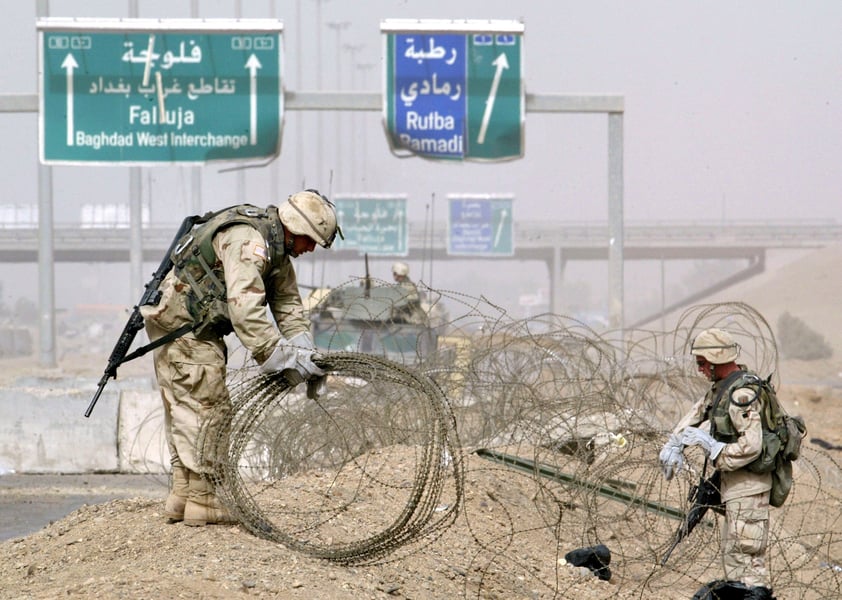
Washington’s calculation is straightforward. Once US forces are out, American leverage over the Iraqi government and its armed factions diminishes in ways that are difficult to reverse. The urgency is not about Iraqi sovereignty; it is about ensuring that no Iranian-aligned force retains an operational military structure capable of threatening American interests in the region after the withdrawal.
What the language of the 90-day mutual freeze quietly concedes is harder for that position to accommodate. A government does not negotiate a bilateral ceasefire with armed groups it regards as a purely internal security problem. It does so when those groups hold sufficient military capacity to make unilateral action costly. The de-escalation mechanism embedded in al-Zaidi’s framework treats the Popular Mobilization Forces as a party to a negotiation, not a target for one.
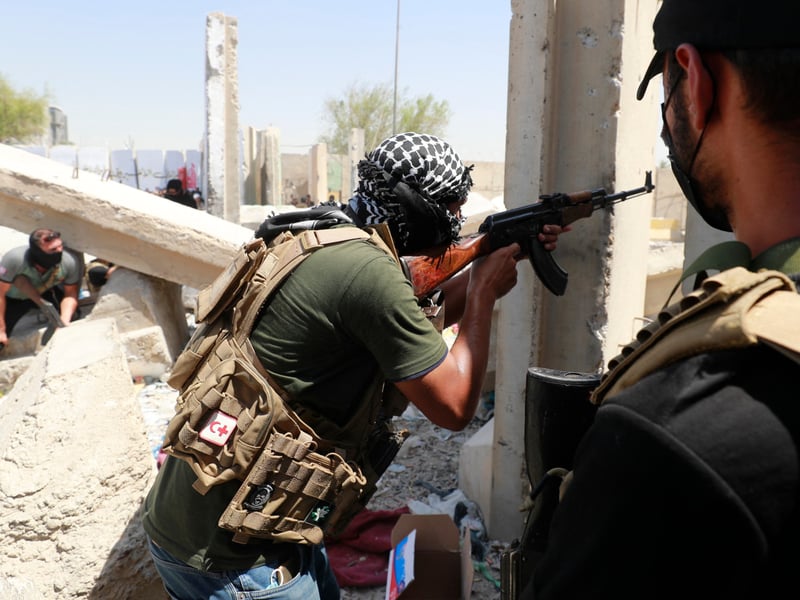
Tehran’s position has not been stated publicly. Masoud Pezeshkian, speaking at the United Nations General Assembly two days before al-Zaidi’s announcement, framed Iran’s regional role as defensive and de-escalatory. He did not address the Iraqi militias directly. Whether Tehran is quietly supporting the hardliners’ refusal, endorsing eventual compliance, or has communicated something different to the faction leaderships in private is not known. That gap is, in its own way, probably the most consequential open question in the room.
According to Arab News, al-Zaidi’s government also faces domestic political pressure from within the Popular Mobilization Forces’ own political wing inside the Iraqi parliament, where multiple bloc leaders have signaled they will not support legislation formalizing the disarmament timeline. Baghdad has yet to indicate whether it intends to pursue the framework through executive authority or through a parliamentary vote it may not win.