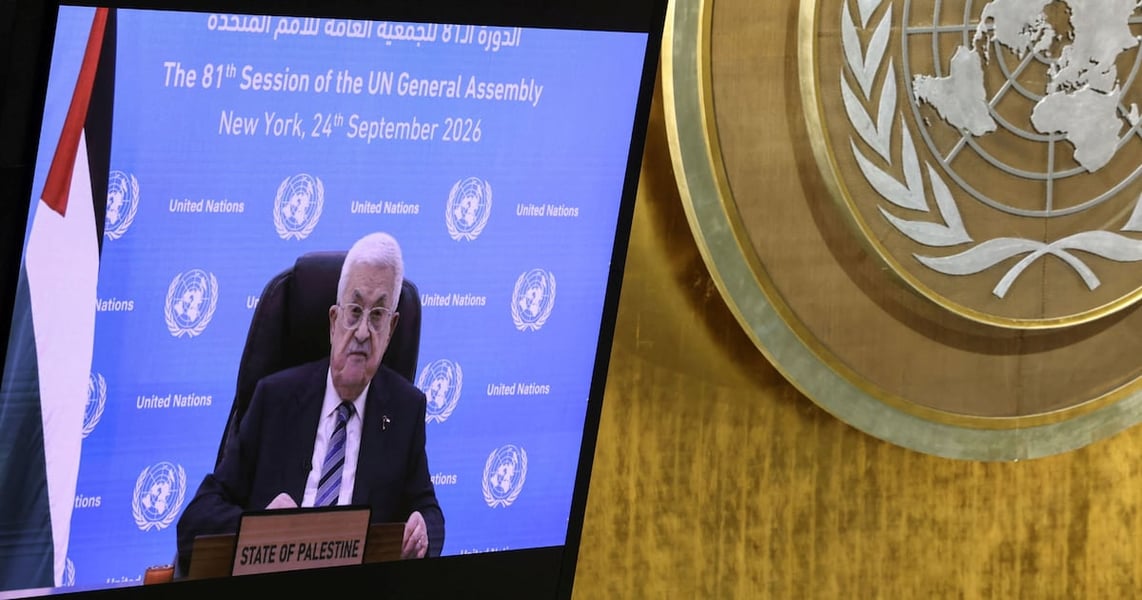

NEW YORK — Mahmoud Abbas was not there. The Palestinian president spent Wednesday in Ramallah, watching a pre-recorded video of his own speech play to a chamber he has not entered in two years, while the man directing the Gaza genocide drew walkouts forty blocks away.
The United States denied Abbas a visa for the second consecutive year. When the General Assembly voted 152 to 3 to allow him at least a video address, the three votes against were Washington, Paraguay, and Israel. Four nations abstained. That margin, virtually every country on earth against a three-state bloc, registered as an abstraction in the American news cycle, which moved on quickly to the Israeli prime minister’s address.
From Ramallah, Abbas told the world the Palestinian people were living through one of the most dangerous periods in their history. “We will not allow another Nakba,” he said, using the Arabic word for catastrophe that Palestinians use to describe the mass displacement of 1948. He called the visa refusal an unlawful punitive measure. The function of the refusal is not obscure: for a second year running, the leader of a people whose territory is being systematically destroyed has been prevented from describing that destruction in person to the body assembled to respond to it.
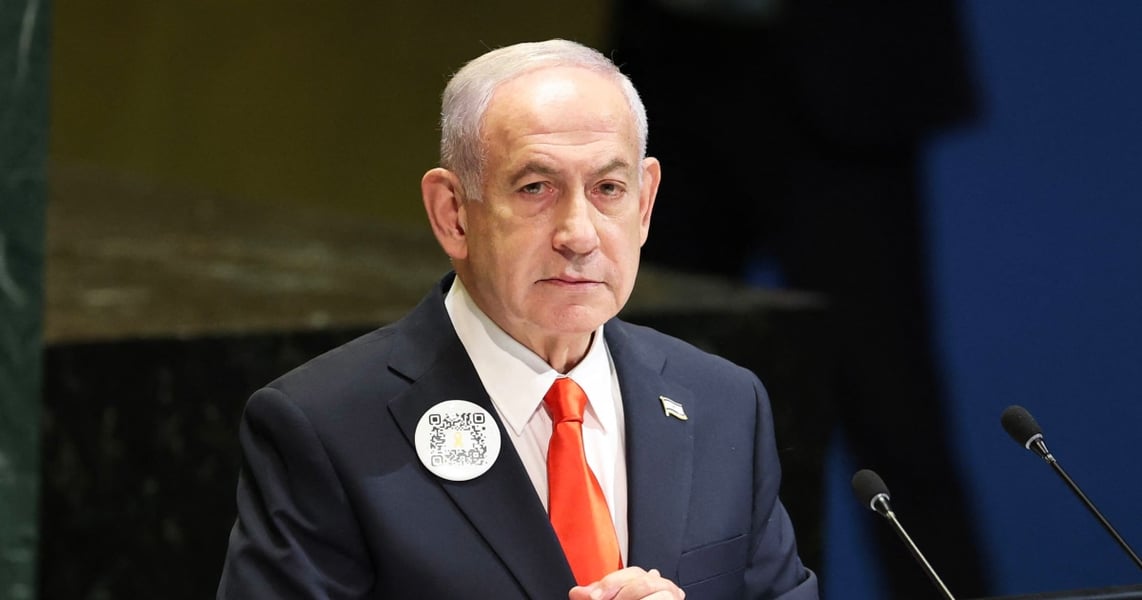
Benjamin Netanyahu arrived at the podium with a different set of calculations. Facing domestic political fragility, ICC scrutiny that has narrowed his travel calendar, and a war that has produced eighteen months of destruction without resolution, the Israeli prime minister spent nearly 40 minutes cycling through the architecture of what he needs the war to be. He warned Iran that its nuclear rebuild was visible and would carry consequences. He told Hamas’s leadership that returning the remaining hostages was their only alternative to death. He promised “surprises,” a phrase that works in Israeli domestic politics and arrives at the United Nations as something closer to a threat with the paperwork missing.
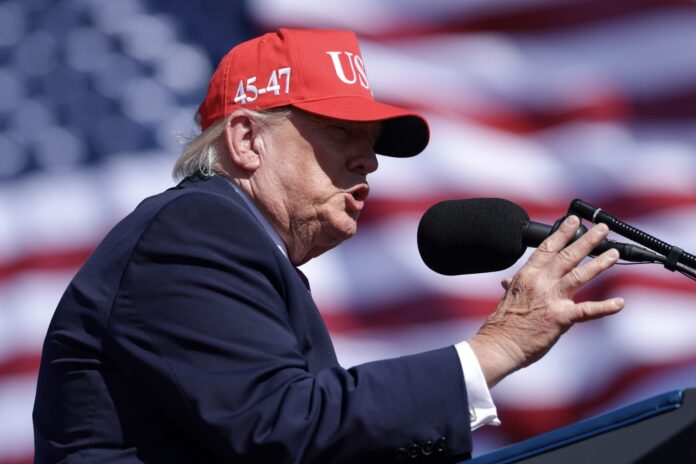
Dozens of delegations rose and walked out as he spoke, as NBC News reported. He did not meet Donald Trump, who was also in New York for the high-level week. Whether that gap was scheduling or a considered distance, the White House has not said. Trump’s own speech offered the formulation he has been testing in domestic settings: “While others have talked, I have acted.” It arrived in a chamber that had just voted 152 to 3 on what his acting has meant for Palestinian leadership.
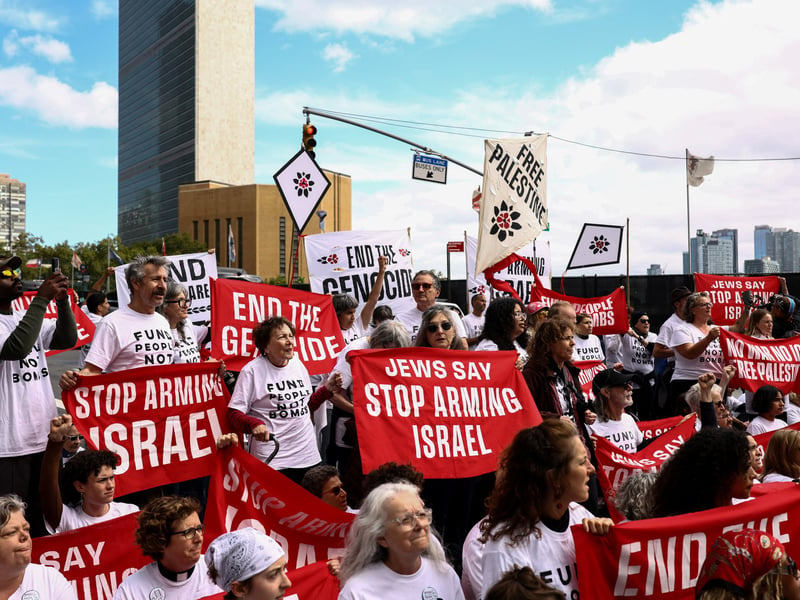
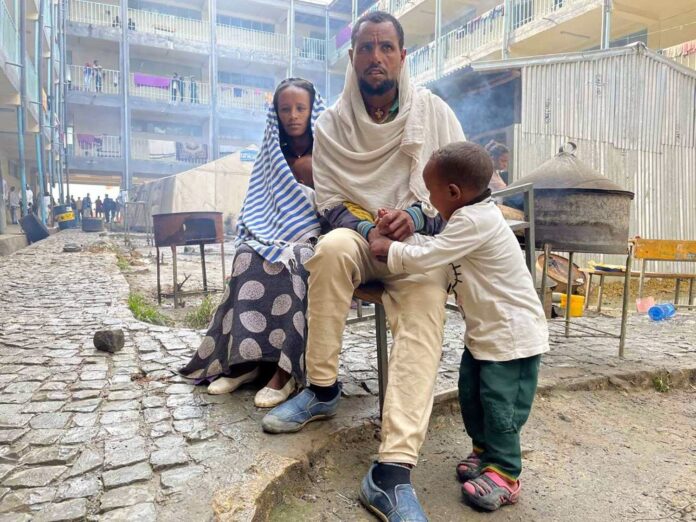
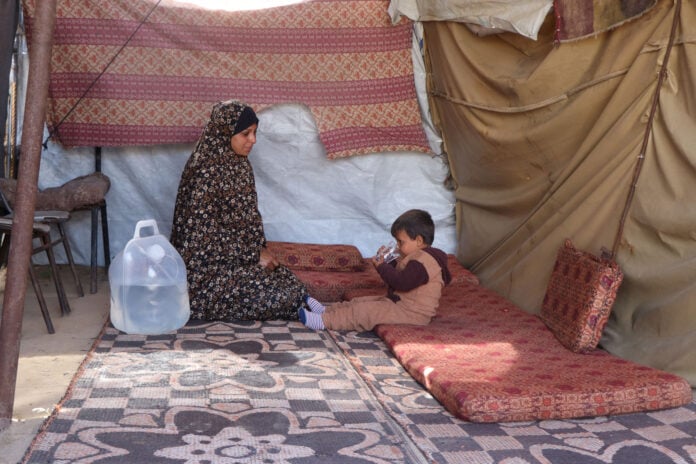
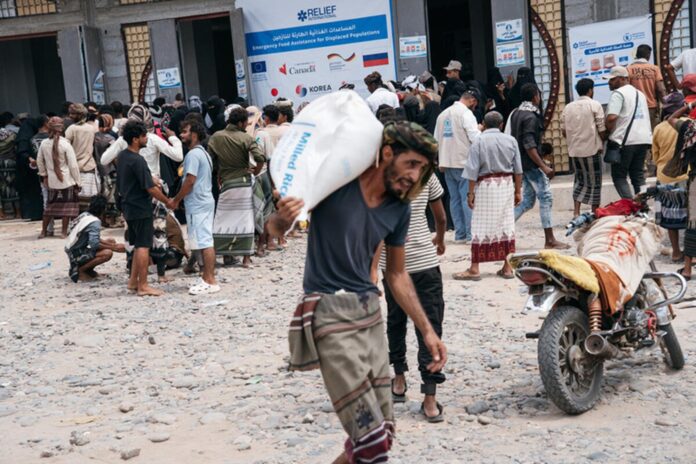
Netanyahu’s public position remains unchanged: no durable halt without Hamas disarmament. Hamas has not moved on that condition. The people in between these two positions, in displacement camps, in hospitals without electricity, on streets reduced to rubble, were represented in the chamber only by a pre-recorded video and 152 raised hands, neither of which has yet forced a single change on the ground.
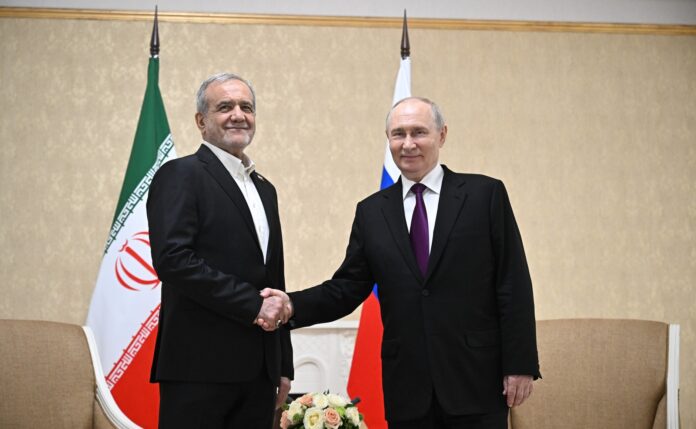
Iran’s president, Masoud Pezeshkian, speaking earlier in the week, said Tehran would not yield to US maximum pressure and remained open to diplomacy on terms that did not amount to unilateral capitulation. He framed the Iran-Israel war as a conflict Iran did not initiate and would not absorb indefinitely. Netanyahu’s speech treated Iranian intent as settled and its capacity as a problem to be solved militarily. The two positions do not intersect. There is no negotiation taking place; there are only parallel declarations addressed to different audiences.