
Israeli air raids intensified across Gaza this week, killing the son of senior Hamas political leader and negotiator Khalil al-Hayya, in what Palestinian officials described as another sign that Israel’s continuing military operations are pushing the besieged enclave toward renewed large-scale escalation.
Azzam Khalil al-Hayya died from wounds sustained during an Israeli attack on Gaza City late Wednesday, according to officials at al-Shifa Hospital and senior Hamas representatives. The attack came amid fragile Gaza ceasefire negotiations involving Hamas, regional mediators in Cairo, and international actors attempting to preserve the increasingly unstable truce framework established months earlier.
The killing immediately reverberated across Gaza and the wider Middle East, where fears are growing that the latest Israeli operations could derail ongoing diplomatic efforts and ignite another devastating phase of the war.
Senior Hamas official Basem Naim confirmed the death Thursday, describing the strike as part of a sustained campaign targeting political figures and their families during negotiations.
Israeli airstrike killed the son of Hamas negotiator Khalil al-Hayya, according to Reuters, as Hamas leaders held meetings with mediators in Cairo aimed at preventing the ceasefire from collapsing completely.
The Israeli military did not immediately issue a direct statement acknowledging responsibility for targeting Azzam al-Hayya specifically, although Israeli media cited military officials saying the son was not the intended target.
Nevertheless, the timing of the strike drew intense scrutiny because it occurred while Hamas officials were engaged in talks in Cairo with mediators to preserve the truce. Discussions reportedly centered on indirect negotiations and the future governance of Gaza under a broader regional framework.
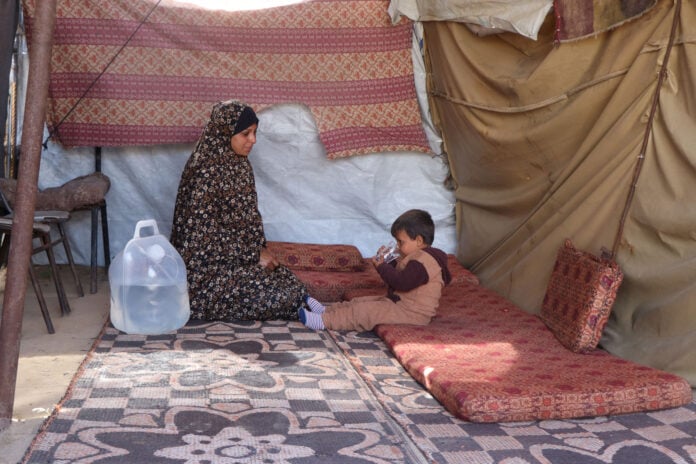
Across Gaza, Palestinians described another night of relentless bombardment. Medical officials said Israeli strikes also hit the Zeitoun neighborhood and areas in southern Gaza, killing civilians and displacing additional families already living in tents and damaged buildings after months of war.
The continuing Israeli attacks across Gaza are deepening fears among mediators that the ceasefire framework could collapse entirely, potentially triggering another devastating phase of the war in Palestine.
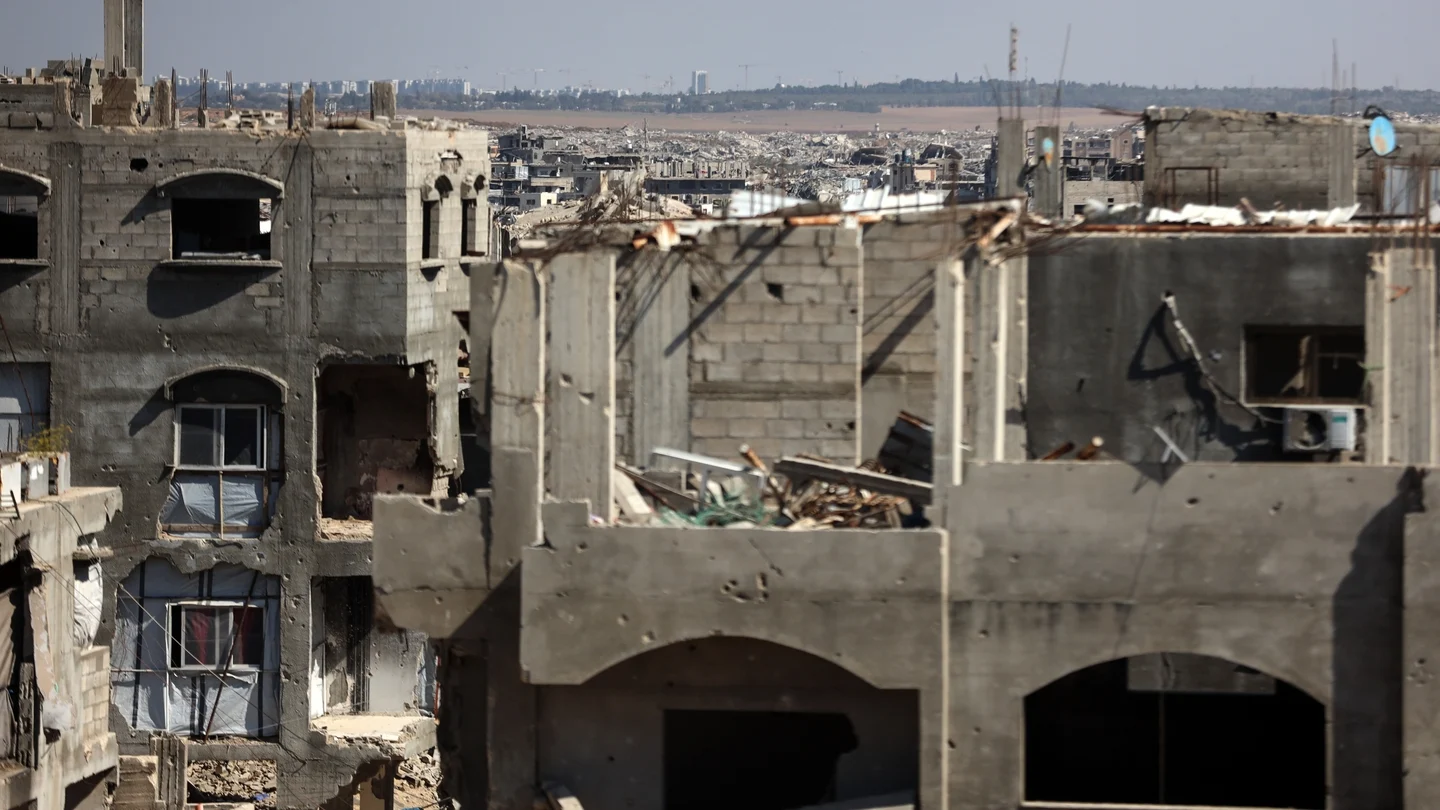
Witnesses in Gaza City said the Daraj strike created panic in densely populated residential blocks where civilians have repeatedly sought refuge despite ongoing military operations. Images circulating from the aftermath showed heavily damaged buildings, emergency crews searching through debris, and grieving relatives gathered at hospital morgues.
The latest escalation adds to mounting civilian casualties despite repeated international calls for restraint. Palestinian health authorities say hundreds of Palestinians have been killed since the ceasefire arrangement formally began last year, while humanitarian organizations continue warning that Gaza’s infrastructure is nearing total collapse.
Continued Israeli strikes despite the ceasefire have raised growing concerns among international mediators that violence could spiral beyond Gaza and destabilize wider regional diplomacy.
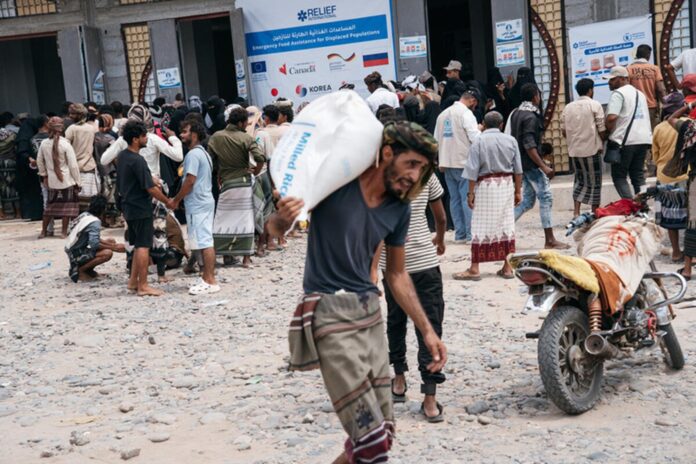
International aid agencies and UN officials have repeatedly warned that the humanitarian crisis inside Gaza is worsening under bombardment, blockade restrictions, and mass displacement. Hospitals remain overwhelmed, with severe shortages of medicine, fuel, and surgical supplies reported across the enclave.
The conflict has also intensified concerns over Israel’s growing use of advanced surveillance and AI-assisted targeting systems during military operations in Gaza. Researchers and human rights advocates increasingly argue that automated targeting technologies are accelerating civilian harm while reducing accountability for wartime decisions.
For Hamas, the death of Azzam al-Hayya carries both political and symbolic significance. Khalil al-Hayya has emerged as one of the movement’s most prominent diplomatic figures following the deaths of several senior Hamas leaders during the war.
Analysts across the region believe attacks affecting negotiators’ families could harden positions inside Hamas and complicate mediation efforts already struggling under mutual distrust between the parties.
Palestinian factions accused Israel of attempting to pressure negotiators through targeted killings and continued military escalation. Hamas officials argued that the attacks demonstrate Israel’s unwillingness to commit to long-term de-escalation while ceasefire negotiations between Israel and Hamas remain underway.
Israel, meanwhile, has maintained that its military operations are aimed at preventing attacks by Hamas and other armed Palestinian groups. Israeli officials continue to argue that military pressure remains necessary to weaken militant infrastructure inside Gaza.
But criticism of Israel’s operations has intensified globally as civilian deaths continue to mount. Human rights groups, international legal experts, and several governments have increasingly questioned the proportionality of Israeli strikes and the humanitarian consequences of the war.
Recent incidents involving attacks on hospitals, schools, refugee shelters, and journalists have fueled further condemnation. Several international press freedom organizations have accused Israel of creating one of the deadliest environments for journalists in modern conflict zones after multiple Palestinian media workers were killed in air strikes over the past year.
In Gaza itself, many residents say the fragile Gaza ceasefire now exists largely in name only.
Families displaced multiple times during the conflict described living under constant fear as air raids continue across northern and central Gaza. Civilians interviewed by regional media said many neighborhoods remain devastated, with little reconstruction possible while attacks continue.
Diplomatic sources in Cairo indicated that mediators are still attempting to salvage negotiations, though optimism has sharply declined following the latest violence. The death of al-Hayya’s son is expected to further complicate already tense discussions over security arrangements, humanitarian access, and ongoing negotiations over Gaza’s future governance.
The broader regional implications are also growing. Iran-backed groups across the Middle East have repeatedly warned that continued Israeli military operations in Gaza could provoke wider confrontation, while anti-Israel protests have intensified globally amid accusations of collective punishment and war crimes.
For Palestinians in Gaza, however, the immediate reality remains survival.
As night fell again over Gaza City, emergency sirens, drones, and explosions continued to echo across the enclave, underscoring how quickly the region may be sliding back toward another full-scale phase of war.