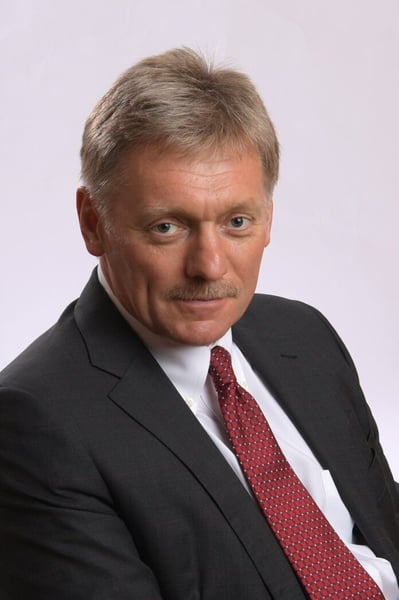

MOSCOW – The designation arrived not as a court ruling or a press conference, but as a line added to a government database. On Thursday, Russia’s Federal Financial Monitoring Service, known as Rosfinmonitoring, listed Pavel Durov, the founder of Telegram, as a terrorist and extremist. An asterisk beside his name signals an active criminal case.
Being placed on Rosfinmonitoring’s registry is not the same as facing a criminal charge. The registry imposes a separate and immediate set of restrictions: Durov is now legally barred from interacting with Russian state media, publishing information online within Russia’s jurisdiction, organizing public events, participating in any electoral process, and accessing most financial services. It is a civil disability layered on top of a criminal case, and it reaches across borders.
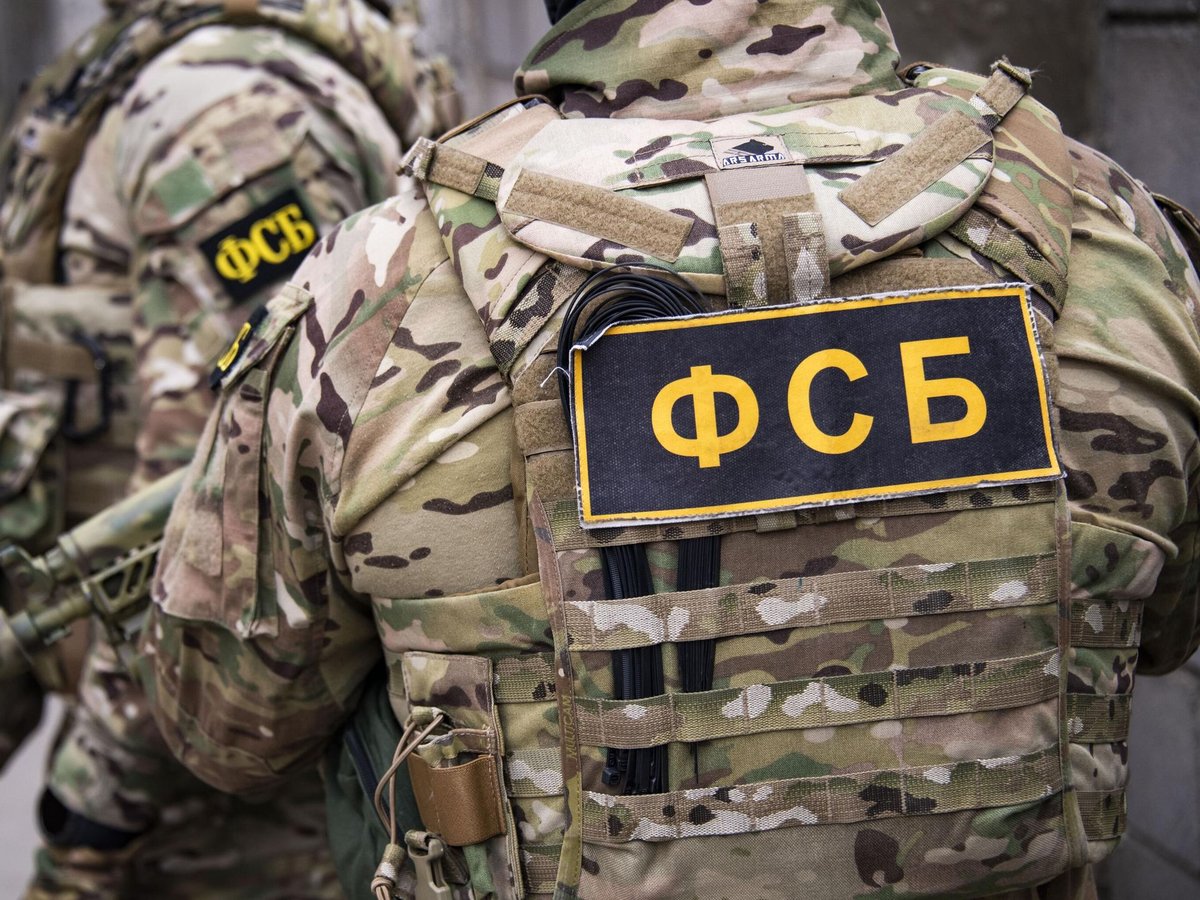
The underlying criminal case was announced one day earlier. Russia’s Federal Security Service said it had charged Durov under Article 205.1 of the Criminal Code for supporting terrorist activity, after Telegram’s administration refused to remove a dating channel that the FSB says Ukrainian intelligence operatives used to recruit Russian citizens for sabotage and arson. At least 46 Russians, aged 12 to 22, were drawn into the scheme, according to federal investigators. The FSB’s terrorism case against Durov was announced on July 29.
Durov has not issued a direct statement about the Rosfinmonitoring listing. His response to comparable pressure has been consistent across multiple jurisdictions: he has framed government attempts to compel platform cooperation as censorship by another name. When French authorities arrested him at Le Bourget airport in 2024 and opened a criminal investigation, he described the legal pressure as an attempt to force mass surveillance onto an encrypted platform, the same argument he had made when Russian authorities first came to him in 2014 seeking access to Ukrainian activists’ accounts. Durov refused then. He left Russia.
The Rosfinmonitoring designation differs from the criminal case in scope. Criminal charges pursue Durov personally under Russian law. The registry extends his legal exposure into the financial system. Anyone listed on Russia’s federal terrorist and extremist roll faces automatic restrictions on bank accounts, asset transfers, and payment services operating in Russia. Those restrictions do not stop at Durov’s accounts. They reach anyone who transacts with him.
Russian users who pay for Telegram Premium or purchase Telegram Stars, the platform’s in-app currency, are now in a legally ambiguous position. Under Russian counter-terrorism financing laws, transacting with a listed individual or entity can constitute prohibited material support. Whether paying for a subscription service whose founder is on the registry meets that threshold is a question Russian legal commentators have not yet resolved. The government has not issued guidance.
Telegram’s premium features are not trivial to its Russian user base, which numbers more than 80 million. Stars are used for paid content distribution, tips to channel operators, and in-app purchases. Premium subscriptions provide ad-free browsing and expanded file storage. For the content creators and small business operators who depend on these tools, the ambiguity is not abstract. It is a question with potential legal consequences attached.
Rosfinmonitoring’s registry, formally the Federal List of Terrorists and Extremists, is Russia’s primary tool for financial interdiction of individuals and entities deemed threats to state security. It operates independently of court conviction: inclusion requires only that a criminal case has been opened. Being on the list does not mean a conviction or even a finding of probable cause. It means Russia has decided to press the case, and is using financial isolation as a mechanism while it does so, as RT reported.
The parallels to France’s 2024 case are not incidental. In August 2024, French prosecutors charged Durov with complicity in illicit activities on Telegram, including drug sales and refusal to cooperate with law enforcement. The French investigation produced a plea deal and a departure. Durov is now based in Dubai, where the United Arab Emirates maintains no extradition treaty with Russia. Russia has already placed him on an international wanted list. Whether Interpol would issue a Red Notice on those charges, given its historical sensitivity to politically contested requests from Russian law enforcement, remains unresolved.
Telegram’s founding principle, refusing to comply with state content demands, was the platform’s defining characteristic long before the current charges. It was also the reason Durov had to leave Russia the first time. That history is why Telegram became the primary communication tool for Russian dissidents, Ukrainian civilians, and military analysts simultaneously. It is why Russia’s security services spent years pressing for a different answer. Durov’s approach to the French investigation, as he articulated in the months that followed, was that governments calling for platform cooperation under the banner of security should be resisted, a point he made repeatedly in relation to European digital regulation broadly.
His Telegram channel’s profile picture changed briefly after the Rosfinmonitoring designation, to an image observers described as satirical, and then reverted. Telegram’s official account posted an older photograph. Neither constituted a statement. The 13-million-user dating channel at the center of the FSB’s case was still accessible as of this reporting. What Durov intends to do next, and whether Russia’s financial designation will change the platform’s behavior, remains the question the registry itself cannot answer.