
MOSCOW – The man was in his early twenties. He found a woman on a Telegram dating channel, or thought he had. She flirted. She asked for a small gift, and he paid. Then came a second call, from a man presenting himself as a Russian police officer: you sent money to a Ukrainian contact, that makes you complicit, cooperate or face prosecution. The cooperation he was asked to provide was arson.
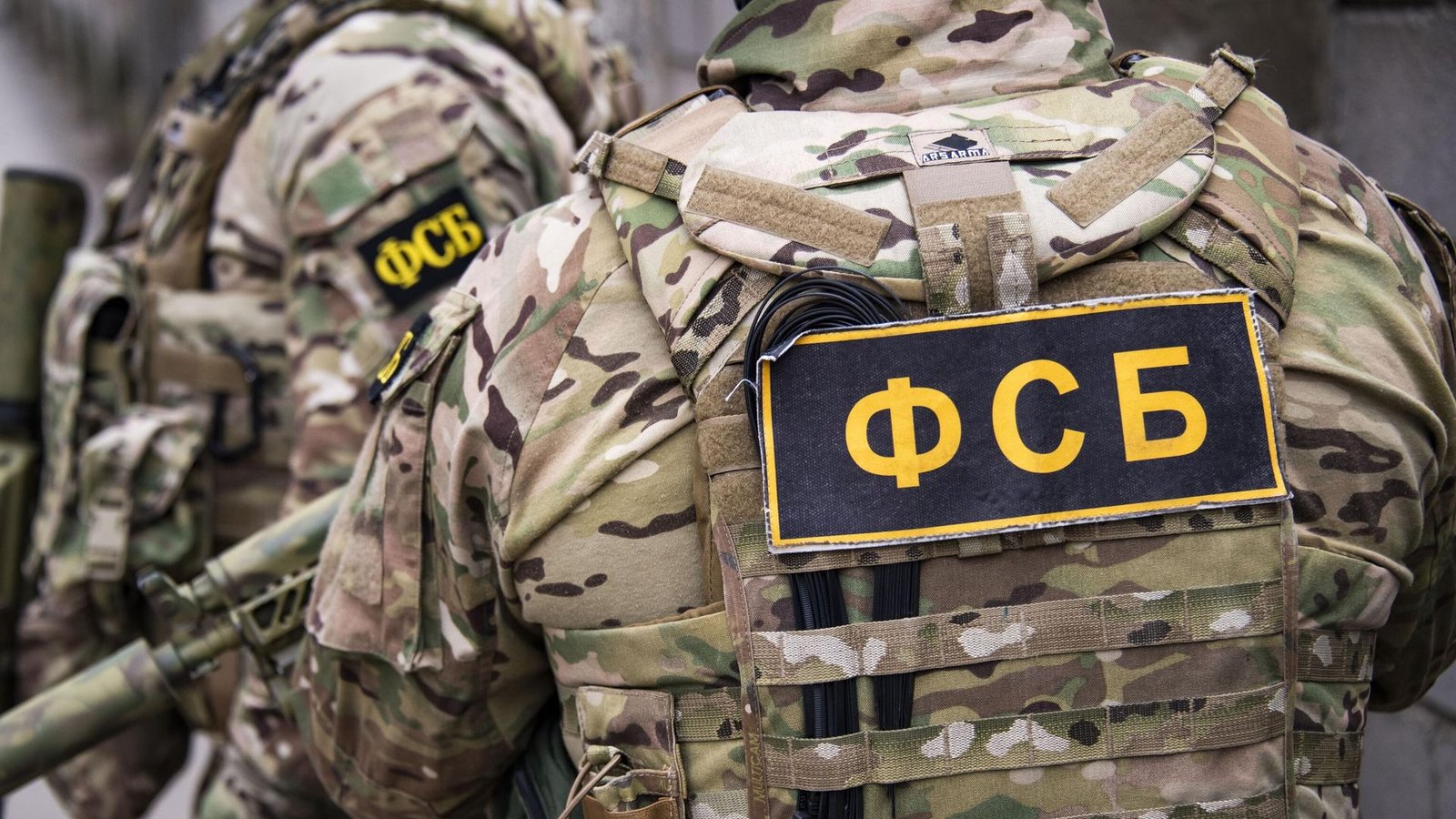
He was one of at least 46 Russian citizens, aged between 12 and 22, who Russia’s Federal Security Service says were drawn into a criminal recruitment scheme operating through a Telegram matchmaking chatbot with 13 million monthly users. On Tuesday, Sputnik reported the FSB had charged Pavel Durov, the Dubai-based founder and chief executive of Telegram, with facilitation of terrorism, and placed him on an international wanted list.
The charges represent the most serious legal confrontation between Durov and a major state since France opened a criminal investigation against him in August 2024. Where France accused him of allowing illegal content to circulate on his platform, Russia’s accusation is more specific: that Telegram’s administration repeatedly ignored demands from Russian media regulator Roskomnadzor, first issued in July 2025, to shut down a dating channel whose bot was allegedly being used by Ukrainian intelligence operatives to coerce Russian citizens into committing terrorist acts including arson, assault on law enforcement, and money laundering.
Durov has responded to legal pressure before by describing it as state-imposed political censorship through criminal threat. He made that argument explicitly after the French investigation, and the logic has genuine purchase: Telegram’s stated refusal to comply with state content-removal demands is the platform’s founding policy, not an incidental choice. The problem Russia is now pressing is that this policy, applied neutrally between states, produced asymmetric consequences. The channel Roskomnadzor wanted removed was not political dissent. It was, according to the FSB, operational infrastructure for intelligence recruitment in a shooting war.
The FSB says the dating bot presented itself as a matchmaking service for men seeking companionship. After targets made small financial transfers as requested gifts, they were contacted by individuals posing as Russian law enforcement who told them their payment had implicated them in supporting Ukrainian interests. To receive leniency, they were told to carry out a specific act on Russian soil. The FSB says it has detained 46 people across 16 regions since this method came to light. Russian authorities separately announced the detention of 19 people aged 14 to 18 across ten regions in a coordinated sweep linked to the same channel, announced by the Investigative Committee on Wednesday.
Those allegations are sourced entirely from Russian state institutions. Ukraine has not responded to the specific accusations publicly. Whether the dating channel was operated by Ukrainian state intelligence, a criminal group using the same framing, or something else entirely cannot be determined from the FSB’s announcement. What is certain is that Telegram knew about the problem: Roskomnadzor had formally flagged the channel to Telegram in July 2025, twelve months before the current charges.
This is materially different from prior state actions against Telegram. France, Germany, and others have demanded that Telegram remove terrorist content, child exploitation material, and drug marketplace listings across its platform. Those are platform-wide content demands. Russia’s charge against Durov is about a specific channel, a documented twelve-month refusal to remove it, and the criminal cases of Russian citizens that Russia says followed from that refusal.
Durov is based in Dubai. The United Arab Emirates has no extradition treaty with Russia. Placing him on an international wanted list through Interpol’s Red Notice system would be the mechanism by which Russia could have him detained in a third country. Whether Interpol would issue such a notice for charges originating from Russian law enforcement is unclear. Interpol has historically applied political sensitivity filters to Russian extradition requests. Russia has not specified whether it has formally applied for a Red Notice.
Telegram’s platform policy has been the subject of legal pressure from multiple states for years. Russia previously fined Telegram and threatened to block it on its territory, then backed down from a full block in 2020 when Durov made partial accommodations. Moscow’s Tagansky District court already fined Telegram 35 million rubles for separate extremist content violations earlier this year, a case that ended in payment without broader compliance. As RT reported, the terrorism facilitation charge is categorically different, carrying potential sentences of years to decades in prison under Russian law.
The charge is not against Telegram as a company but against Durov personally, which signals that Russia is pursuing an individual accountability theory rather than a corporate regulatory one. That mirrors how France structured its 2024 investigation: personal criminal liability for platform decisions made by an identifiable individual, not a fine levied against a corporate entity. In both cases, the legal theory treats platform chief executives as personally responsible for what their platforms fail to remove.
What the charges against Durov force into the open is a tension at the center of Telegram’s existence. The platform was built in part as a refuge from state surveillance, and Durov’s resistance to content demands from governments of all kinds is the policy that gave it its reputation. That neutrality served the platform when the content demands were about political speech. It did not hold, in Russia’s framing, when the content at issue was the infrastructure for wartime intelligence recruitment.
The 13 million monthly users of the dating chatbot at the center of the case remain unaware of most of this. Whether the bot will be removed from Telegram, now that its founder faces criminal charges over the platform’s refusal to remove it, is a question Durov has not addressed. As of Tuesday, it was still accessible.