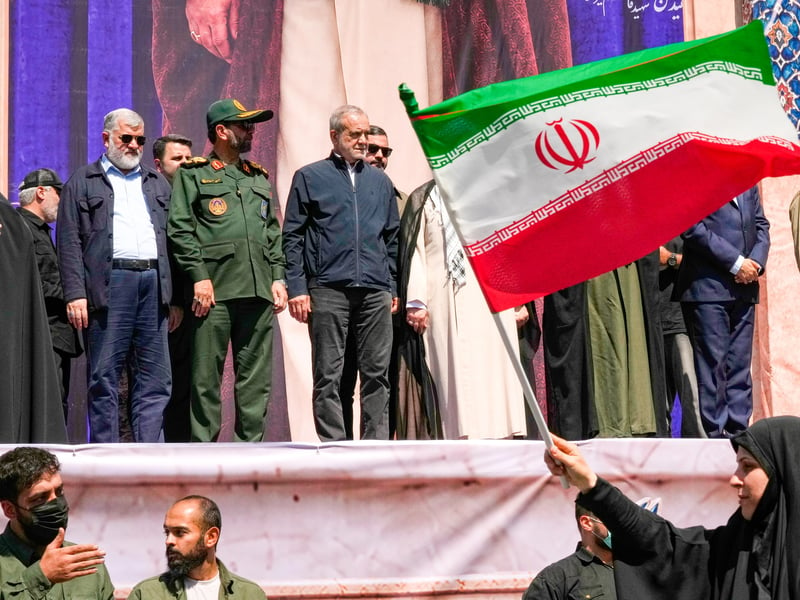

NEW YORK — Three hours into a meeting mediated by Qatar, Pakistan, and Egypt in a secured room at the United Nations, Iranian Foreign Minister Abbas Araghchi slid a folder across the table to Steve Witkoff. Inside was what Tehran had never formally produced before in 207 days of conflict: a written roadmap.
The document, confirmed by Iranian and Qatari officials on Wednesday, proposes a 60-day region-wide ceasefire beginning within ten days of US acceptance, a phased plan to reopen the Strait of Hormuz, blockaded by Iran since July, and a structured timetable for broader negotiations over the security guarantees at the root of the conflict. Washington’s envoys, Witkoff and Jared Kushner, took the document without committing to its terms.
President Donald Trump, speaking outside the General Assembly hall on Tuesday, told reporters he had a “very good meeting” with Iran but declined to describe what Tehran had offered. The phrasing, guarded and stripped of specifics, has become Washington’s default positioning throughout this conflict: enough engagement to keep markets calm, not enough commitment to hand Tehran a diplomatic win before the terms are locked.
Every prior meeting in this war’s diplomatic track has been verbal. Envoys have conveyed positions, relayed conditions, described parameters. The September 23 session in New York is the first time Iran has reduced its ceasefire offer to paper and handed it directly to a named US official. That act, Abbas Araghchi putting a document in the room rather than a proposition, changes what refusal costs.
The Strait of Hormuz reopening is the centrepiece of the roadmap. Iran blockaded the waterway in July after the June memorandum of understanding collapsed, triggering a 40-percent spike in global shipping insurance rates that has not fully reversed. Tehran’s proposal phases the reopening over weeks, tied to corresponding de-escalation steps from Washington, specifically a halt to secondary sanctions on Chinese firms buying Iranian crude. The sequencing is deliberate: Iran wants the economic pressure off before it commits to a military withdrawal that cannot easily be reversed.

Nothing in Trump’s public statements suggests Washington has moved on the secondary sanctions question. The Treasury has issued three rounds of secondary sanctions targeting Chinese energy firms since the conflict began, each drawing formal protests from Beijing. The administration has framed those sanctions as leverage over Tehran, not as something the Iranian side can demand withdrawn in exchange for a ceasefire. Iran’s roadmap treats them as a precondition.
The format of Wednesday’s session reflects Iran’s diplomatic rebuilding over the past six weeks. Qatar has served as the primary channel between Tehran and Washington for most of the conflict, but Pakistan’s addition to the mediation table and Egypt’s involvement signal that Tehran has worked to widen the guarantor base before presenting a written offer. The idea is straightforward: a document in Washington’s hands, witnessed by three governments, is harder to quietly dismiss than a verbal proposal relayed through a single intermediary.
Iranian President Masoud Pezeshkian addressed the General Assembly on Monday, making the case that Iran had come to New York prepared to end the conflict on terms that preserved regional stability. He did not describe the written document, whose existence had not yet been confirmed publicly, but the speech established Tehran’s posture ahead of the Araghchi session with Witkoff. Two days later, the document existed.
The 60-day clock is not running yet. Iran’s proposal requires Washington to formally accept the framework before the ceasefire period begins. Witkoff and Kushner left New York with the document and no public answer. Whether the administration returns with a counter-proposal, requests clarification through Qatari channels, or allows the document to sit while managing concurrent pressures alongside the Xi summit threads, none of those options have been closed off.
What Iran produced on Wednesday will not be declassified. Its terms may shift before Washington responds, or Washington may respond to none of them. What the written format does is eliminate one retreat: Tehran can no longer be told it never made a concrete offer. The question now is whether Washington will make one back.