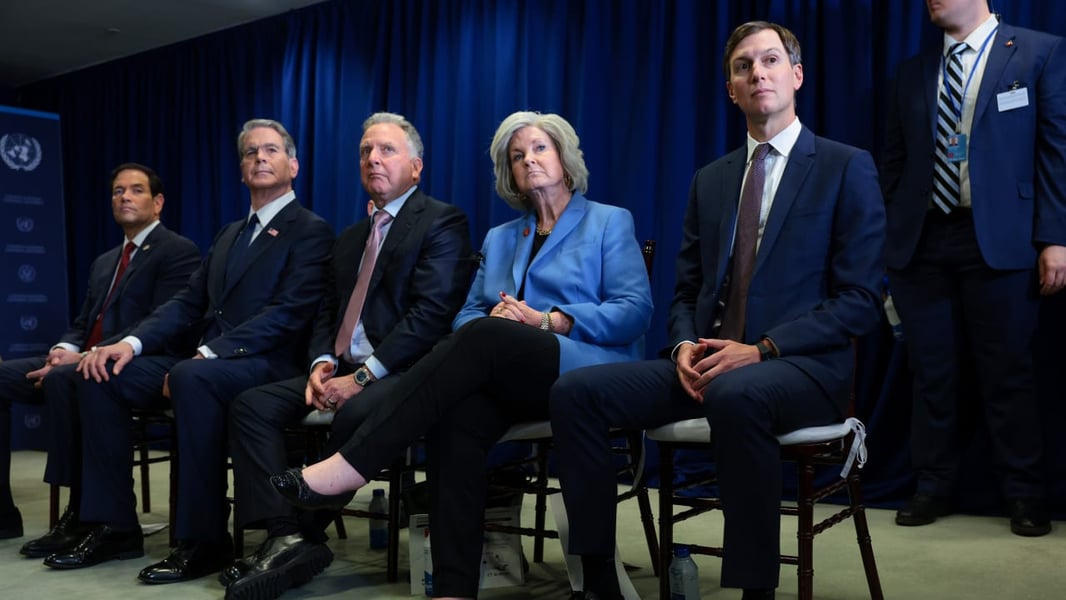

NEW YORK – Iran and the United States held their first structured, face-to-face diplomatic contact of the current conflict on Tuesday afternoon at the United Nations, when Foreign Minister Abbas Araghchi sat down with Donald Trump’s special envoy Steve Witkoff and Jared Kushner for a three-hour session at UN headquarters in New York. The meeting was arranged in advance and attended for most of its duration by Qatari Prime Minister and Foreign Minister Sheikh Mohammed bin Abdulrahman Al Thani, the Jerusalem Post reported.
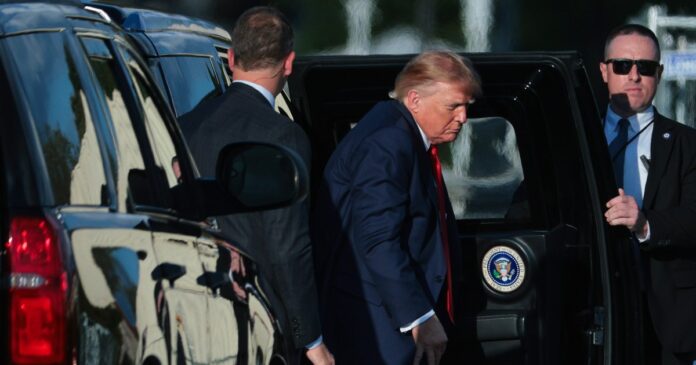
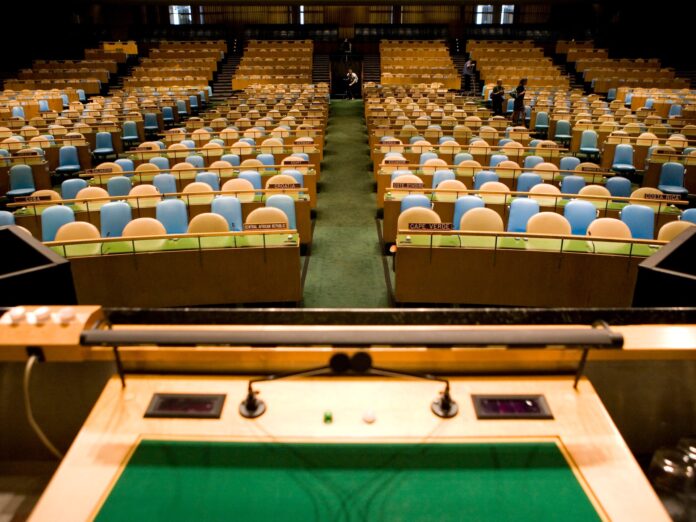
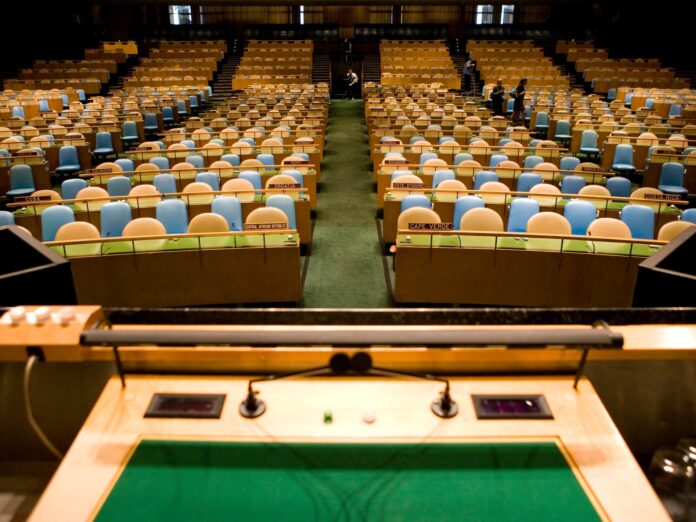
The talks came hours after Trump had told the UN General Assembly that he faced a choice between striking a deal with Tehran and “annihilating the Islamic republic.” On Tuesday evening, the US president told reporters the meeting had been “very good” and lasted three hours, adding that another meeting was scheduled “in the very near future.” He did not disclose the content.
Araghchi did not immediately comment publicly on the meeting. Iran’s state television had confirmed the encounter earlier in the day, reporting that Araghchi conveyed Iran’s conditions for a peace agreement. Those conditions, according to Iranian state media, are: the immediate lifting of the US naval blockade on Iran’s southern shores, the release of Iranian frozen assets held abroad, and an end to hostilities on all fronts. In exchange, Iran would open the Strait of Hormuz, which its military has kept effectively closed since the war began in February.
The framing of the conditions as preconditions for opening Hormuz rather than as preconditions for ceasefire talks reflects Tehran’s consistent position: Washington must demonstrate tangible de-escalation before Iran commits to any diplomatic framework. The gap between that posture and Washington’s publicly stated approach, which has conditioned sanctions relief on Iranian concessions first, has not been publicly bridged. Whether Tuesday’s exchange narrowed it is not known.
The presence of Qatar‘s prime minister as a mediator in the room is notable. Doha has served as the principal back-channel between Tehran and Washington throughout the war, facilitating prisoner exchanges and passing messages. Its presence at this stage means the channel has been elevated from messenger to participant. Pakistan’s involvement as a co-mediator adds a second Muslim-majority government with ties to both Iran and the West to the process.
Araghchi arrived in New York under conditions designed to limit his diplomatic range. The Trump administration had confined Iran’s UNGA delegation to a six-block radius in Midtown Manhattan. His movements permitted no public bilateral diplomacy beyond the UN compound, Al Jazeera reported. Tuesday’s meeting, arranged in advance through the Qatar channel, was an exception to that posture.
Witkoff said afterward that he “feels very good” about the discussions, mirroring Trump’s own characterization. The parallel expressions of optimism from the American side have not been matched by any public comment from Tehran’s delegation, which suggests either that Araghchi is holding back a public signal or that the two sides remain far enough apart that positive sentiment from Washington is not yet reciprocated.
The context in which these talks took place is worth noting. Trump had spent his morning address framing Iran’s choice as deal or annihilation. He attached the deadline not to a ceasefire calendar but to the US midterm elections in November. The afternoon meeting occurred within hours of that speech, meaning Iran entered the room fully aware of the public framing and chose to engage anyway. That decision to hold direct talks with American envoys on the same day the American president threatened to destroy the Islamic republic from the UN podium is itself a signal.
Iran’s chief conditions have been consistent since the opening weeks of the war. The naval blockade Washington imposed on Iran’s southern coast was the mechanism that, combined with the Hormuz closure, removed Iranian oil from international markets entirely. Lifting it is Iran’s first condition before negotiations begin on any other element. The frozen asset question involves tens of billions in Iranian funds blocked under US and European sanctions regimes. Both are significant asks that would require the US to move first.
What neither side has revealed is whether Washington presented its own set of conditions, or whether the three hours were spent primarily receiving and registering Iran’s. A follow-on meeting “in the very near future,” which Trump referenced without details, could clarify that. Araghchi addresses the General Assembly on Wednesday, where his remarks will be watched for any signal about the meeting’s content that Iran chooses to make public.