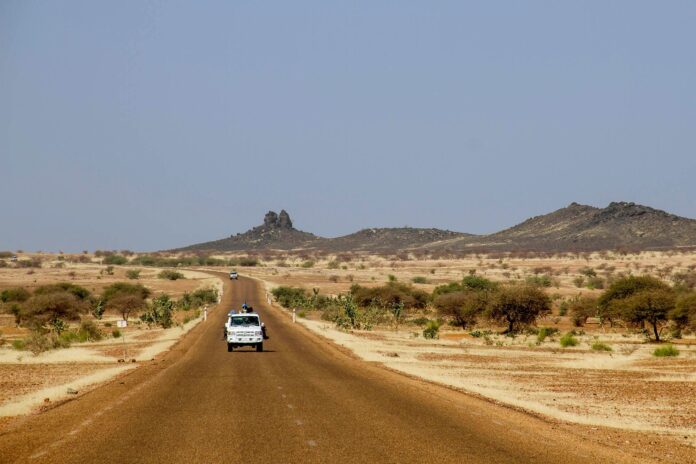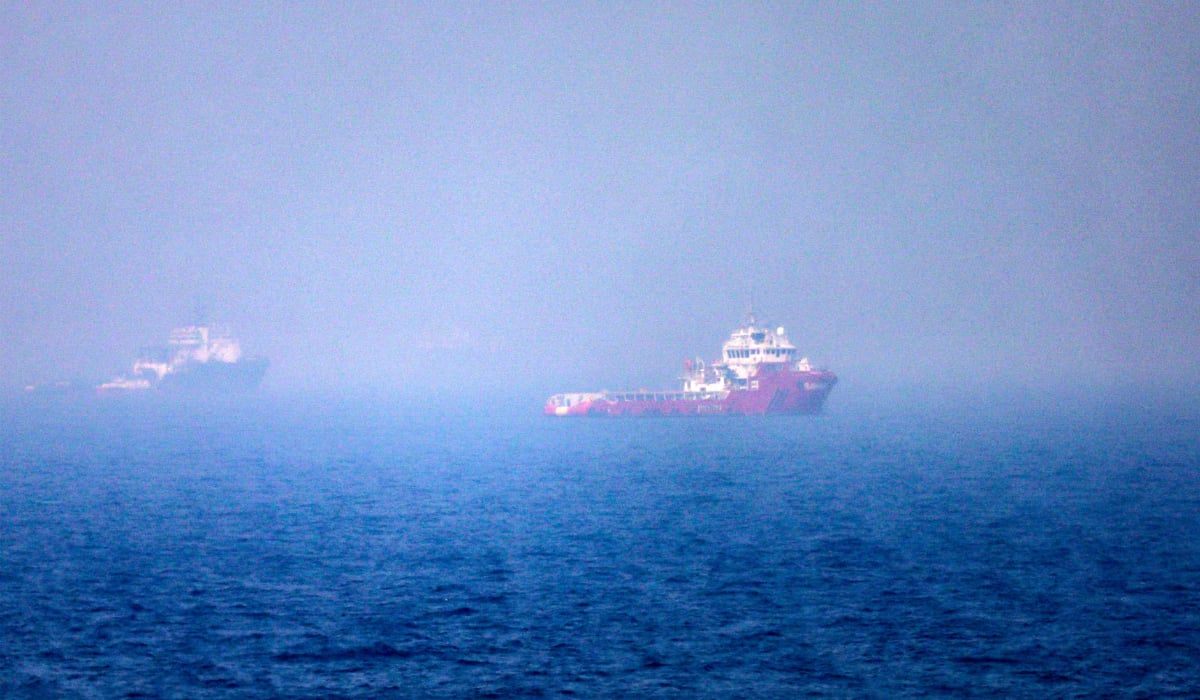

DUBAI — A cargo vessel reported being struck by an unknown projectile in the Strait of Hormuz on Tuesday, twenty nautical miles northeast of the Omani port of Al Khasab, as Greek shipping company GasLog disclosed that one of its liquefied natural gas tankers had suffered an incident in the waterway and remained stable afterward. The strikes landed on the same day Qatar and Iran had set as their target date for completing preliminary shipping resumption talks, a deadline that passed without any announced agreement.
The United Kingdom Maritime Trade Operations, the Dubai-based maritime security agency that issues real-time warnings for commercial shipping in the Gulf of Oman, confirmed the strike and said authorities were investigating. It provided no attribution for the projectile and offered no damage assessment beyond noting the vessel had been hit. Arab News, citing the UKMTO report, confirmed the location as 20 nautical miles northeast of Al Khasab, a port in Oman’s northern Musandam Peninsula that sits at the entrance to the strait.
The incidents follow a pattern of repeated vessel attacks that has developed since the United States and Israel launched Operation Epic Fury against Iran on February 28. On Saturday, a Qatari LNG tanker was disabled in the same stretch of water near the Musandam Peninsula after a projectile struck its engine room, one of at least four vessel incidents the UKMTO had recorded in the preceding four days.
Transit through the Strait of Hormuz has fallen to a fraction of prewar levels. Only three tankers and three bulk carriers passed through the waterway in a single 24-hour period this week, a figure that maritime analysts described as historically low for a route that under normal conditions handles roughly a fifth of global oil trade. Qatar and Iran had been working through Doha’s diplomatic channels toward an arrangement that would allow selected vessels to resume movement; Tuesday had been identified as the target date for reaching a framework.
The framework under negotiation would formalize Tehran’s operational position: vessels entering the Gulf would travel near Iran’s coast while departing ships follow a lane near Oman. The arrangement would require commercial operators, and implicitly their national governments, to acknowledge Iranian authority over transit routing, a concession Washington has consistently declined to accept. Qatar, whose state energy company QatarEnergy is among the world’s largest LNG exporters, has a direct commercial interest in any negotiated arrangement and has served as the primary diplomatic conduit between Tehran and Western governments throughout the conflict.
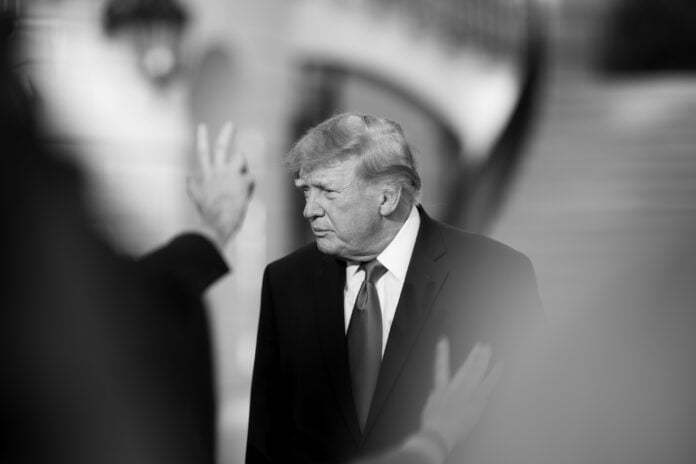
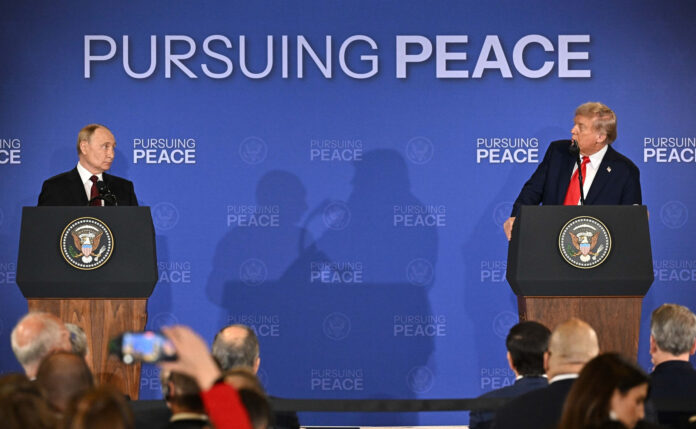
Washington offered a sharply different account. President Trump said the United States fully controls the Strait of Hormuz and claimed American and Iranian negotiators had been in active ceasefire discussions. Iran’s government denied any direct contact. Senior officials in Tehran said the framework Trump described did not exist. Earlier reporting had already established that negotiations between Washington and Tehran were not on any schedule, only an existing indirect track through envoys Steve Witkoff and Jared Kushner. Trump had also claimed on Sunday that Iran called Washington to stop a planned American strike; Tehran called that psychological operations.
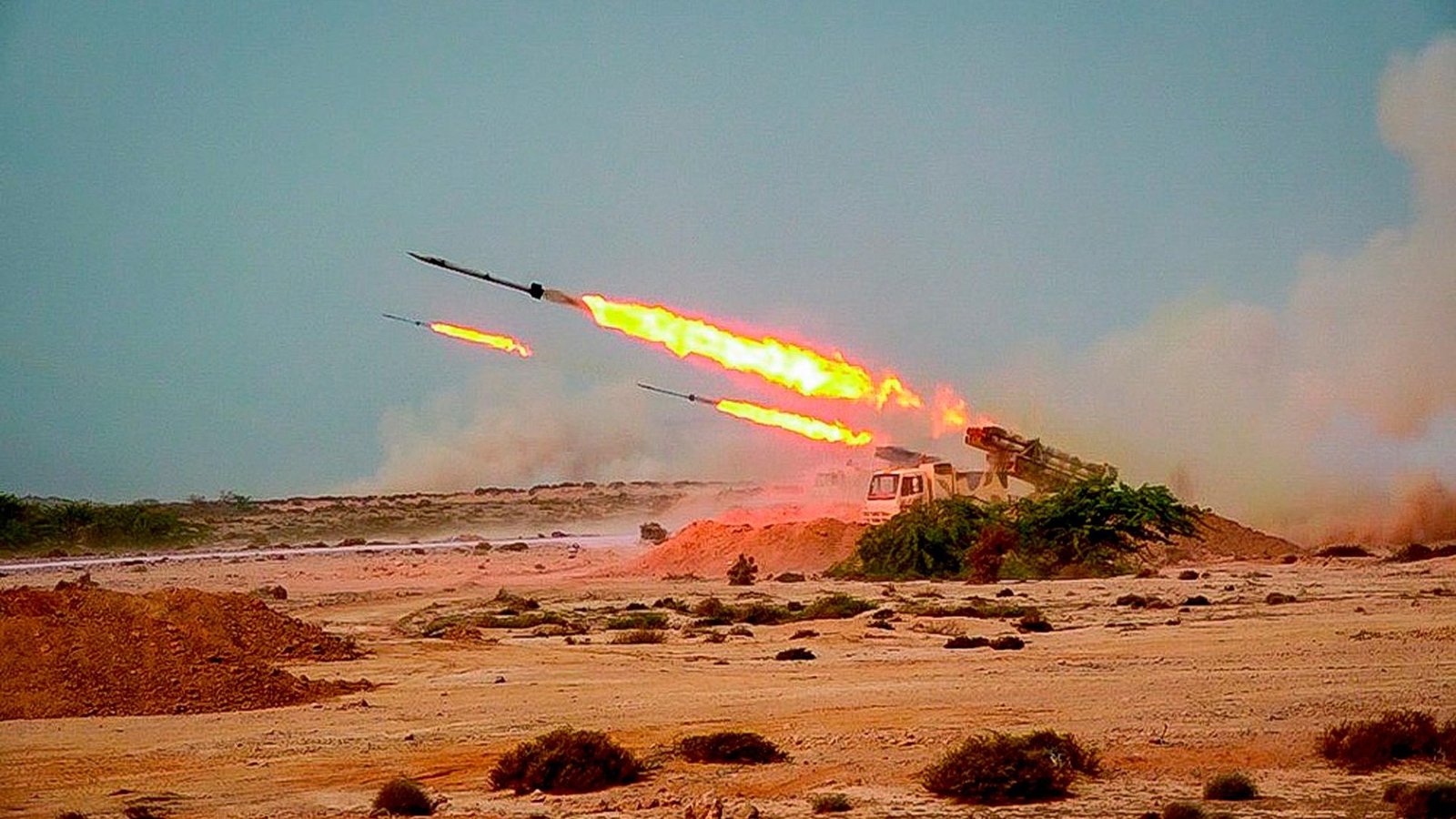
Major General Mohsen Rezaei, a military adviser to Iran’s Supreme Leader who has emerged as Tehran’s most consistent public voice on the Hormuz crisis, told Sputnik on Tuesday that Iran would under no circumstances allow a second corridor to be opened in the strait. He said ships pushed through by American forces had routinely sustained damage before retreating. The pattern he described matched documented incidents over the past week, including two tankers struck while under US air escort the previous Friday.
GasLog, a Greek company that operates a fleet of liquefied natural gas carriers, has continued transiting the Strait of Hormuz throughout the conflict’s first months despite rising insurance premiums and mounting vessel incidents. Its disclosure of Tuesday’s strike puts that commercial calculation under renewed scrutiny. The LNG tanker market has already absorbed a series of contract revisions as counterparties negotiate new terms for Hormuz passage, and Tuesday’s incident is likely to produce fresh pricing pressure on voyages that cross the waterway.
Trump’s assertion that the United States now charges tolls and fully controls what ships reach Iran did not match what GasLog or the UKMTO reported on Tuesday. The administration’s convoy protection program, which has used US air cover to shepherd commercial vessels through the strait, has experienced repeated failures: the Islamic Revolutionary Guard Corps has struck multiple escorted vessels over the past several weeks, with ships sustaining damage and turning back despite military cover overhead.
Who fired the projectile that struck Tuesday’s vessel is not known. Iran has not claimed the hit, and no other party has come forward. The UKMTO has consistently declined to attribute strikes while continuing to issue real-time warnings to mariners in the region. Tuesday’s incident leaves the GasLog tanker’s voyage paused and the Qatar-Iran shipping framework still unsigned. The strait remains contested, the talks remain incomplete, and the day that was set to produce a diplomatic breakthrough produced another vessel incident instead.