
BEIJING — Nine days without an Iranian missile over the Gulf, the longest unbroken stretch since the war began, and the question is no longer whether the fire pause will hold through the night, but whether the diplomacy now running in its shadow can harden it into something permanent.
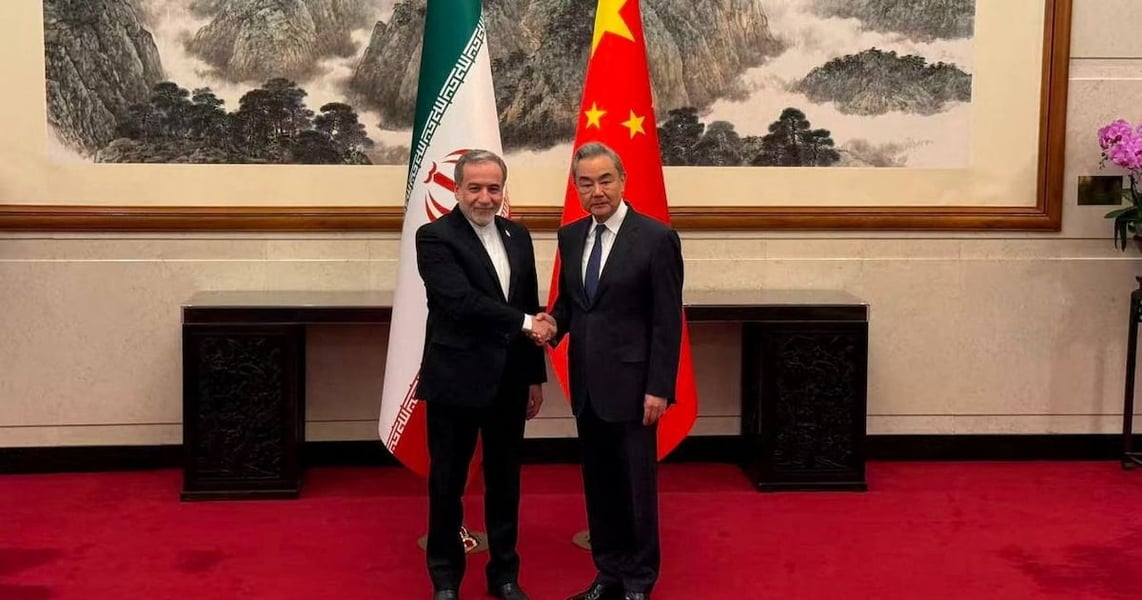
Iranian Foreign Minister Abbas Araghchi spent two days in Beijing meeting with his Chinese counterpart Wang Yi, leaving Thursday with a clear joint message: Iran has agreed a plan with Oman to reopen the Strait of Hormuz, and Washington must now decide whether to honour the commitments it signed in Islamabad in June or concede that the war’s defining chokepoint stays closed. “We urge all parties to take effective measures to reopen the Strait of Hormuz at an early date,” Wang said after the meetings, framing Hormuz not as a bilateral US-Iran matter but as a global economic problem China intends to help solve, The National reported.
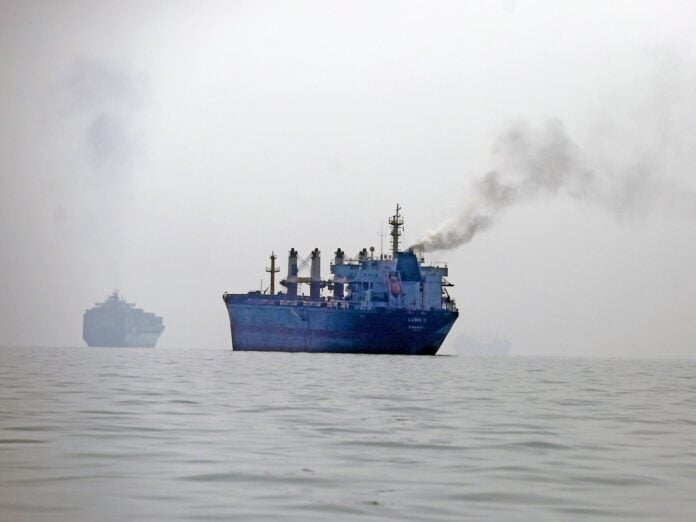
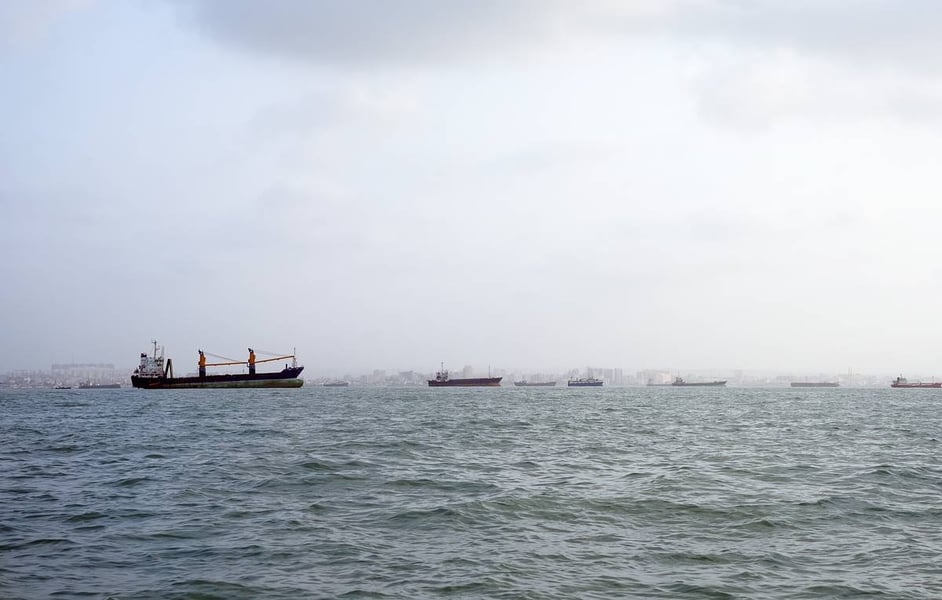
The plan Araghchi referenced involves a temporary shipping lane through the strait brokered in partnership with Oman, a framework the two countries agreed in principle in late August and have been trying to multilateralise ever since. The arrangement would establish controlled transit through the Hormuz passage, with Iran retaining a degree of oversight over the routes and Oman serving as the guarantor of safe passage. Before the war, roughly one-fifth of the world’s oil and liquefied natural gas moved through those waters. The interruption has pushed energy costs across Asia to levels that have finally convinced Beijing to step in with direct pressure rather than quiet encouragement, a calculus that sharpened after an IRGC strike on a Togo-flagged tanker in Hormuz demonstrated how quickly the passage could turn lethal.
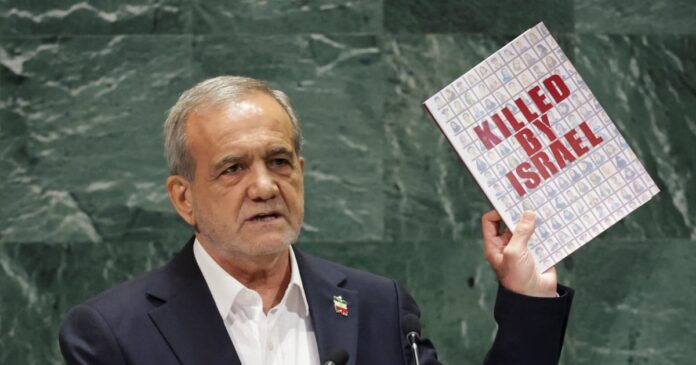
Araghchi’s framing in Beijing was careful. Iran believes the Islamabad Memorandum of Understanding, the 14-point framework signed by Trump and Iranian President Masoud Pezeshkian on June 17, which committed the United States to removing its naval blockade within 30 days and reaching a final deal within 60, remains in force. The document expired formally in August without a successor agreement, but Tehran’s position is that expiry does not relieve Washington of the underlying obligations. “Iran has reached a plan with Oman to open the Strait of Hormuz, and the United States should fulfil all its commitments,” Araghchi told Chinese state media, according to TASS, citing the Chinese Foreign Ministry’s readout published Thursday.
Whether the MOU is legally defunct or merely lapsed is a dispute that both governments have avoided resolving publicly, which suits neither side badly. The US retains the naval presence that keeps Iran from fully exploiting the blockade status it claimed; Iran retains the ability to argue it has been betrayed by a deal the other side walked away from. The shared ambiguity is what has kept the fire pause alive. Neither Washington nor Tehran wants to be seen as the party that extinguished the only ceasefire the war has produced.
China’s intervention complicates that calculus in useful ways. Beijing imports nearly half its crude through the Strait of Hormuz, and the economic cost of the disruption, running now for seven months, has turned Hormuz from a regional crisis into a supply shock that Chinese leadership can no longer treat as containable. Wang Yi proposing a “new Gulf security framework” is not an empty diplomatic gesture: it is an attempt to insert Chinese institutional architecture into a settlement that, if achieved, would leave Beijing as a co-guarantor of Gulf stability alongside Oman. That is a structural win for China regardless of whether the underlying US-Iran tensions are actually resolved. The limits of US coalition-building in the conflict have been exposed elsewhere: South Korea’s refusal to commit troops to Washington’s Iran campaign underlined how few partners are willing to share the military burden of this war.
The nature of Riyadh’s objections, according to reporting from multiple regional outlets, centres on language. Saudi Arabia is concerned that the Iran-Oman wording, which establishes a managed shipping regime through the strait with Iranian involvement, would effectively institutionalise Iranian influence over Hormuz in a way the kingdom cannot reverse once the war ends. Riyadh is not opposed to Hormuz reopening in principle; it is opposed to an arrangement that locks in a post-war reality more favourable to Tehran’s strategic position than to the Gulf Cooperation Council’s.
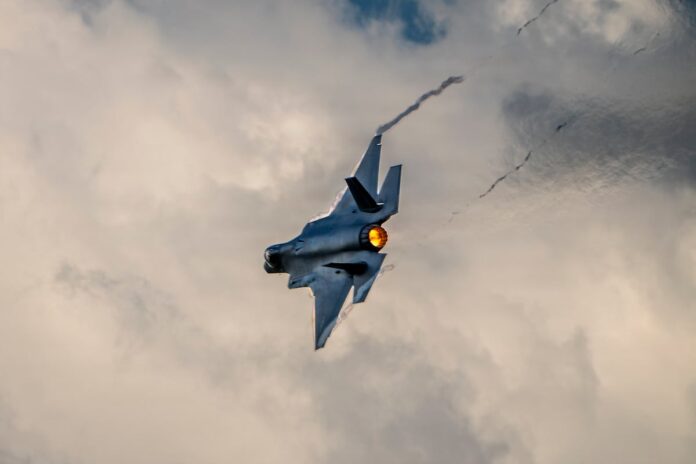
That objection is not easily engineered around. Saudi Arabia is, at the same time, the largest customer for American weapons: the $24.3 billion F-35 sale that Washington cleared on Thursday makes Riyadh’s security calculations inseparable from the US interest in bringing the war to a close on terms that do not humiliate the Gulf partners who hosted American logistics. Saudi Arabia’s position is a veto but not an ideological one: it is a bargaining position with a price that nobody has yet offered to pay.
For Oman, the collapse of the Salalah meeting is a diplomatic setback but not a terminal one. Muscat has been the indispensable back-channel for every productive conversation in this war, hosting the Islamabad talks, brokering the Iran-Oman route agreement, and maintaining open lines to both Tehran and Washington. The fire pause itself runs partly through Omani assurances. Whether Oman can persuade Saudi Arabia to withdraw its amendments, or persuade Iran to accept language Riyadh can live with, is the immediate question on which Hormuz reopening depends.
Araghchi left Beijing saying Tehran is “fully prepared to deepen strategic coordination with Beijing.” What that coordination looks like in practice, whether China’s pressure on all parties translates into a revised multilateral framework or simply into a cleaner bilateral Iran-China economic corridor that bypasses Hormuz altogether, remains unresolved. The fire pause gives everyone time to find out. Whether the time is used is the thing this article cannot tell you.