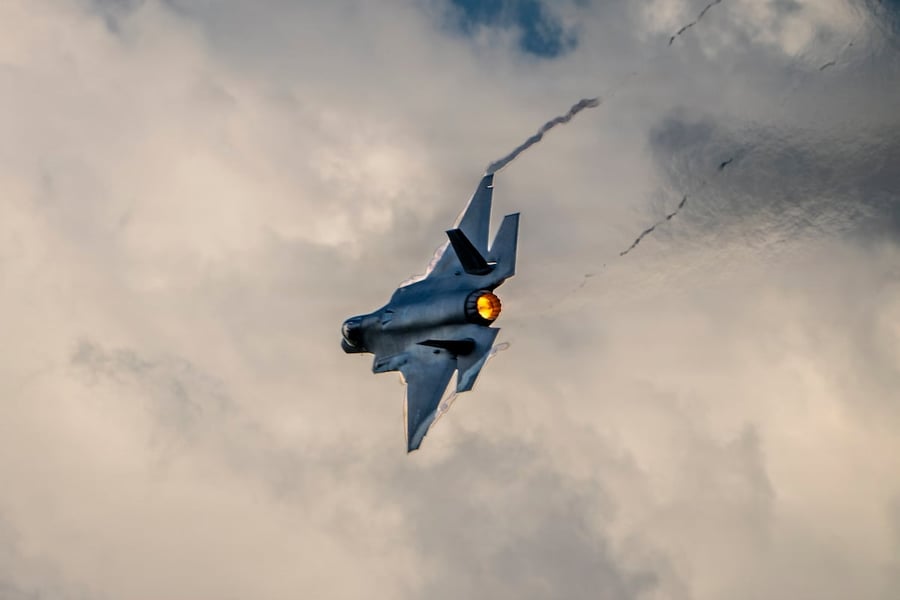

WASHINGTON — The decision that anxious Israeli allies in Congress have long tried to forestall arrived Thursday, when the State Department notified lawmakers that the Trump administration intends to sell 48 of the world’s most advanced stealth fighters to Saudi Arabia for up to $24.3 billion.
The proposed transaction comprises 48 Lockheed Martin F-35A Lightning II jets, 49 Pratt & Whitney F135 engines, and a full suite of communications, navigation, and electronic-warfare systems. If Congress does not object within 30 days, the deal would make the Kingdom of Saudi Arabia the first Arab country to operate the F-35 and only the second in the Middle East, after Israel.
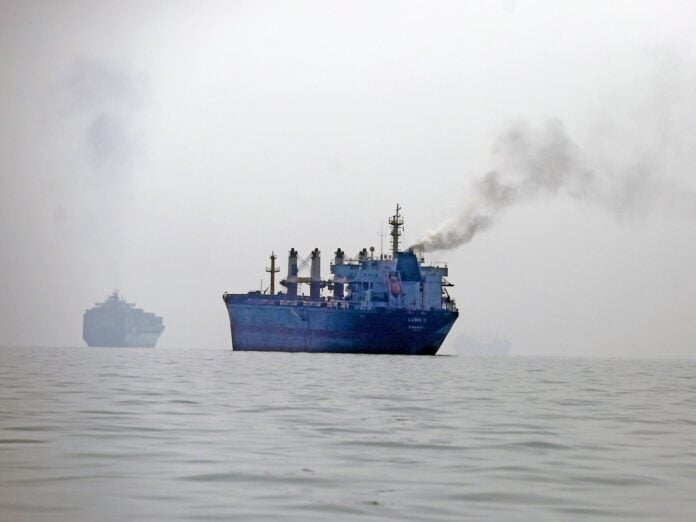
The timing was no accident. Saudi Arabia has been under sustained military pressure since the Iran war widened earlier this year, with the IRGC striking oil tankers in the Strait of Hormuz and Iranian-backed Houthi forces in Yemen maintaining attacks on Saudi territory. Crown Prince Mohammed bin Salman has pressed Washington for fifth-generation air power since at least 2017, and the war context finally provided the political opening.
The State Department framed the deal in the language of strategic partnership, saying in its congressional notification that the proposed sale would “support the foreign policy and national security objectives of the United States by improving the security of a major non-NATO ally that is a force for political stability and economic progress in the Gulf region.” The department added that the sale “will not alter the military balance in the region.”
The Saudi Embassy in Washington welcomed the announcement within hours, Arab News reported, posting on X that “the proposed F-35 sale reflects the strength and enduring nature of the Saudi-U.S. strategic partnership and the continued advancement of our defense cooperation.”
For the Royal Saudi Air Force, the acquisition would represent the most consequential modernisation in a generation. Saudi Arabia currently fields F-15S and Typhoon fighters, capable fourth-generation aircraft. The F-35A’s stealth profile, sensor fusion, and electronic-warfare suite put it in a different category, and Riyadh has long argued that Iranian air defence upgrades have made fourth-generation platforms increasingly vulnerable. Defense News reported Thursday that the deal also includes cryptographic systems and precision-navigation equipment, suggesting Washington intends to deliver a full fifth-generation capability rather than a restricted variant.
That is precisely where congressional skeptics dig in. The Arms Export Control Act, as amended by Congress in 2008, requires that any arms sale to a Middle Eastern country not erode Israel’s qualitative military edge, a legally protected advantage Washington has sustained for decades. Some lawmakers have warned for months that an F-35 sale to Saudi Arabia would test the boundaries of that commitment, particularly given the kingdom’s use of Chinese-made Huawei telecommunications infrastructure and its deepening economic ties with Beijing, which raises concerns about classified F-35 technology exposure.
The administration has pre-empted that argument. The State Department’s notification to Congress asserts that the sale does not erode Israel’s qualitative edge, a legal determination required before any such notification can be filed. Senior officials, speaking ahead of the formal announcement, said weapons integration, software configurations, and electronic-warfare functions would be reviewed to ensure Israel’s operational advantage is preserved. Whether that assurance satisfies the most skeptical members of the Senate Armed Services Committee remains the open question.
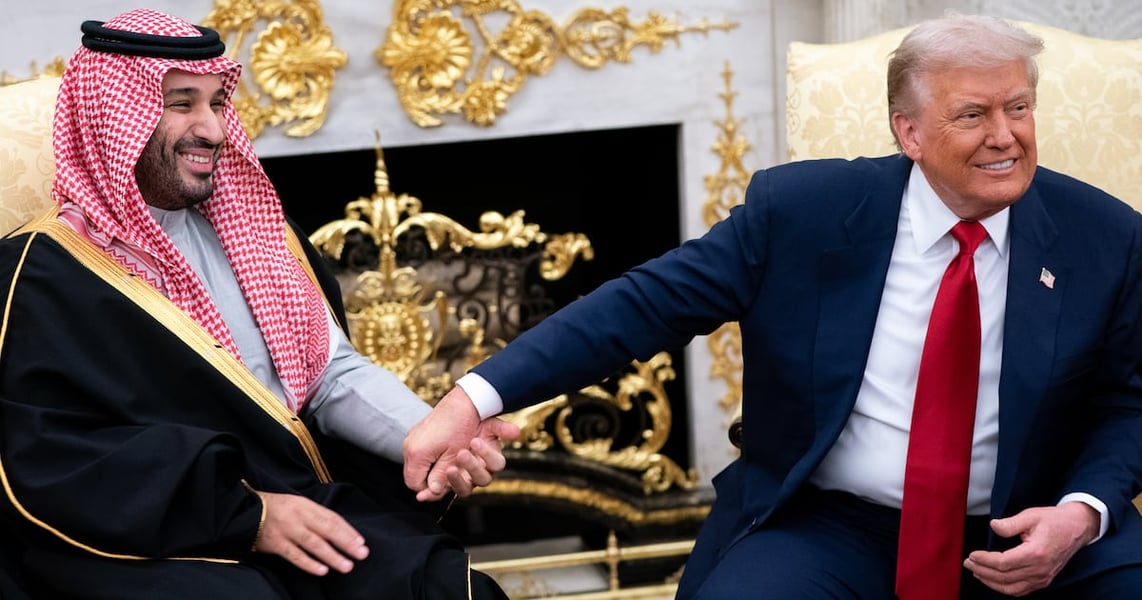
The deal’s commercial scale is striking. At $24.3 billion for the aircraft and engines alone, before support contracts, it would rank among the largest foreign military sales in American history, eclipsing the $15 billion Patriot missile system package approved for Saudi Arabia in 2019. Delivery, even if Congress raises no objection, would not begin for several years, as F-35 production slots are already constrained across existing orders.
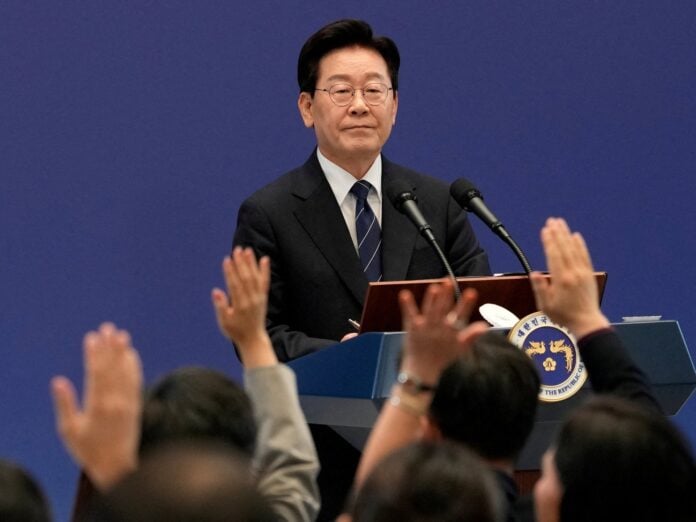
South Korea’s refusal this week to deploy any troops in support of US operations in the same conflict illustrated how difficult Washington has found it to build a functioning coalition around the Iran war. Saudi Arabia’s willingness to absorb $24 billion in American military hardware, while simultaneously managing its own complex relationship with Tehran, positions Riyadh as a partner prepared to act on its defense commitments, if not always in lockstep with Washington’s diplomatic calendar.
Congressional review rarely produces an outright block on major Gulf arms sales. The 1981 AWACS deal for Saudi Arabia, which Israel also opposed, went forward despite fierce opposition. The 30-day window does create political space for negotiated conditions on capability, access, and technology safeguards, and the lawmakers most focused on Israel’s qualitative edge are more likely to seek binding commitments on software configurations than to attempt to kill a deal the White House has already cleared. Whether the State Department’s assurances hold through a full Senate hearing, with classified briefings and adversarial questioning, is what the next month will determine.