
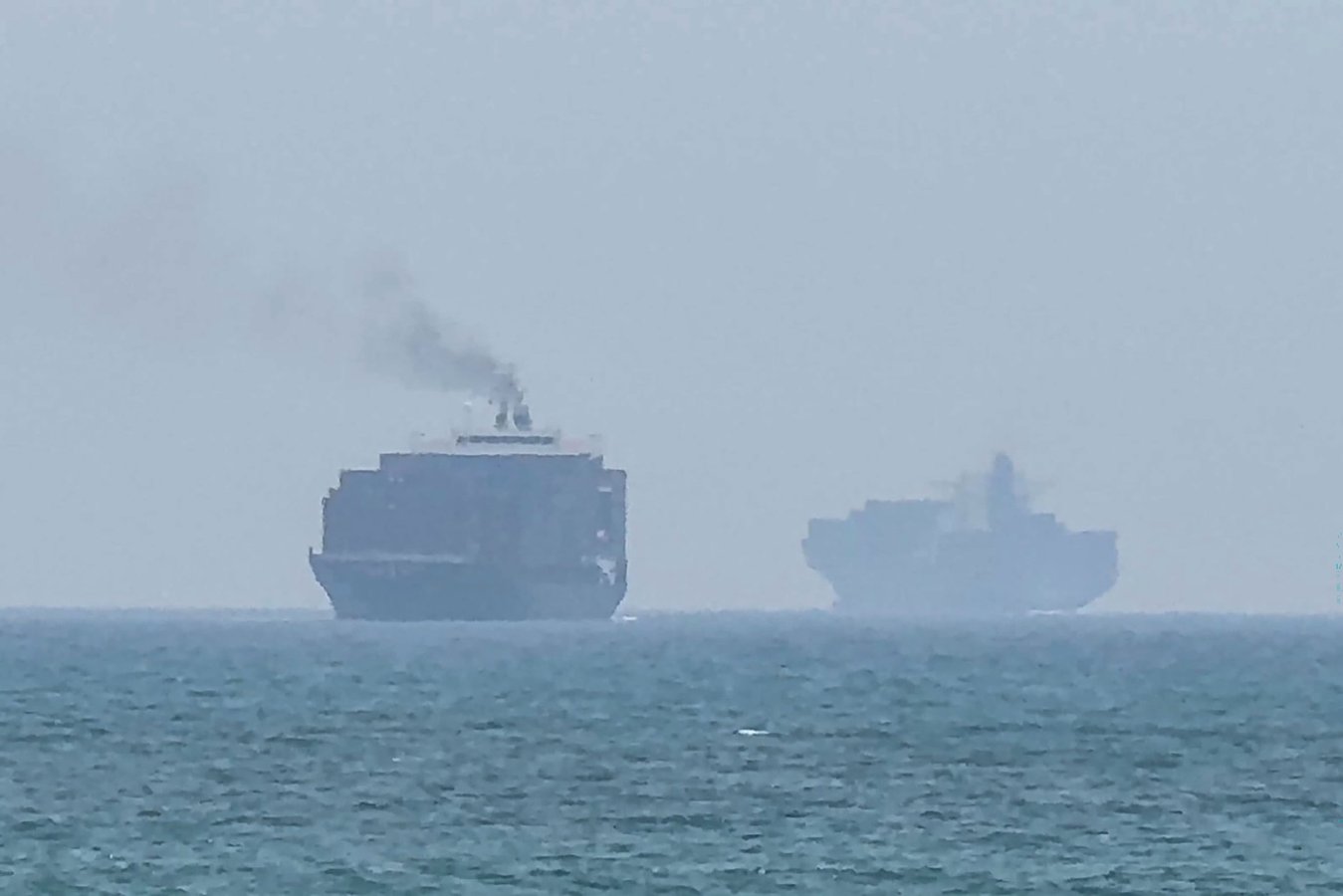
WASHINGTON – A blockade order from the Joint Maritime Information Center reached vessels approaching the Strait of Hormuz on Monday evening: Iranian-bound cargo was banned again, effective 20:00 GMT. Within hours, Donald Trump declared the United States would charge every ship transiting the world’s most critical oil chokepoint a 20 percent toll on all cargo and formally notified Congress, under the War Powers Resolution, that American military action against Iran had resumed.
The notification, transmitted to Capitol Hill on Monday, opened a constitutionally mandated 60-day window during which lawmakers have authority to vote to terminate the operation. The White House sent it three weeks after ceasefire diplomacy collapsed and four days after Trump declared on July 9 that the June MoU with Iran was “over,” a determination he reached unilaterally as Iranian forces resumed strikes on commercial shipping in the Gulf.
The sequence that ended the ceasefire began on July 6, when Iran’s Islamic Revolutionary Guard Corps struck three commercial vessels off the Omani coast. The United States launched retaliatory strikes on July 7; Iran responded with missile and drone attacks. Two days later, Trump declared the ceasefire finished and Iran shut the Strait of Hormuz to international traffic. By July 11, tit-for-tat strikes were crossing the strait daily.
Trump’s Hormuz toll announcement arrived on Truth Social alongside the blockade reinstatement. “We are reinstating THE IRANIAN BLOCKADE,” he wrote. “The U.S.A. will be ‘THE GUARDIAN OF THE HORMUZ STRAIT.’” Washington would collect 20 percent on all cargo shipped through the 21-mile-wide passage, he said, to recover what he called the costs of providing security in a waterway through which roughly 20 percent of the world’s oil and gas exports move each day, according to Al Jazeera.
The International Maritime Organization rejected the legal premise within hours. The IMO cited the United Nations Convention on the Law of the Sea, which guarantees the right of transit passage through international straits, and said: “There is no legal basis through which to introduce mandatory tolls simply to transit through a strait.” The same principle had been articulated by Secretary of State Marco Rubio as recently as June, when Rubio said “no country is allowed to charge tolls or fees on an international waterway” in reference to Iran’s own earlier toll proposals. Rubio did not publicly comment on his president’s announcement Monday.
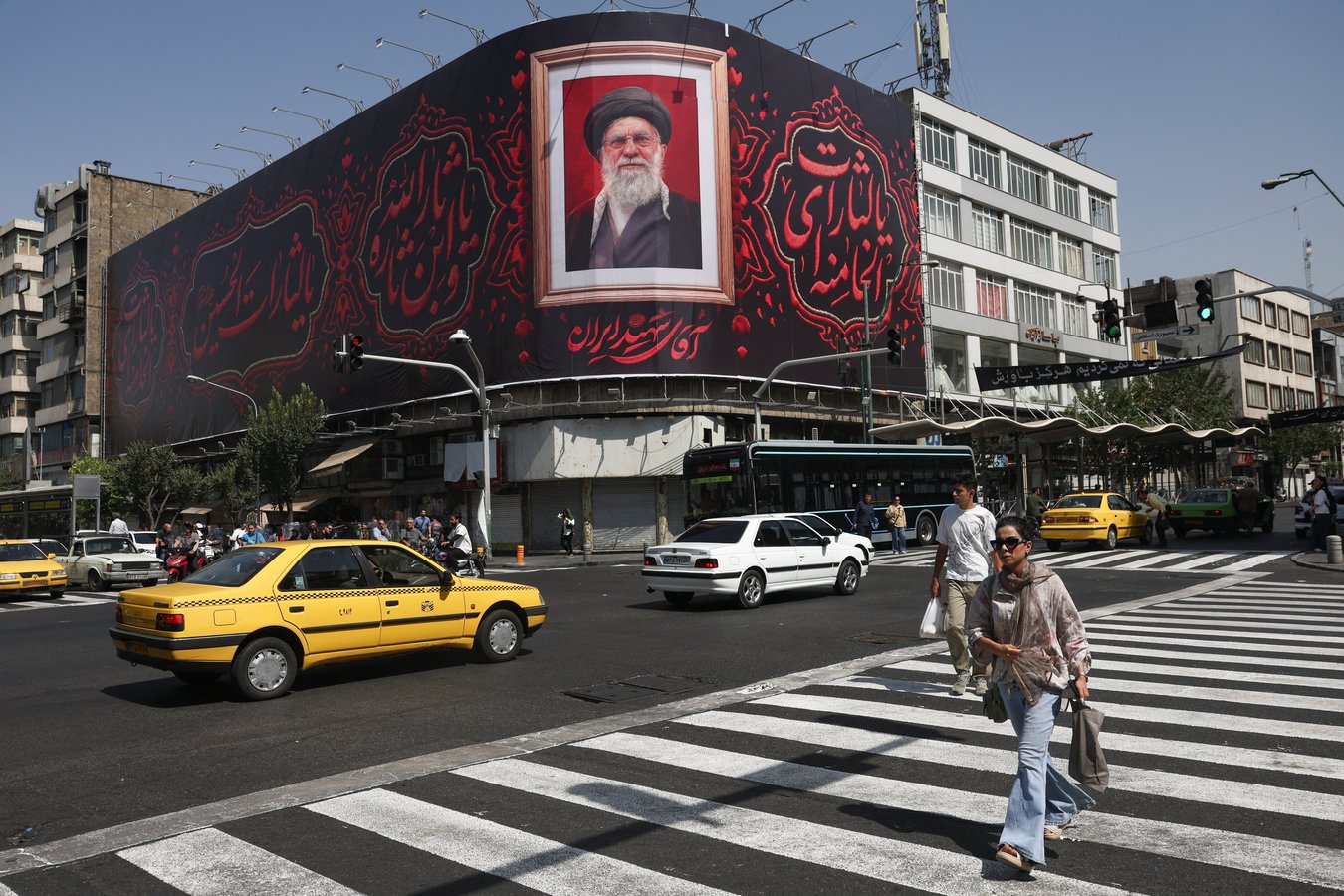
Iran’s military offered a response with characteristic directness. “We will not allow the U.S. to interfere in management of the Strait of Hormuz,” Khatam al-Anbiya Central Headquarters declared. Supreme Leader Mojtaba Khamenei, who assumed authority after his father’s death earlier this year, said revenge for American strikes was “the will of the nation.” Iranian state television broadcast naval exercises from the Gulf on Monday evening.
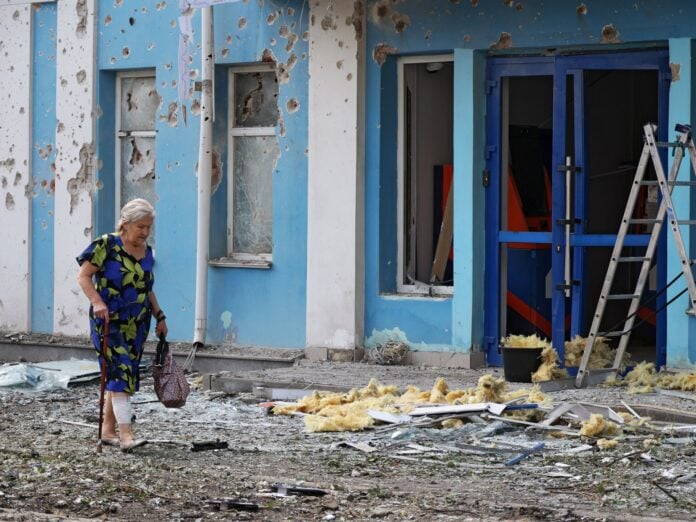
The July campaign differs from the March offensive in scale and stated objective. In March, American strikes targeted broad Iranian infrastructure, with a school bombing in Bandar Abbas killing 168 children and strikes on airports and hotels drawing sustained international condemnation. Washington spoke openly of regime change and denuclearization. The current fighting concentrates around the strait itself, with both governments appearing to avoid civilian and energy targets for now, Al Jazeera reported in an analysis of the conflict’s evolution. Paul Musgrave, a security analyst at Georgetown University, said both countries appeared to be “exploring each other’s red lines diplomatically” through targeted military pressure rather than driving toward a decisive outcome.
The War Powers Resolution notification gives Congress a 60-day clock, but the legislature’s recent record on the Iran conflict offers little reason to expect it will act. Senate Republicans voted in June to rebuke Trump’s conduct of the war, then reversed course within hours after Trump confronted senators at a Capitol lunch and called Sen. Bill Cassidy “a lunatic.” The same caucus has not forced a floor vote on the $87.6 billion war supplemental the White House billed to Congress in late June, a sum that remains formally unresolved.
The maritime industry will feel Monday’s announcement before Congress does. War risk insurance for a single Hormuz transit had already reached $7.5 million per voyage, ten times the pre-crisis baseline, according to Lloyd’s of London data. The blockade reinstatement will push those premiums higher still, and operators who had tentatively resumed Gulf routes over the past two weeks are recalculating their exposure.
Trump said he would address the nation on Thursday to explain the resumed campaign. What that address is unlikely to clarify is the central ambiguity in Washington’s position: whether the 20 percent Hormuz toll is a genuine policy goal the administration intends to enforce or an opening bid designed to bring Iran back to a negotiating table it walked away from. The IMO’s legal verdict and Iran’s military response on Monday suggested neither party is prepared to treat the toll as negotiable. Tehran has demonstrated it can absorb American strikes and outlast diplomatic timelines. Whether Trump’s domestic coalition holds through a sustained second campaign remains the question his administration has not answered.