
WASHINGTON — The Qatari-owned LNG tanker Al Rekayat caught fire in the Strait of Hormuz on the evening of July 7, its engine room flooding with smoke as crew prepared to evacuate. It was the third commercial vessel attacked that week. By Monday, the United States had struck more than 300 Iranian military targets in three separate waves — and Donald Trump was telling Fox News that the country had bombed “the hell” out of Iran and was going to run the strait.
“We’re taking over the strait. They’ve got nothing,” Trump said. He told NBC’s Meet the Press the same morning: “It’s open. We bombed the hell out of them last night.” On Fox News, he was more explicit about the architecture he has in mind: “We guarded it for nothing, and now we’re going to guard it. We’re going to get paid for guarding it. A lot of money.” He threatened further strikes. “We’ve had 10 deals with these people, and so we’re just going to hit them very hard. We’ll become the guardian of the Strait.”
The question, for the oil markets and the governments of six Gulf states, is whether the US claim of control holds — and what it costs to maintain it. Iran’s Islamic Revolutionary Guard Corps declared the Strait of Hormuz closed on July 12, citing unauthorized passage. A Cyprus-flagged container ship, M/V GFS Galaxy, was struck in the waterway on Saturday; one crew member is missing and the vessel’s engine room sustained severe damage. Iran’s top negotiator, Mohammad Bagher Ghalibaf, said Monday: “The era of one-sided deals is OVER.”
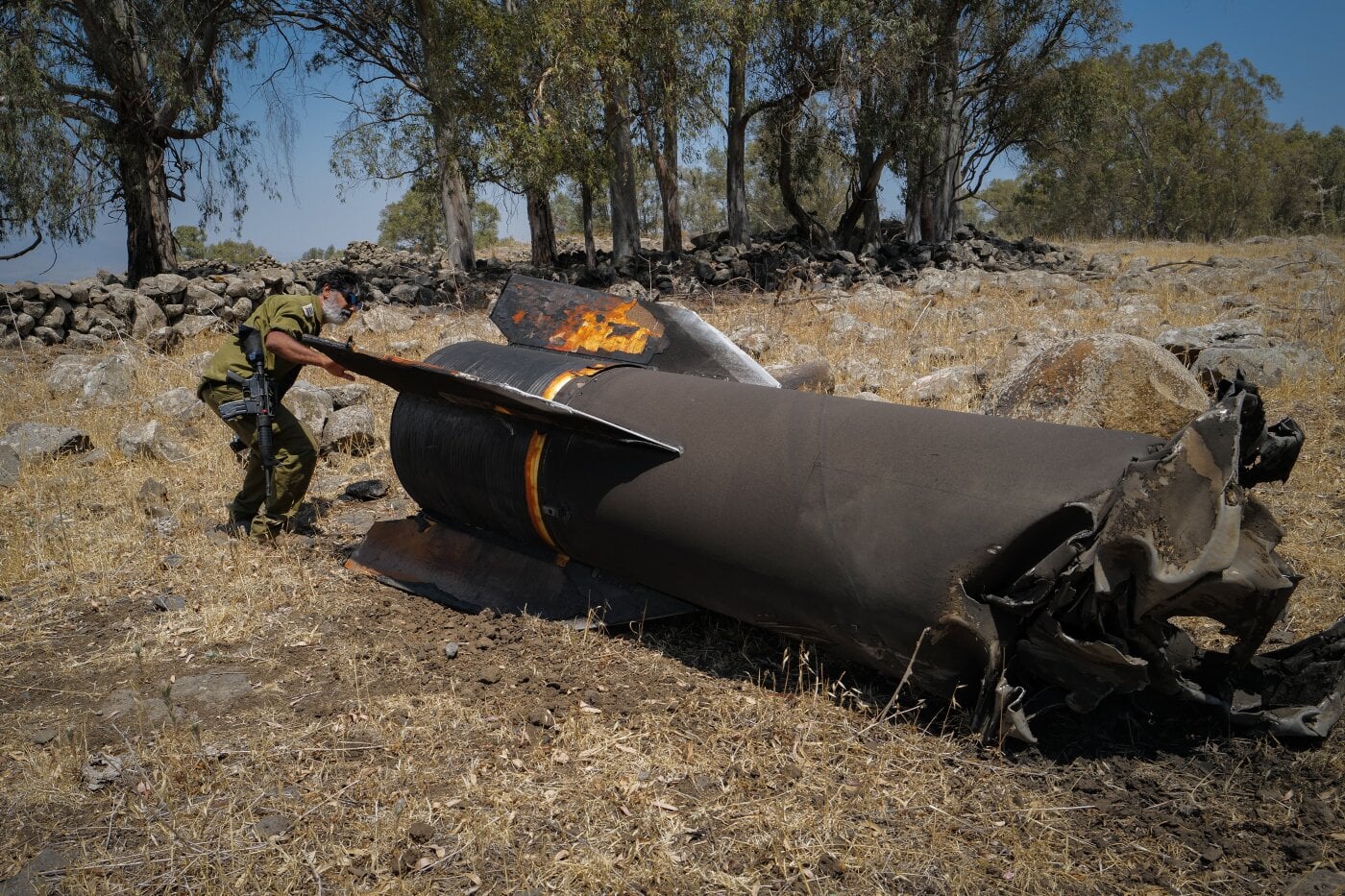
U.S. Central Command countered directly: “Iran does not control the strait. Traffic is flowing.” CENTCOM’s third wave of strikes this week targeted 140 Iranian military sites overnight Saturday — air-defense systems, coastal radar installations, missile and drone capabilities, and small boats. The delivery included one-way attack sea drones, used for the first time in the conflict. Over three nights of strikes, CENTCOM hit more than 300 targets in total to degrade what it described as Iran’s ability to continue attacking civilian mariners and commercial vessels.
Defense Secretary Pete Hegseth said after the latest wave: “Iran made a poor choice. Now they pay.”
The 2026 Strait of Hormuz crisis began in late February when Operation Epic Fury, the joint U.S.-Israeli campaign, struck Iranian nuclear and military installations. Since then, the IRGC has attacked more than 50 commercial vessels, the US Navy sank an Iranian frigate and imposed a naval blockade of Iranian ports, oil prices peaked at $126 per barrel in March — the largest monthly increase on record — and a June 14 memorandum of understanding between Trump and Iranian President Pezeshkian briefly stabilized navigation by pledging the strait free for all shipping for 60 days. That agreement held fewer than 30 days before the IRGC resumed attacks.
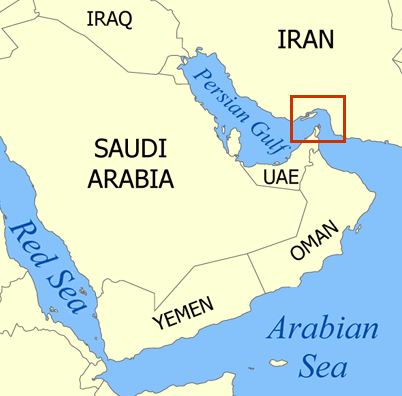
Iran retaliated for the latest US strikes by launching missiles at American installations and allied targets across the Gulf. Sirens sounded in Bahrain for the third consecutive time — home to the US Navy’s Fifth Fleet — as well as in Kuwait, Qatar, Oman, and Jordan. Jordan’s military said it intercepted four incoming Iranian missiles. UAE and Bahrain also reported missile fire. The breadth of the retaliatory targeting reflects both Iran’s intent to impose costs on the regional states hosting US forces and the limits of its remaining capability after 300 sites destroyed.
The energy impact has been significant even by crisis standards. According to NPR, national gasoline prices reached $3.88 per gallon Monday, up from $3.80 a week prior. At the March peak, Brent crude exceeded $100 per barrel for the first time in four years before peaking at $126 — the greatest energy supply disruption since the 1970s. Alternative pipeline capacity covers less than half the volume normally transiting the strait. Verified crossings over the weekend of July 3-5 stood at 108, far below the pre-war baseline of 120-140 per day.
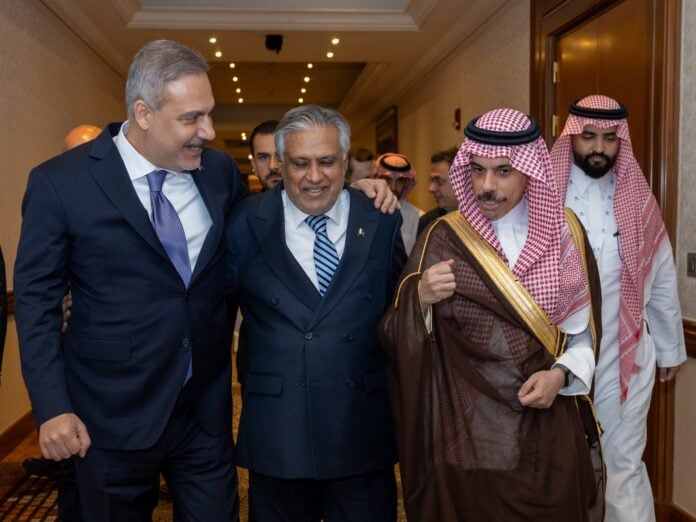
Diplomatic back-channels have not closed. Mediators from Qatar, Pakistan, and Oman are urging resolution. Pakistan’s deputy foreign minister Ishaq Dar traveled to Tehran on Sunday. UN Secretary-General António Guterres called for an immediate halt to all attacks. Iran’s Foreign Minister Abbas Araghchi said Trump’s Monday threats violate the June 14 memorandum. A separate analysis of Western economic dependency in adversarial relationships illustrates how high the cost of miscalculation in critical supply corridors can climb — an order of magnitude that both sides are now stress-testing in real time.
What Trump’s “guardian” declaration does not resolve is the legal and operational architecture behind it. The Strait of Hormuz passes through Iranian and Omani territorial waters. No US treaty framework provides for charging passage fees through another country’s waters, and no administration official detailed Monday what “running” the strait would mean in practice. Whether the June 14 memorandum’s 60-day free-navigation clause can be revived, and on what terms, is the gap that three rounds of strikes and Trump’s Fox News declaration have not yet closed.
Trump said the 11-hour negotiating session with Iranian officials ended with “everything agreed to” before Iran “began demanding changes.” That account has not been confirmed by Tehran. What the next session looks like — and whether there is one before the next round of strikes — is the question neither side answered on Monday.