
WASHINGTON – On day 156 of the US-Iran war, Donald Trump posted on Truth Social that he had cancelled planned military strikes against the Islamic Republic, citing what he described as the parameters of an emerging deal. Tehran responded within hours: there was no deal, and Iran’s armed forces were “ready for any eventuality.”
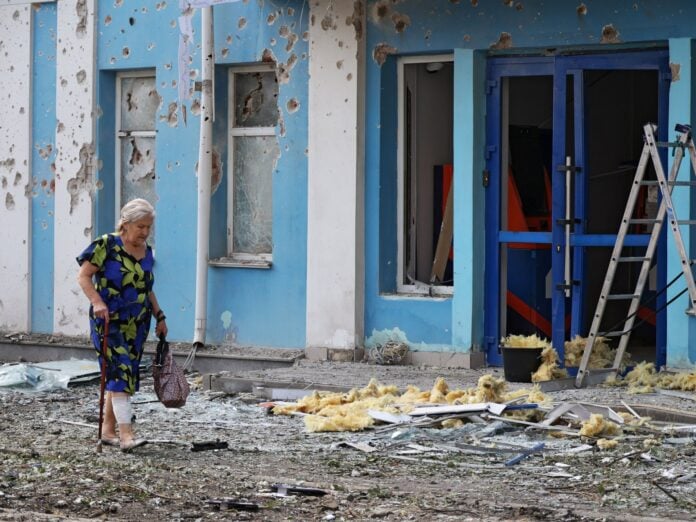
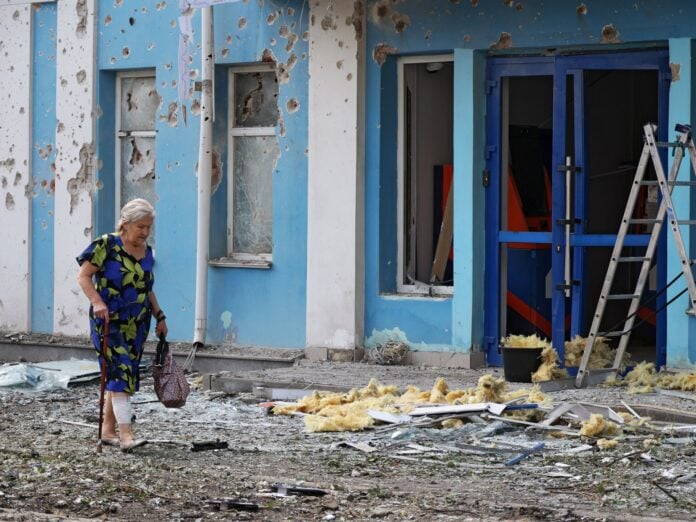
The contradiction placed the near-term trajectory of the longest American military campaign since Afghanistan into the hands of mediators who acknowledged they had not yet secured an agreement from either side. The Strait of Hormuz, through which roughly a fifth of the world’s daily oil supply passes, remained closed as both Washington and Tehran offered sharply different accounts of what had actually been agreed, and by whom.
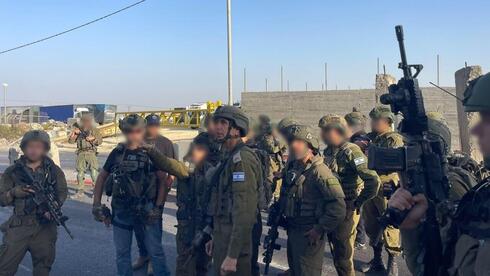
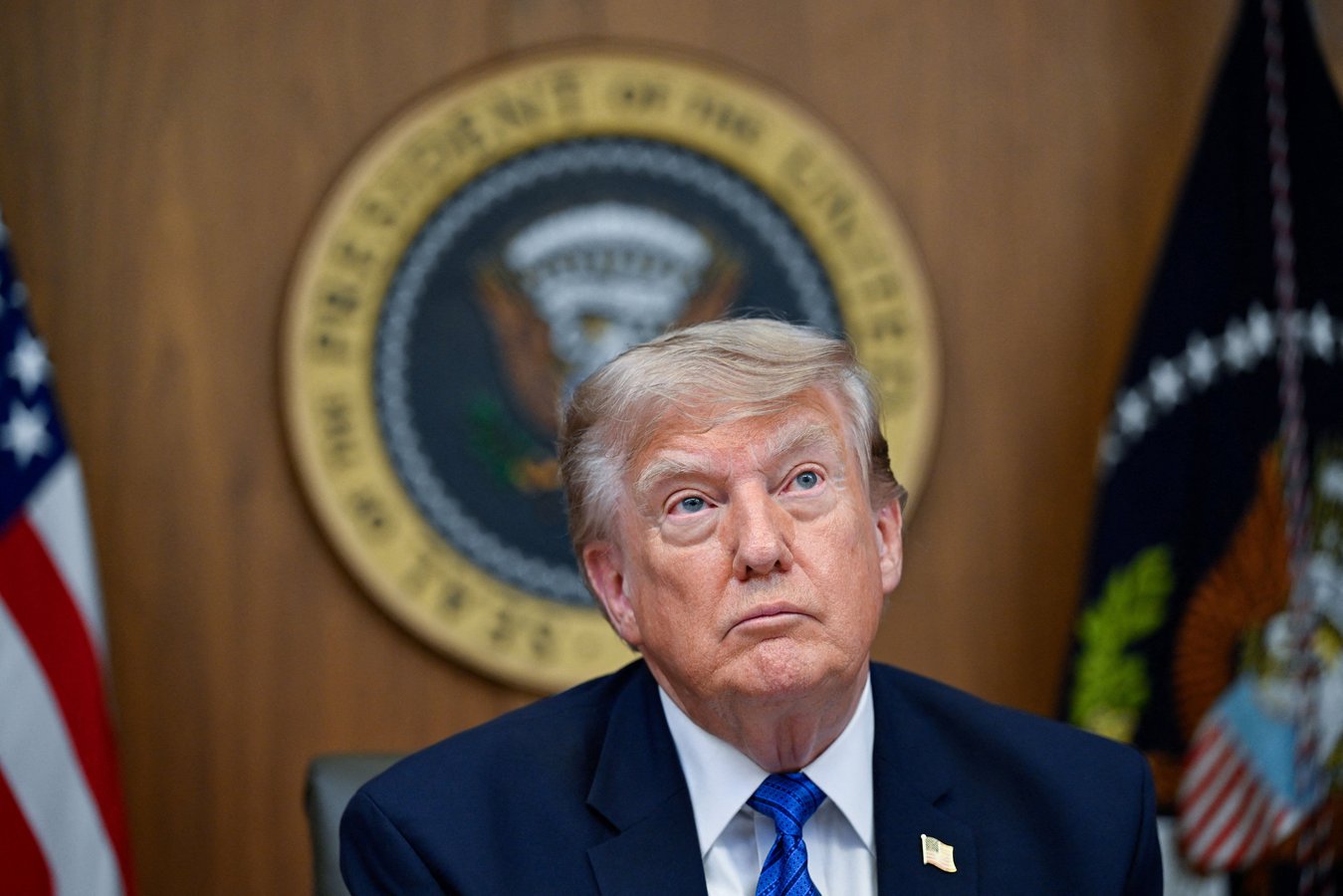
Trump’s post was unambiguous in its claims. “Based on this request, I have agreed… to cancel the attack, subject to being able to rapidly make a DEAL,” he wrote. He outlined the terms: an “Immediate, Complete, and Total OPENING OF THE HORMUZ STRAIT” and an end to Iran’s nuclear threat. He said Iran and other Middle Eastern countries had asked for time to finalize the framework, and that Israel had committed to the same pause.
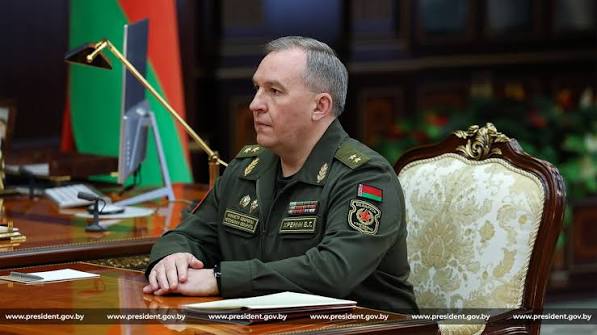
Majid Ibn al-Reza, Iran’s acting defense minister, did not leave much room for interpretation. Trump’s announcement was “nothing but a new lie,” he said, describing Iran’s military as on high alert. Iranian Foreign Minister Abbas Araghchi spoke by phone with his Saudi counterpart in the hours after Trump’s post, a signal that back-channel diplomacy had not collapsed, but Araghchi offered no confirmation that Tehran had accepted any of the terms Trump described, on the strait or on the nuclear file.
The divergence between the two accounts is not merely rhetorical. It determines whether the pause that began Saturday is the opening of a negotiation or a unilateral American declaration that Iran has no obligation to honor.
Pakistan’s Field Marshall Asim Munir and Qatari mediators have been working to bridge exactly that gap. Pakistani government sources told Anadolu Agency that the two mediating countries maintained “cautious optimism” about resuming stalled US-Iran talks in Islamabad “soon,” following Trump’s decision to stand down. The formula they have proposed calls for both sides to return to pre-July 9 positions before any substantive negotiations begin, a two-week pause in hostilities intended to create the conditions for a formal framework rather than a framework itself.
That distinction matters. A prior ceasefire brokered by the same two countries collapsed in June after disagreements over Hormuz access terms that neither Washington nor Tehran could reconcile. The collapse extended the conflict by five weeks, through additional US and Israeli strikes and Iranian retaliation that included drone attacks on Kuwaiti infrastructure and a strike on a Qatari LNG tanker in the strait itself. The mediators are now building from the rubble of that arrangement.
Ross Harrison, a senior fellow at the Middle East Institute, assessed the current moment with care, telling Al Jazeera that “unless there’s some kind of clear agreement on opening the strait, this isn’t going to hold.” The strait’s reopening is the central American demand and, according to Washington, what Iran agreed to in principle. It is also the leverage Tehran has spent 156 days refusing to surrender. Whether the two sides are genuinely closer on that specific point, or whether Trump’s announcement assumes an Iranian concession Iran has not made, is what no one outside the back-channel conversations can confirm.
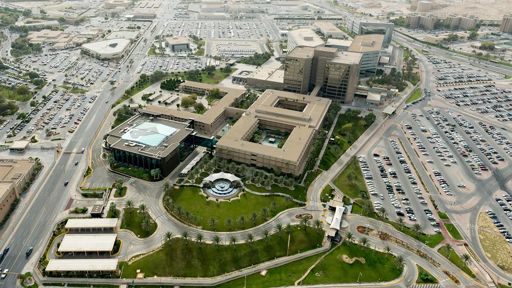
Saudi Arabia’s Crown Prince Mohammed bin Salman raised his concerns about the planned strikes with Trump directly in the days before Saturday’s announcement. The Gulf states have watched the conflict with a particular anxiety: any sustained closure of the Hormuz corridor or escalation that damages Gulf energy infrastructure would impose costs on Riyadh and Abu Dhabi that they did not choose to incur. That pressure from the Gulf, and not necessarily from Tehran, may have been the more immediate catalyst for the cancellation. Trump’s post credited “Tehran and other Middle Eastern countries” with the request to pause, a formulation that leaves open the possibility that Gulf intermediaries rather than Iranian officials made the ask. Al Jazeera’s analysis of the shift noted the same ambiguity.
That ambiguity has been the defining feature of this conflict’s diplomacy for months. The Gulf states’ diplomatic pressure that helped produce Saturday’s announcement did not resolve the fundamental disagreement over Hormuz: Tehran reads American conditions about strait access as demands that amount to capitulation; Washington reads Iran’s continued closure as the central obstacle to any deal.
Senator Chris Van Hollen had flagged a domestic military constraint the administration has been reluctant to acknowledge publicly: American interceptor stockpiles have been drawn down to levels that leave US forces stationed abroad less protected than when the campaign began. “We have depleted our interceptors… necessary to protect American troops,” Van Hollen said, pointing to a logic for a pause that exists independent of the diplomatic one. General Dan Caine, the chairman of the Joint Chiefs of Staff, has been advising the White House on strike planning throughout the campaign.
Iran’s armed forces were watching Saturday evening. Whether the announcement they were watching represents a deal their government negotiated, a ceasefire their mediators arranged, or a unilateral American decision Tehran is under no obligation to reciprocate was, by nightfall, still unclear.