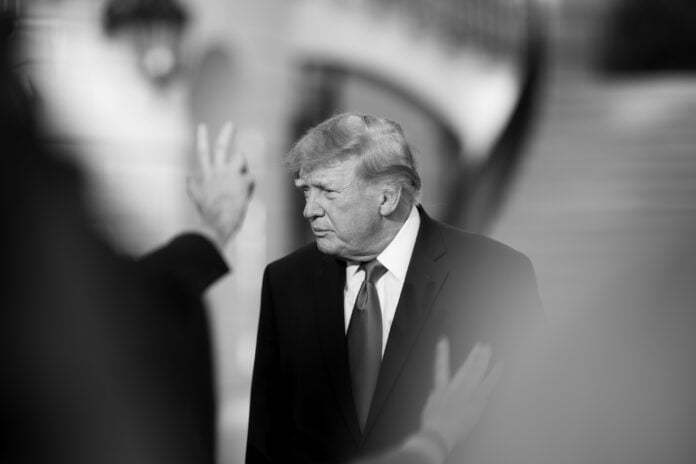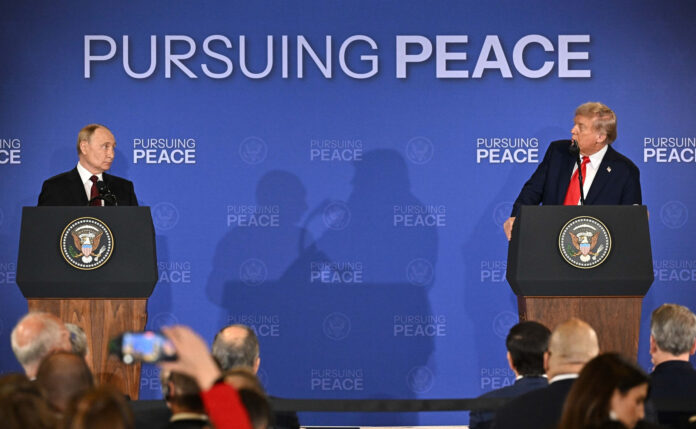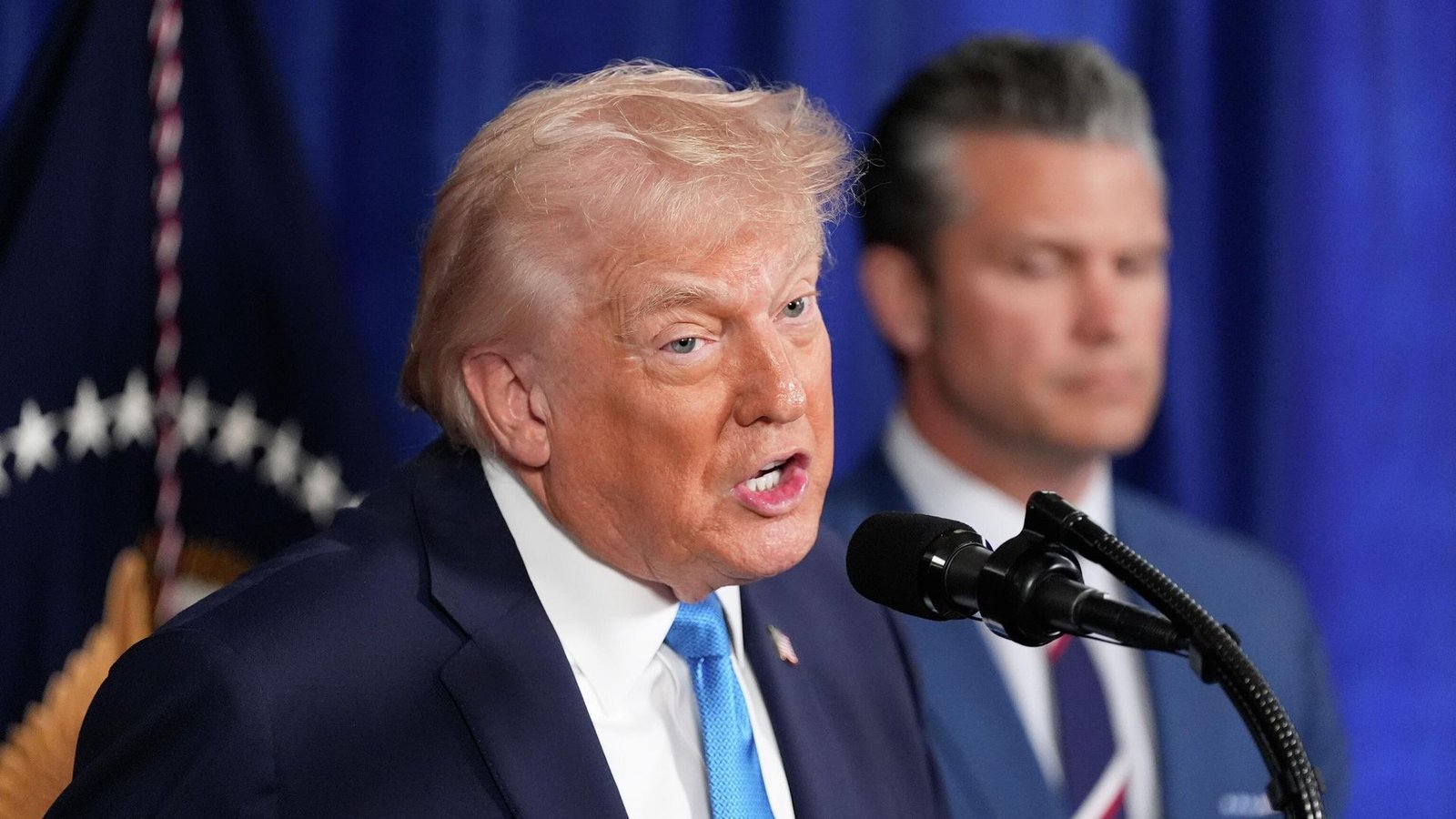

WASHINGTON – Iranian military commanders who had spent Friday night tracking American strike packages positioning across the Gulf woke Saturday morning to a Truth Social post. Donald Trump, who hours earlier had presided over a Camp David war council, announced he had called off the planned bombardment of Iran and was pursuing an immediate deal instead.
The reversal came after a cascade of diplomatic calls, most notably from Saudi Crown Prince Mohammed bin Salman, who contacted Trump directly on Saturday to urge reconsideration. Qatar, the United Arab Emirates, Turkey, and Pakistan also raised objections, according to a senior U.S. official speaking on the condition of anonymity. In his post, Trump said that “Iran and other Middle Eastern countries asked us to pause any strikes while deal parameters are being negotiated,” adding that he had agreed, conditionally, “for the future benefit of the WORLD, and likewise the survival of a successful and prosperous Iran,” the Jerusalem Post reported.
The pivot was striking in its abruptness. As recently as Friday, Trump himself described the U.S. military as “locked and loaded and ready to go against the Islamic Republic of Iran, at levels of Military Terror, Strength, and Power not seen since World War II.” White House staff had spent the week planning what multiple reports described as a heavy two-week bombardment of Iranian missile sites and energy infrastructure. By Saturday afternoon, the plan was on hold.
Trump’s conditions for a deal are not new: Tehran must fully open the Strait of Hormuz and demonstrate it has ended its nuclear weapons program. What shifted Saturday was the suggestion that Iran was willing to negotiate at all. Iranian security sources had told Tasnim news agency as recently as Friday that the country had “prepared a comprehensive response plan, including critical infrastructure facilities of the Zionist regime and US energy infrastructure in the region.” Whether Saturday’s indirect progress reflects a genuine pivot by Tehran or a stalling tactic designed to buy time remains the central question facing both sides.
Indirect U.S.-Iran talks, which have proceeded through backchannel intermediaries, produced what one diplomat characterized as “some progress” during Saturday’s session, though no agreement was reached. The gap between Trump’s stated conditions and anything Tehran has publicly accepted remains substantial. The ceasefire Trump declared void last month after Iranian forces escalated against Gulf partners, including through drone strikes against Kuwait, was never formally recognized by Tehran, and the deal parameters Trump referenced Saturday remain undefined.
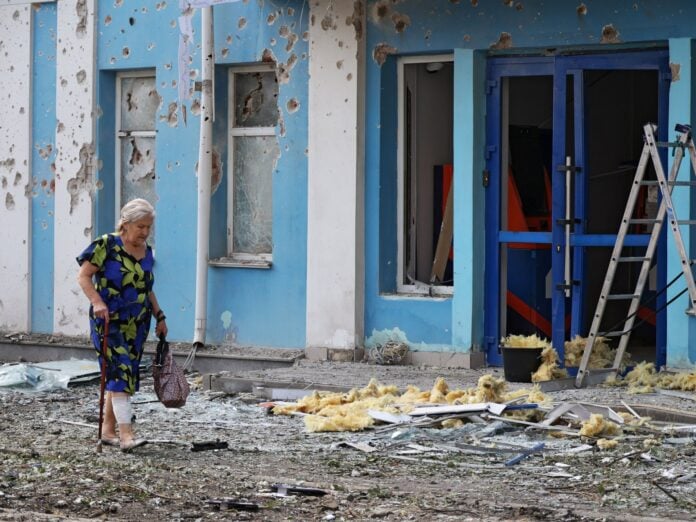
The decision also reflected a domestic political crisis that Trump can no longer defer. A Reuters-Ipsos survey released this week found just one in three Americans now support the war, the lowest figure since fighting began in late February. With midterm elections approaching and gasoline prices remaining elevated after months of conflict in the Gulf shipping lanes, senior Republicans have been warning the White House that the war is becoming an electoral liability.
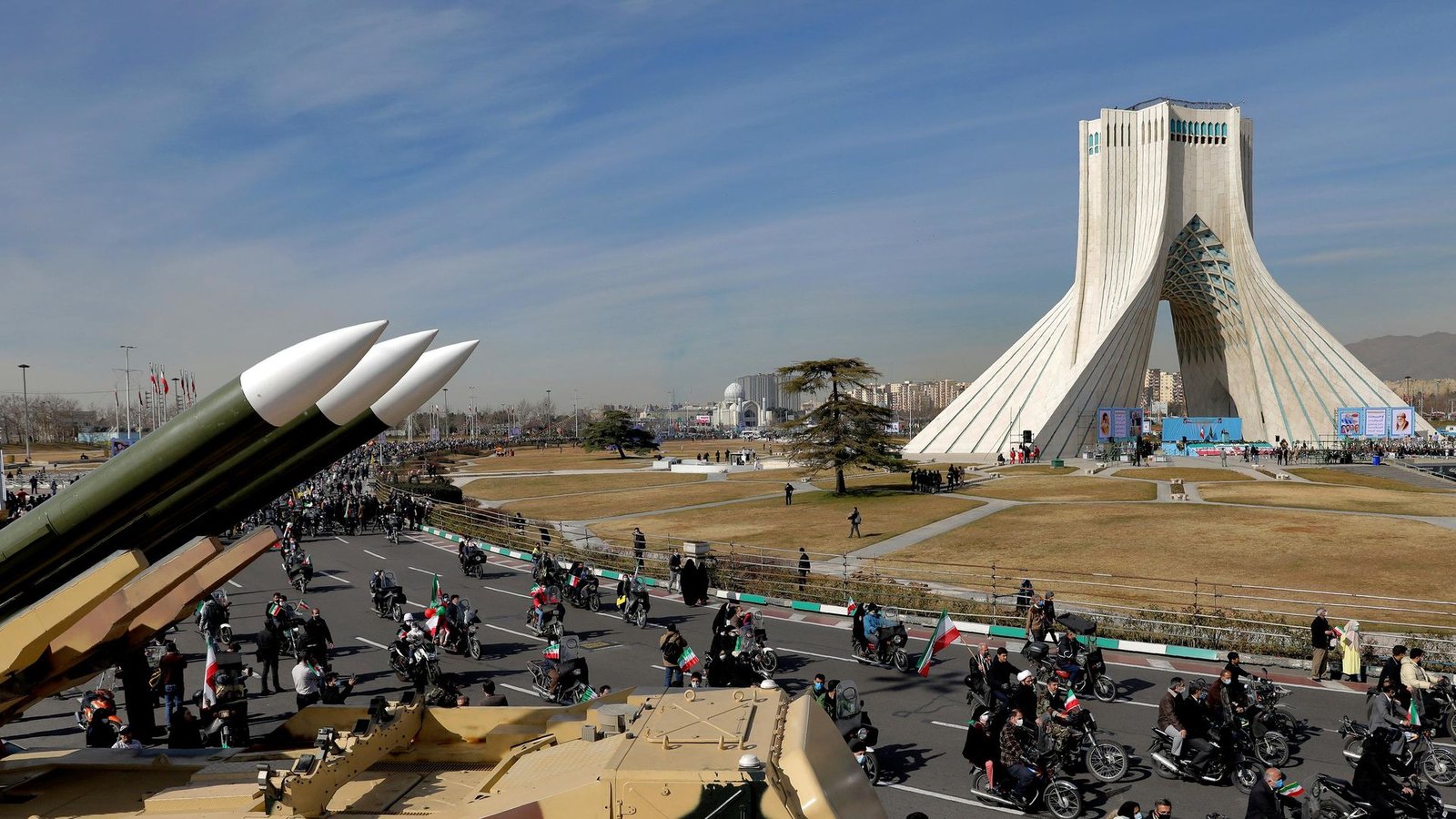
Trump’s Camp David meeting on Friday, his thirteenth cabinet session of the second term, was framed publicly as a routine foreign policy review. Inside Washington it was read as a pressure test: whether to strike Iran’s energy infrastructure before global markets opened Monday, or accept the diplomatic offramp that Gulf allies were frantically constructing. A U.S. official confirmed, according to the Jerusalem Post, that Saudi leaders “expressed concern and asked for clarity about the plan of action.” The kingdom has quietly coordinated with Washington throughout the five months of conflict; its decision to object publicly signals that Riyadh calculates a strike on Iranian oil fields could ignite a regional conflagration that would devastate Gulf economies alongside Iran’s.
Israel, whose intelligence drove much of the recent strike planning, appears to have been caught off-guard. Jerusalem had raised its alert status in anticipation of American military action. The relationship between Trump and Prime Minister Benjamin Netanyahu had grown visibly strained in the days before Saturday’s announcement: when Netanyahu arrived at the White House on July 28 carrying new intelligence about Iranian nuclear activity at a fortified underground facility near Natanz, the administration declined to make any public commitment in response. “Why do you have to announce it to the world?” Trump had asked beforehand, a public rebuke that indicated how far the two leaders’ strategic priorities had diverged. While Netanyahu has pushed for military action to permanently degrade Iran’s nuclear capability, Trump faces an electorate that has grown tired of the war.
What Saturday’s announcement made plain is that the United States will not strike while its Gulf partners are publicly objecting. That leverage, which Saudi Arabia and Qatar spent months carefully building, appears to have worked for now. The strike plans, which had already prompted American embassies across the region to urge US citizens to consider leaving, rattled Gulf sovereign wealth managers who have extensive exposure to regional energy assets. For Riyadh, the calculation was straightforward: the kingdom cannot allow a war that disrupts Gulf energy production to proceed without at least extracting a pause and a seat at any resulting negotiations.
Whether this reprieve becomes a genuine negotiating track, or whether the strikes slip to another weekend, will depend on what Iran’s diplomats offer in the coming days and whether Trump, facing pressure from Netanyahu and the Republican right, can resist the pull toward escalation long enough for a deal to take shape. Israel has not signaled any willingness to observe a pause, and its own military assessment of the Iranian nuclear threat has consistently led Jerusalem to conclusions that differ from Washington’s. The next move belongs to Tehran.