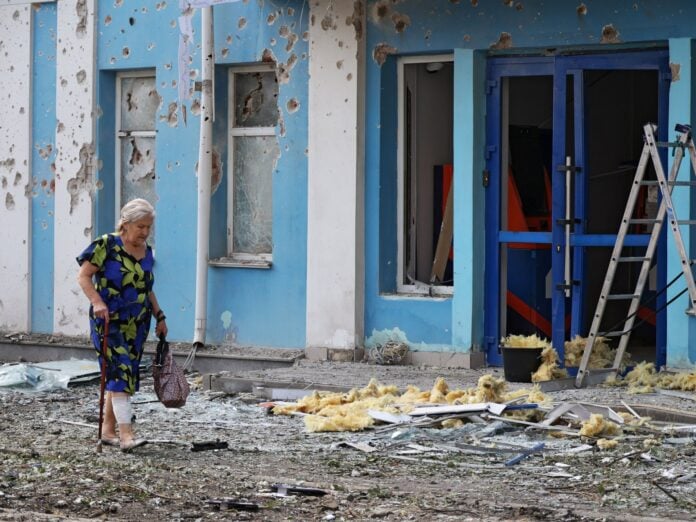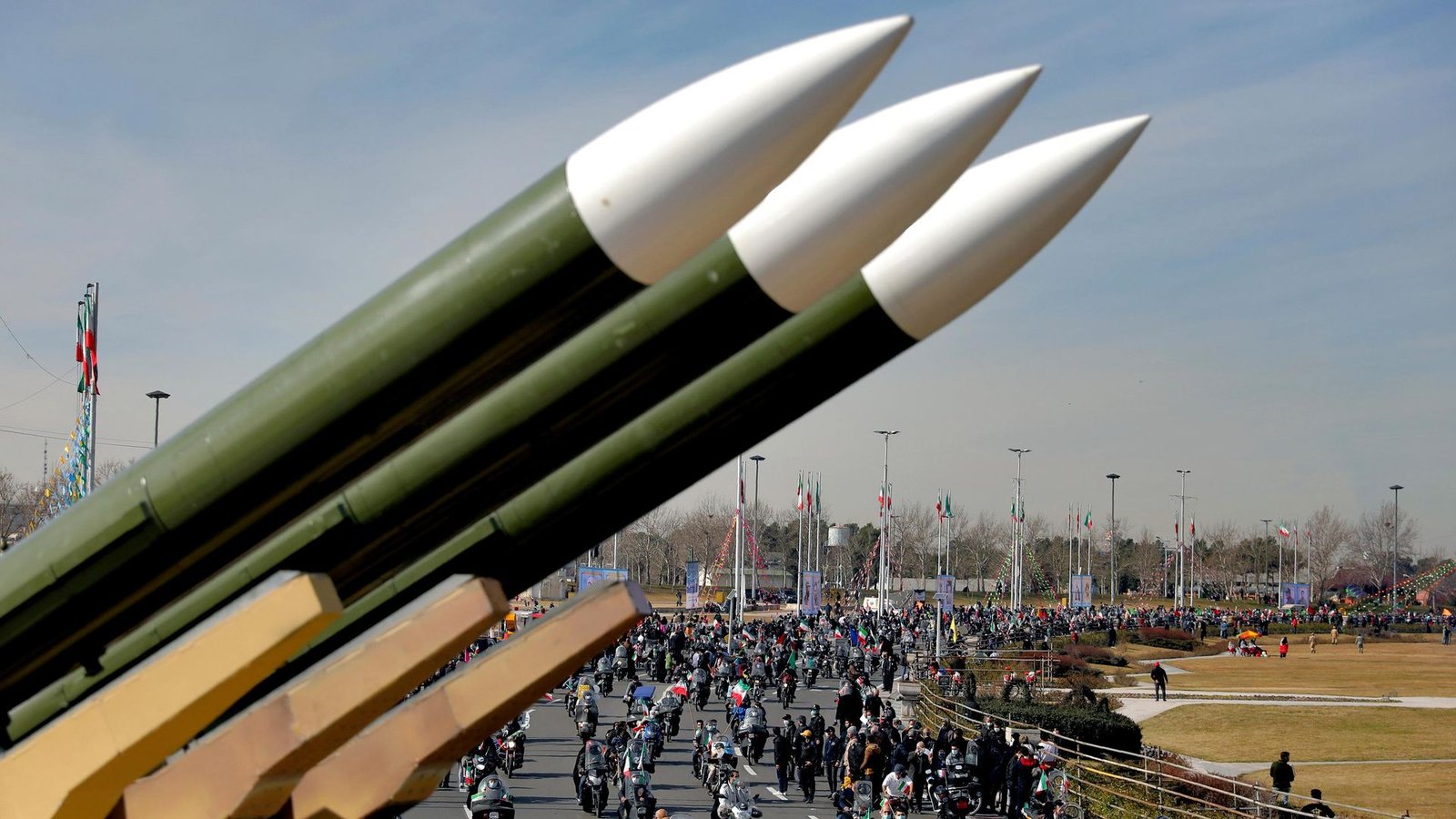

WASHINGTON – The White House has received detailed military plans for a sustained bombing campaign against Iran’s energy facilities and missile sites, with strikes potentially scheduled for this weekend, US media reported Friday, even as Iran issued direct threats to target the energy infrastructure of Gulf states if Washington proceeded with fresh attacks.
CBS News, citing US officials familiar with the deliberations, reported that American and Israeli military planners had briefed the White House on options for a “heavy 2-week bombardment of Iran’s missile sites,” with energy infrastructure explicitly included among the targets, Sputnik International reported. The planning reflects a significant escalation in targeting philosophy from earlier phases of the conflict.
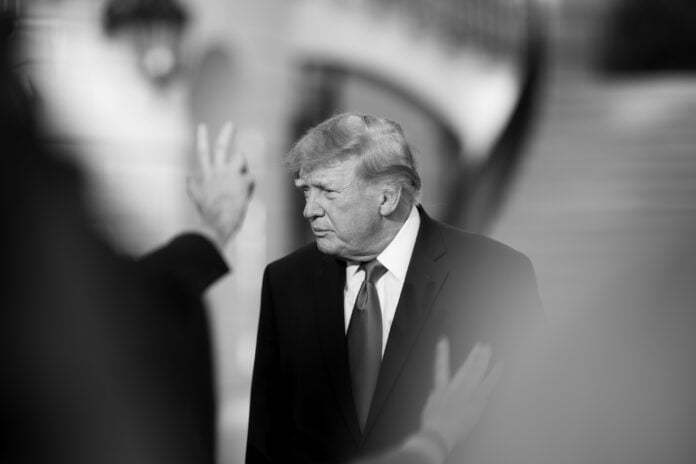
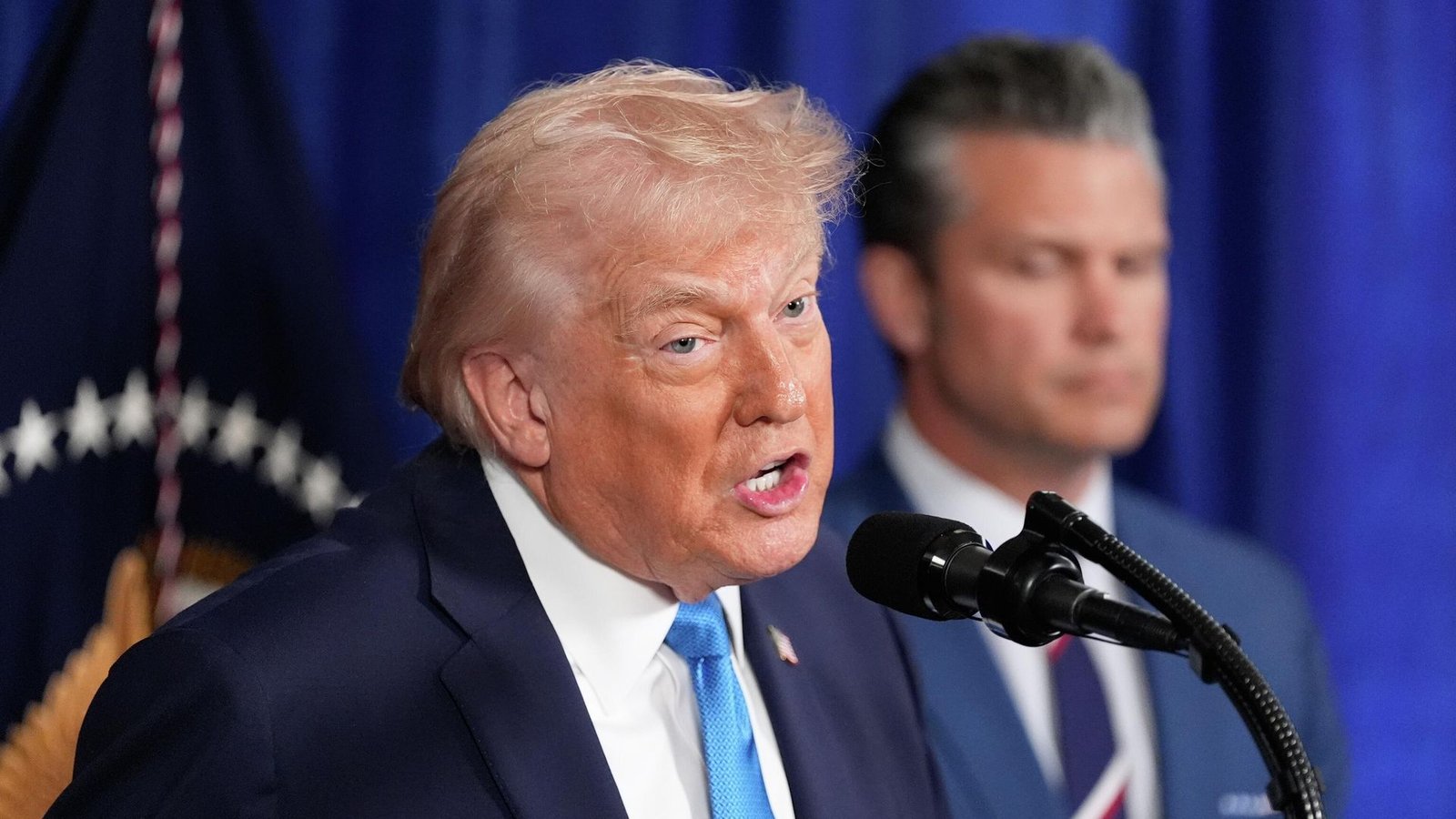
CNN added that President Donald Trump, though presented with the strike options, had expressed hesitation about authorizing attacks on Iranian energy installations. His concern centered not on the legality of such operations but on the economic consequences: a disruption to Gulf oil flows could spike global energy prices at a moment when Trump’s domestic agenda cannot absorb another inflation shock.
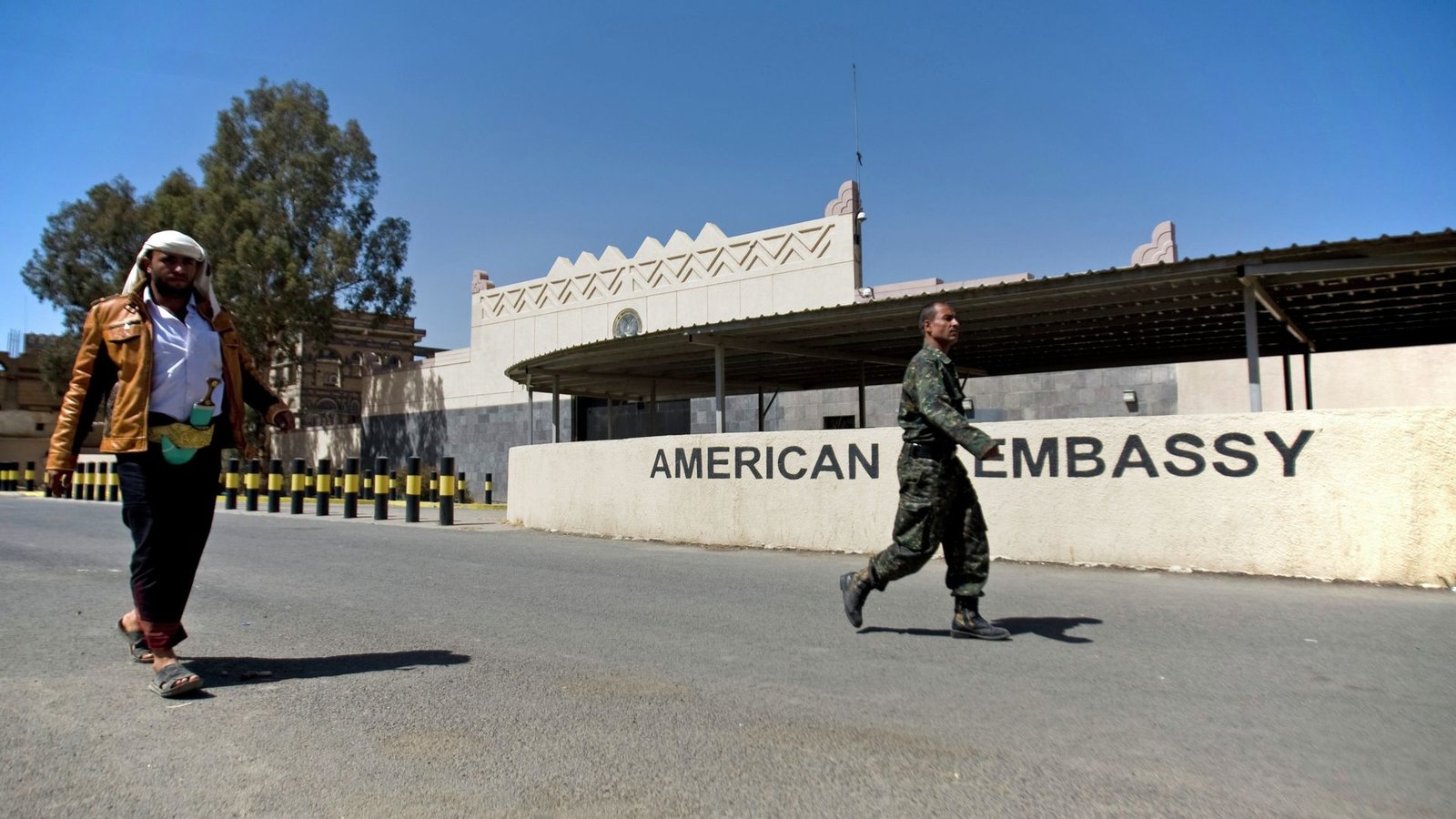
The threat arrived into an already volatile region. On Friday, Kuwait confirmed it had intercepted and destroyed Iranian drones crossing its airspace, extending a confrontation with Iranian forces that had been building for days. An Iranian-linked cyberattack on 39 US water treatment plants midweek prompted Trump to publicly blame a state governor in a move widely condemned as deflection. On Saturday morning, the State Department instructed diplomatic missions across the Middle East to issue departure advisories to American citizens in the region.
The present crisis has its origins in an operation that began on February 28, 2026. The United States, acting in coordination with Israel, launched what it designated Operation Epic Fury, a campaign of strikes targeting Iranian military assets. A ceasefire memorandum was signed June 18, briefly halting the exchange of fire. The truce collapsed in less than three weeks. US strikes resumed July 8 after Washington accused Iran of directing attacks on commercial shipping in the Strait of Hormuz. When Iranian forces retaliated against American military bases in the region, Trump declared the ceasefire void.
What distinguishes the current phase is the targeting logic under consideration. Earlier rounds of Operation Epic Fury concentrated on air defense batteries, Revolutionary Guard facilities, and specific missile launchers. The plans now before the White House reportedly extend the campaign to Iran’s economic core: the oil fields, refineries, and export terminals that finance the state and supply its population. That shift, if authorized, would constitute a qualitative change in the character of the conflict.
The hesitation attributed to Trump by CNN’s sources reflects a contradiction that has shadowed the campaign from its outset. The president launched the operation with promises of a swift degradation of Iranian military capacity; the war has instead widened, persisted, and found its way into American domestic infrastructure through repeated cyberattacks. Each escalation has produced a counter-escalation. The prospective energy strikes look less like a finishing blow than another rung on an ascending ladder that neither side has appeared ready to descend.
Iran’s calculation appears to be one of deterrence by expansion. By threatening Gulf states’ oil installations, Tehran is placing the economic consequences of a US strike on the region as a whole, not merely on Iran. The price at stake is measurable: the Gulf produces roughly a quarter of the world’s oil output. Even a partial disruption of that supply, triggered by retaliatory Iranian strikes on Saudi Aramco facilities, Qatari LNG terminals, or Emirati pipelines, would send crude prices to levels not seen in decades. Oil traders had already begun pricing in elevated risk premiums as the weekend approached.
What remains unknown is whether Trump will ultimately authorize the strike package his advisers and Israeli counterparts reportedly favor. The specific Iranian facilities on the target list have not been disclosed. It is not clear whether Gulf governments have been formally notified of Iran’s counter-threat, or how they would respond to attacks on their own infrastructure. The region entered the weekend with no public resolution and little visible room for de-escalation on either side.