
WASHINGTON – Eight US embassies issued coordinated security alerts on August 1, urging American citizens across Jordan, Iraq, Israel, Saudi Arabia, Kuwait, Bahrain, Qatar, and Oman to consider departing the Middle East, as Iranian attacks expanded to targets that had not previously been struck. The unified scope of Saturday’s warnings represented the most comprehensive American departure advisory since the conflict began in late February. An American family attending a conference in Amman received the notification alongside a specific instruction their embassy had not previously needed to issue: do not visit US military bases in Jordan.
The security alert posted by the US Embassy in West Jerusalem characterized Iran as “unpredictable,” noting that recent attacks had expanded without warning to regions that had not previously been targeted. The embassy urged Americans in Israel to identify the location of the nearest bomb shelter. The Baghdad mission told Americans that “the security environment remains complex,” with the potential for “unforeseen escalation” requiring citizens to be prepared to depart. Across the eight embassies, the advisory language was coordinated but not identical, with each mission tailoring the guidance to local conditions while sharing a single underlying message, TRT World reported.
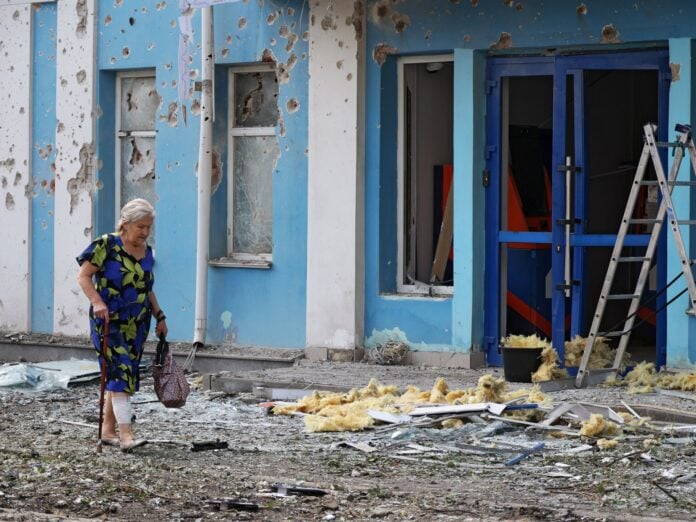
The proximate trigger for Saturday’s unified warning was a drone strike earlier in the week on a US-owned gas vessel at Egypt’s Damietta Port, which caused a fire Egyptian authorities are still investigating. No group publicly claimed responsibility. The US Embassy in Jerusalem specifically noted that the attack struck a location that had not previously been targeted. Iran denied involvement. The expansion of potential strike targets to include a commercial gas vessel in an Egyptian port changed the geometry of the threat environment that American embassies had been communicating to citizens: a conflict that had operated with at least some geographic logic was no longer contained within it.
Jordan’s warning was notable for a specific prohibition that previous advisories had not included. The embassy told Americans not to visit US military bases in the country, acknowledging openly what officials had not previously stated: that Jordanian installations hosting American troops have recently experienced Iranian missile attacks. Jordan has been a staging point for US logistics and surveillance operations across the region since February. The instruction to avoid those facilities signals that the bases are no longer considered safe for civilian proximity, even as US forces continue to operate from them.
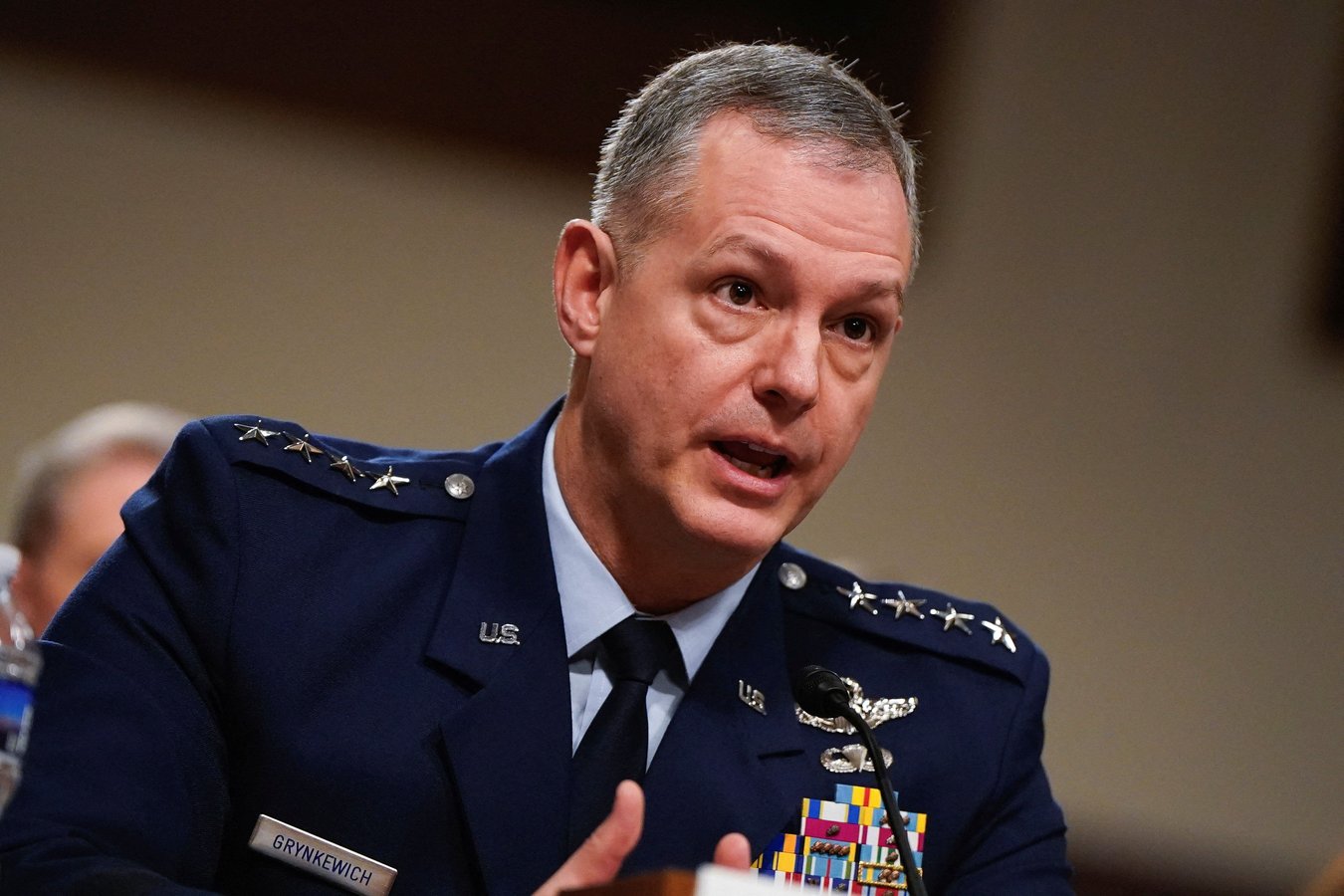
The simultaneous issuance of warnings across all eight embassies on the same day suggests coordination at a level above each individual mission, likely driven by intelligence the State Department has assessed across the region. A US general’s private warning to the Pentagon this week that American naval forces in the eastern Mediterranean were insufficient to defend both Israel and the US homeland simultaneously reflected the same underlying pressure: the conflict has spread faster than the initial military planning anticipated.
Operation Epic Fury, the US-Israeli campaign launched February 28 against Iran’s military and nuclear infrastructure, triggered retaliatory Iranian strikes on American bases across the region within days. A ceasefire was announced June 18. President Donald Trump declared it null on July 8, citing resumed Iranian weapons transfers to proxy groups. US military operations resumed, targeting Iranian logistics and energy supply chains. Iran responded with drone campaigns against Gulf installations and, by August 1, with strikes against maritime shipping in Egyptian waters.
Sputnik reported on August 1 that Iran had prepared a large-scale response plan for any US or Israeli strikes on its energy infrastructure, and that the United States and Israel were weighing precisely such strikes over the coming days. If carried out, attacks on Iranian power and oil facilities would constitute a significant escalation beyond the military-to-military exchanges that have defined most of the conflict since February. Neither the State Department nor the Pentagon confirmed or denied those reports. Iran has also shifted to targeting American civilian infrastructure, with FBI investigators linking a breach of 39 US water facilities across seven states to Iranian-linked hackers this week.
Beyond the eight countries where embassies issued departure warnings, the State Department advised Americans outside the Middle East to reconsider travel to and through the region. Airlines have already begun adjusting routing to avoid certain airspace corridors, and commercial options into several Gulf cities have become less reliable since the ceasefire collapsed. Americans in the eight listed countries were told to check flight schedules regularly, anticipate disruptions, and prepare documentation in advance.
What the Saturday advisory does not contain is a timeline, a specific threat assessment, or any indication of which development drove all eight missions to coordinate warnings on the same day. American citizens were told to consider leaving. They were not told why Saturday was the day for that advice rather than any previous one, or what the embassies know that they have not shared. That silence is the condition in which American travelers across Jordan, Iraq, Israel, Saudi Arabia, Kuwait, Bahrain, Qatar, and Oman are now deciding whether to stay.