
WASHINGTON – When Donald Trump convened his first televised Cabinet meeting of the summer at Camp David, aides expected a rehearsed display of executive confidence. What the room got instead was a campaign speech. Told that Iranian-linked hackers had struck 30 water treatment plants in Minnesota, the President waved the intelligence aside. “I think I blame it on Minnesota because they’re grossly incompetent,” Trump said to his assembled secretaries. “Iran’s got bigger problems than worrying about Minnesota.”
The dismissal landed as the FBI was actively coordinating an investigation linking the breaches to CyberAv3ngers, an Iran-controlled hacker collective that US federal prosecutors previously indicted for targeting American water infrastructure. One day later, Michigan confirmed nine of its own water systems had been compromised. The combined tally of 39 affected facilities across at least seven states now constitutes the largest coordinated cyber strike on US water infrastructure on record.
Federal cybersecurity investigators had reached a sharply different conclusion than the President. The Cybersecurity and Infrastructure Security Agency issued a warning on July 22 naming Iran-affiliated operatives as an active threat to control systems in the water and wastewater sector. Cybersecurity firm Tenable, examining the Minnesota intrusion, found the methodology “consistent with” CyberAv3ngers, the group Tehran is accused of directing. That collective had drawn a federal indictment for earlier water system infiltrations.
Minnesota Governor Tim Walz fired back within hours. “Trump knows exactly who is responsible for this attack, and knows that other states were hit too,” he said.
The technical character of the intrusions pointed in a precise direction. Attackers exploited programmable logic controllers, the computerized relays governing flow rates, chemical dosing, and pressure at water treatment plants, along with the remote monitoring systems connected to them. Michigan’s Department of Environment, Great Lakes, and Energy confirmed all nine affected systems “continued to operate safely.” In Minnesota, state authorities said no active water disruptions were recorded among the 30 compromised plants.
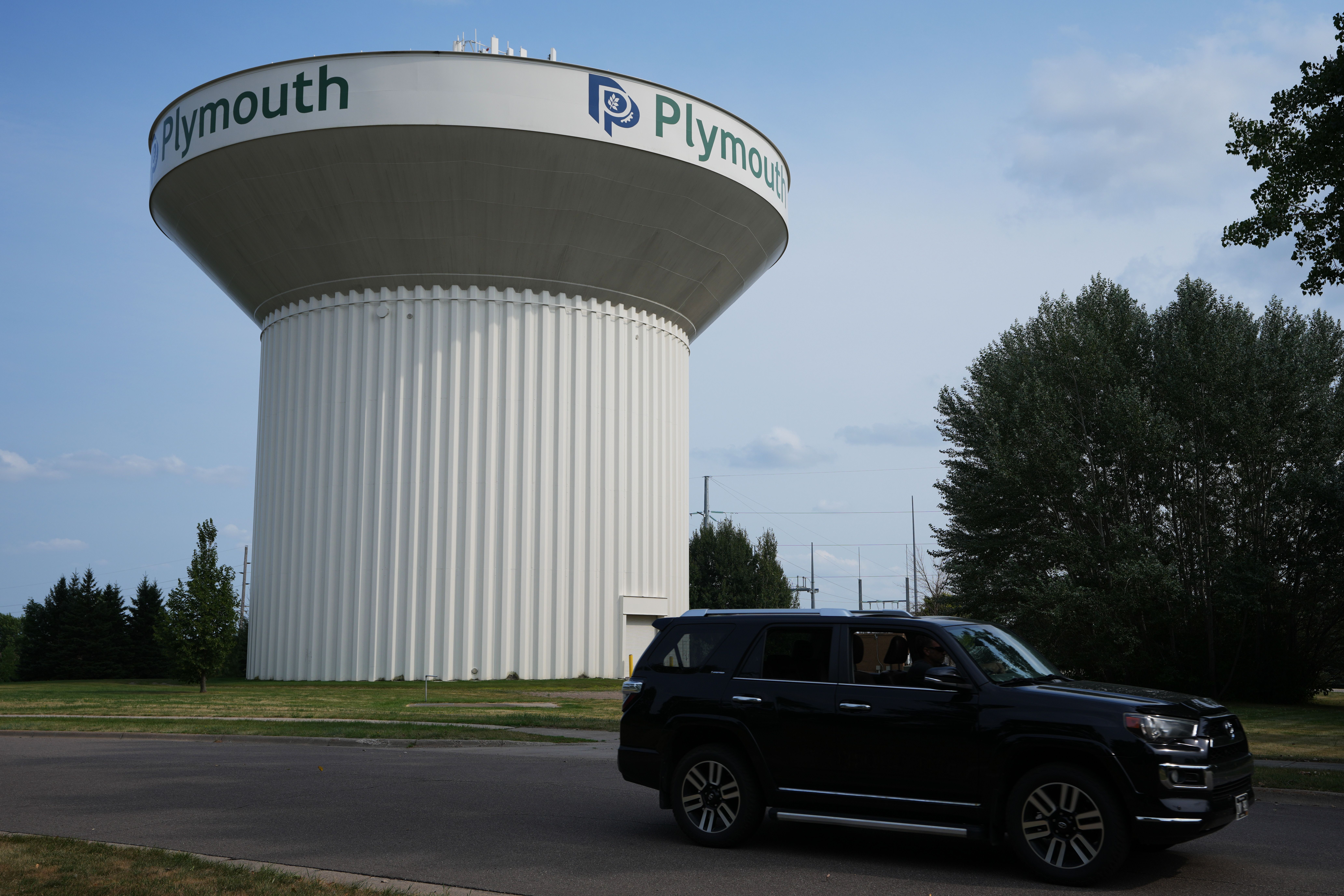
That the systems stayed operational does not diminish what was reached. Water treatment infrastructure is among the most decentralized in the United States, with thousands of facilities operating on limited cybersecurity budgets and hardware dating back decades. CISA had warned for years that foreign adversaries view this fragmentation as a standing vulnerability. The July 22 advisory, issued eleven days before the Camp David Cabinet meeting, was the most specific alert yet about Iranian intent to exploit it.
The timing carries logic that the President appeared uninterested in examining. The breaches unfolded as the US-Iran military confrontation entered a new phase. After the June 18 ceasefire memorandum collapsed on July 8, when US Central Command resumed strikes it attributed to Iranian violations of the accord, Tehran’s defense establishment signaled a broadened response. Iran’s wartime commanders had already threatened to target US and Israeli energy infrastructure if Washington pressed forward. Water systems, far from military sites but embedded in civilian life, fit the profile of asymmetric retaliation: damaging enough to demonstrate reach, contained enough to avoid the threshold that would invite a conventional response.
Trump’s refusal to name Iran fit a pattern that has solidified since the ceasefire collapsed. The Wall Street Journal reported Friday that Trump ordered a fresh wave of strikes against Iran explicitly aimed at forcing the Islamic Republic’s surrender, yet at Camp David the same president cast an Iranian-linked breach of American drinking water as Democratic mismanagement. Acknowledging the connection would require him to trace a chain of causation, that US strikes prompted Iranian retaliation on civilian infrastructure, that complicates the war’s political presentation.
The FBI issued its statement with precision. “The FBI and our interagency partners are fully engaged to protect critical infrastructure, and we remain well-equipped to protect against cyber threats of all varieties,” the bureau said. The language differed notably from Trump’s. Law enforcement confirmed an active investigation. The President had already delivered a verdict from Camp David.
What federal officials have not disclosed is which five of the seven affected states they are withholding. The FBI confirmed the broader count but named only Minnesota and Michigan. The silence has driven speculation among cybersecurity researchers and Democratic officials that the scope is larger than the public accounting suggests. Water officials in smaller municipalities told Al Jazeera they lack the resources to handle intrusions of this technical complexity.
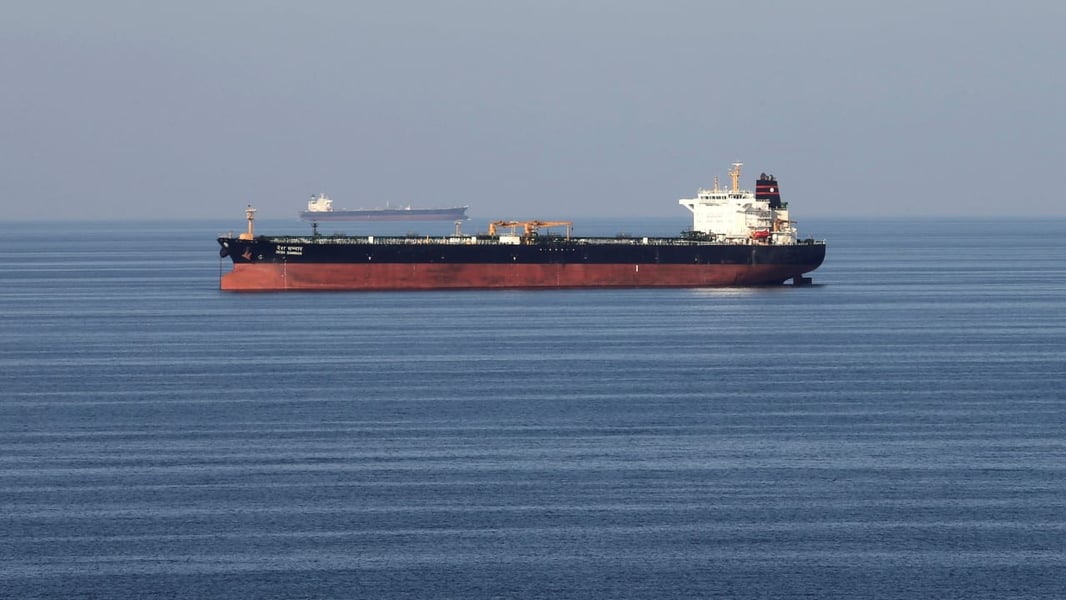
For a country watching its military trade strikes with Iran over the Strait of Hormuz, the infiltration of domestic water systems marks a different kind of front. Less visible than a missile launch and by design deniable, the breaches arrive at a moment when the administration’s own intelligence agencies and its political leadership appear to be operating from entirely different maps of the same threat.
Related Posts