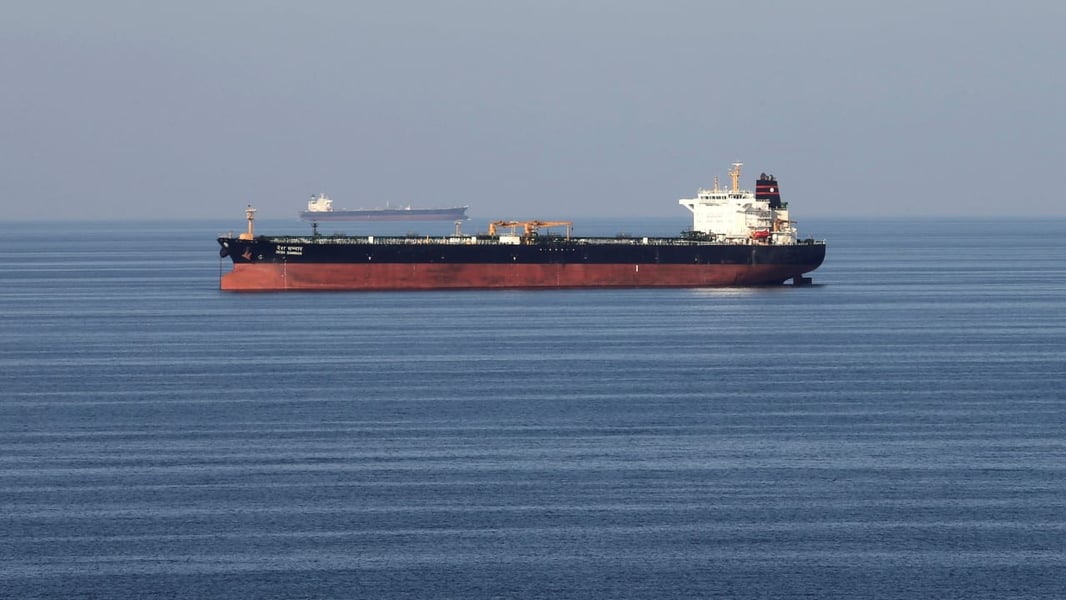

MOGADISHU — Six men climbed aboard a tanker in the Gulf of Aden last Thursday. The Sibu 1, an Eritrea-flagged oil vessel already under United States sanctions for ferrying Iranian petroleum in violation of export controls, was diverted off Yemen’s coast and began moving toward Somalia. It became, in the ledger that maritime security analysts have been keeping this year, the thirteenth vessel seized or attacked off the Horn of Africa in 2026. There were five in all of 2025.
No crew injuries had been reported as of the weekend, and no ransom demands had been made public. What had been made public was the identity of the vessel — and what that identity reveals about a resurgent piracy industry that may be harder to suppress the second time around.
The Sibu 1’s seizure is not simply a crime story. It is a geopolitical one. The tanker was placed on the United States Treasury Department’s sanctions list in December, identified as part of the shadow fleet of vessels used to move Iranian oil past the reach of Western export controls. That made it, in the logic of the Gulf of Aden, a vessel whose owners had limited access to international rescue mechanisms, and whose cargo represented a target for groups motivated as much by commercial opportunity as by ideology. And it arrived at a moment when the naval forces that once patrolled these waters have been pulled elsewhere.
“The piracy was always suppressed. It was never really fully eradicated,” Timothy Walker, a senior researcher at the Institute for Security Studies in Pretoria, told the Jerusalem Post this week. The suppression he was describing lasted roughly a decade — from the coordinated naval patrols that reduced hijackings to near-zero between 2013 and 2022, to the abrupt reconfiguration of those same naval assets toward the Strait of Hormuz and the Red Sea as Iran and the Houthis became the dominant threats to shipping. The pirates, Walker was suggesting, had been waiting.
Jay Bahadur, researcher and co-director of Scopus Insights, a consultancy that tracks maritime crime, offered a more granular picture of how that reconfiguration plays out. The Sibu 1’s connection to Iranian petroleum transport made it an unlikely Houthi target — the armed group based in Yemen’s north has its own strategic calculus about which vessels to attack. What it would attract, Bahadur suggested, was something older: “You’re having these traditional, longstanding relationships built around arms trafficking and human smuggling built up between Yemeni criminal actors and Somali criminal actors.” The six men who boarded the Sibu 1 did not need a political rationale. They needed a target.
The numbers behind that target selection have shifted in ways that make the resurgence difficult to dismiss as an anomaly. Oil prices have risen through 2026, making tankers more commercially attractive to criminal networks that calculate ransom potential against enforcement risk. The naval assets of the United States and its European partners that provided the patrols underpinning the period of reduced piracy after 2013 have been substantially redeployed. The widening Iran-Israel war and the Houthi threat to Red Sea shipping have pulled Western warships toward the Strait of Hormuz and its approaches, leaving the longer coastlines of the Horn of Africa thinner in coverage than at any point in the past decade.
The first Somalia piracy crisis peaked between 2008 and 2012, when armed groups operating from Puntland’s ungoverned coastline seized hundreds of vessels, held thousands of crew members hostage, and collected hundreds of millions of dollars in ransom. International shipping rerouted around the Cape of Good Hope. Insurance premiums for Gulf of Aden transits spiked. A multi-nation naval coalition, including the European Union’s Operation Atalanta and NATO’s Ocean Shield mission, gradually brought the attacks under control, reducing successful hijackings from more than thirty per year at the peak to effectively zero by the mid-2010s.
What did not change was Somalia. The conditions that produced the first wave — the collapse of central governance, the destruction of artisanal fishing grounds by foreign industrial fleets, the absence of economic alternatives for coastal communities, the presence of organized criminal networks with established ransom logistics — remained largely intact through the suppression period. When the naval patrols thinned, no Somali institution capable of filling the enforcement gap had emerged.
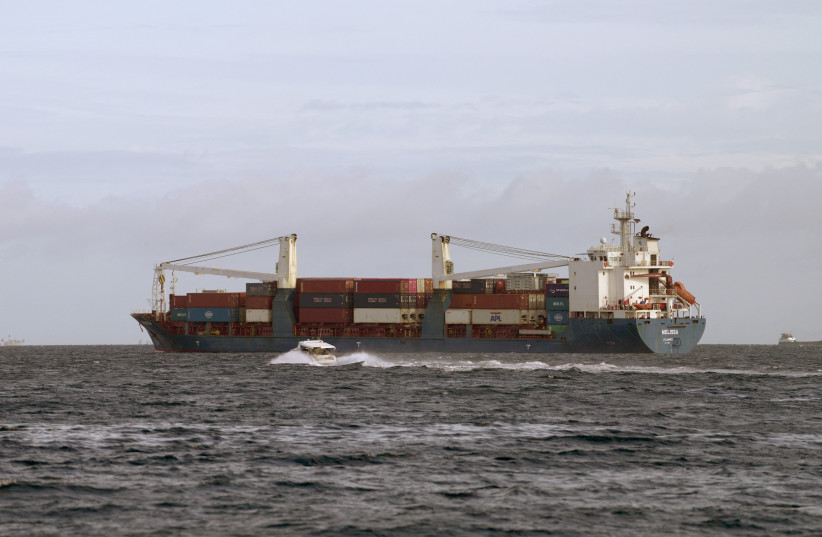
Whether the crew, whose identities were not released, will be used as a ransom instrument or as leverage in some other negotiation remained unclear as of the weekend. No faction had claimed the seizure. The thirteen attacks this year against five in 2025 is a trend line that maritime security analysts had begun warning about months before the Sibu 1 was boarded. The ship did not produce the warning. It confirmed it.