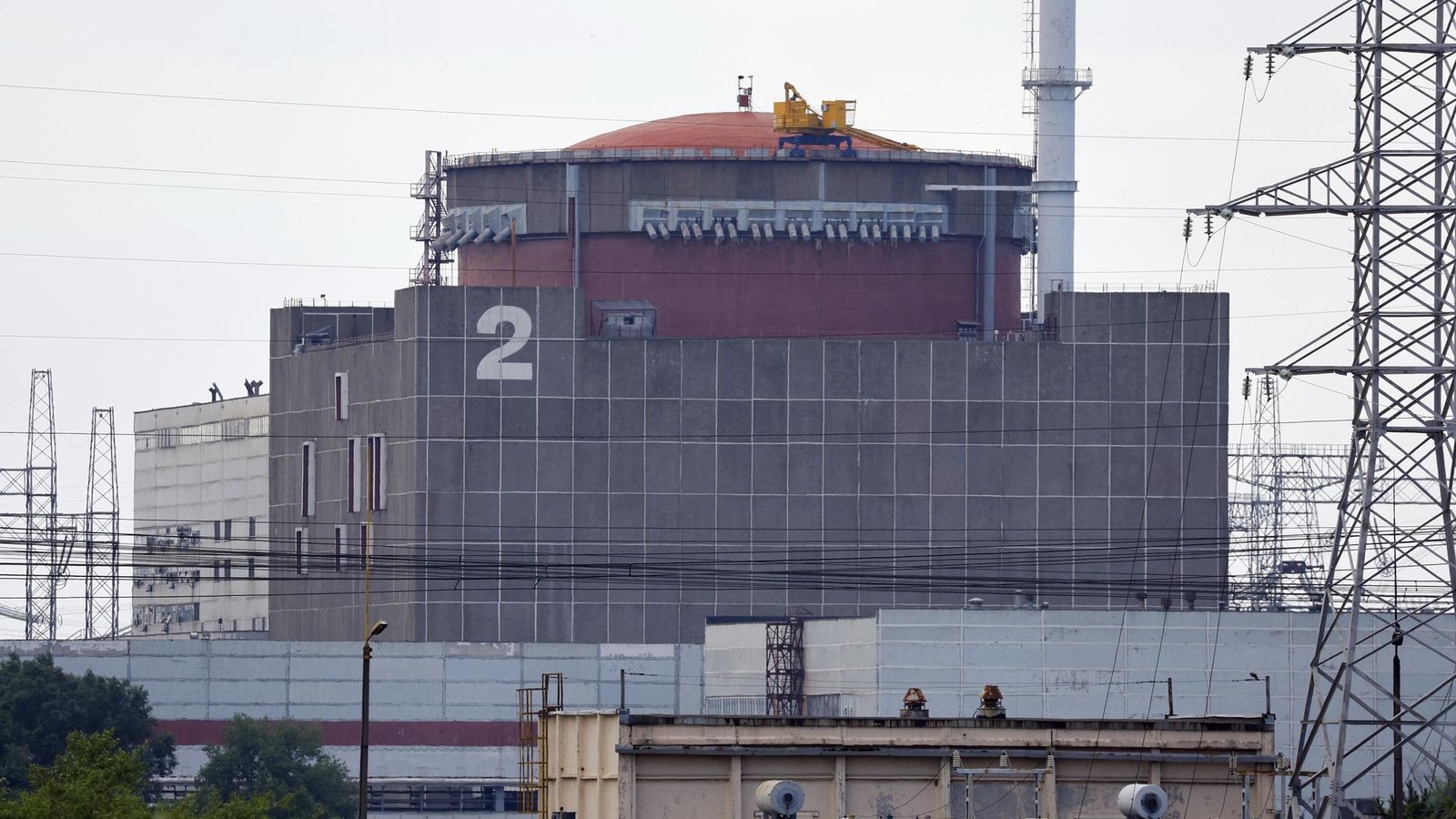

MOSCOW — A Ukrainian military drone struck the gallery connecting all six power units of the Zaporozhye Nuclear Power Plant overnight, landing a few meters from the reactor room of the facility’s third unit, Rosatom CEO Alexey Likhachev said Sunday, as Sputnik reported. There was no explosion and no injuries. But the drone reached the interior corridor through which plant personnel move between reactor buildings — the closest any strike has come to the reactor rooms themselves in recent months — and Rosatom was assessing structural damage to the gallery as of Sunday morning.
The overnight strike came at the end of a week Likhachev described as persistently tense. Shelling of Energodar, the city that houses the plant’s workforce and sits immediately adjacent to the facility on the left bank of the Dnieper River, has continued daily. The area around the station itself has also been hit without interruption, he told reporters, according to TASS. That pattern of daily strikes has not changed, Likhachev said — “the situation around the Zaporozhye Nuclear Power Plant and in Energodar has not become less tense” over the past week.
The power supply situation adds a distinct layer of risk. The ZNPP currently receives electricity through a single 330 kilovolt transmission line — the Ferrosplavnaya-1 line — which Likhachev identified as the source of particular concern. Europe’s largest nuclear plant, even in cold shutdown mode, requires external grid power to maintain cooling systems for the fuel stored in its six reactor units. Without grid power, the facility depends on emergency diesel generators, a backup system that is reliable in short interruptions but that carries increasing risk the longer it operates. The Ferrosplavnaya-1 line is the last remaining active grid connection; any damage to it would trigger an immediate transition to generator power.
The ZNPP’s situation on the grid has deteriorated significantly since Russia took administrative control of the facility in October 2022. The plant has been fully disconnected from Ukraine’s power grid multiple times during the conflict, relying on diesel generators for cooling while grid connectivity was restored. As of April 2024, all six reactor units entered cold shutdown mode — a state in which fission has stopped but the fuel remains in the reactors and requires continuous cooling. That cooling requirement is permanent and does not diminish with time; it means the external power supply question will remain critical for years, not months.
The IAEA has maintained an inspection presence at the ZNPP since late 2022 and has repeatedly called for a protected zone around the facility and a halt to strikes in its immediate vicinity. Those calls have produced neither a negotiated exclusion zone nor a cessation of hostilities in the area. Ukraine has attributed strikes on and near the plant to Russian forces operating from within the facility’s perimeter. Russia has attributed them to Ukrainian military operations. Both sets of claims have been made repeatedly without independent verification that would assign clear responsibility for individual incidents.
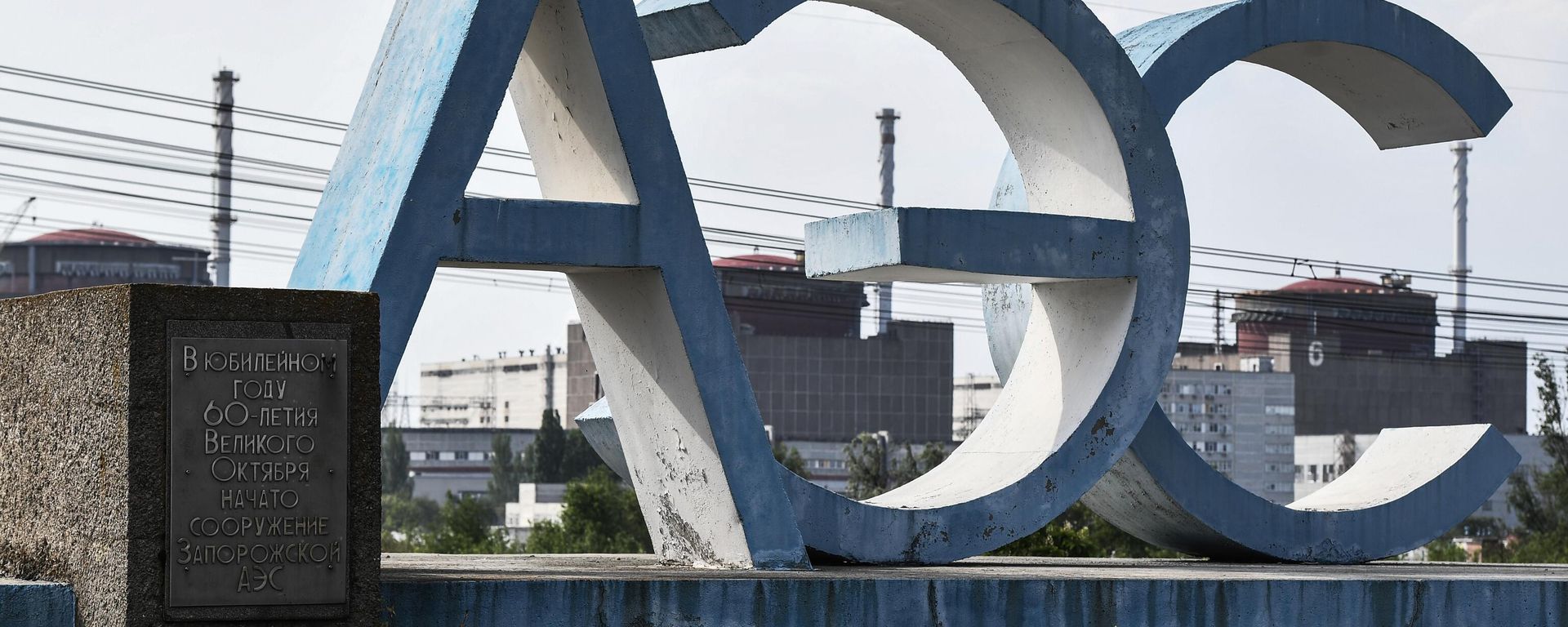
Sunday’s drone strike on the personnel gallery is notable for what it targeted. The gallery is an interior structural element — the corridor through which operators and technicians move between the plant’s six reactor buildings. Damage to it would complicate the plant’s ability to respond to emergencies that require rapid movement between units. Rosatom has been tracking Ukrainian drone strikes on infrastructure associated with Russian nuclear operations, and Sunday’s incident represents an escalation in proximity to the reactor structures themselves, even if the drone failed to cause an explosion.
Ukraine’s military has not commented on the gallery strike as described by Likhachev. Kyiv’s consistent practice has been not to confirm or deny specific strikes on ZNPP infrastructure, while maintaining that Russian forces bear responsibility for any incidents at the site. The Ukrainian armed forces have used uncrewed aerial vehicles with increasing range and precision throughout the conflict, and the ZNPP sits well within the operational envelope of Ukrainian drone systems.
Energodar’s population has been substantially displaced since the start of the conflict. The city’s continued shelling affects the pool of trained nuclear technicians available to maintain the facility, a concern that Likhachev’s Sunday statement did not address directly but that is implicit in any discussion of the plant’s operational continuity. A nuclear facility in cold shutdown requires qualified personnel around the clock; daily shelling of the adjacent city makes sustaining that staffing progressively more difficult.
What Likhachev’s Sunday statements confirm, taken together, is that the situation at the ZNPP has not stabilized. Daily shelling continues. The power supply is at its minimum — one active line. And a drone reached the plant’s interior corridor overnight without being intercepted. The Ukrainian side has not commented. The answer to what changed overnight is that a combat drone reached the gallery between the power units and came within meters of reactor room three. What has not changed is that neither side has moved to stop the cycle of strikes in the vicinity of Europe’s largest nuclear facility.