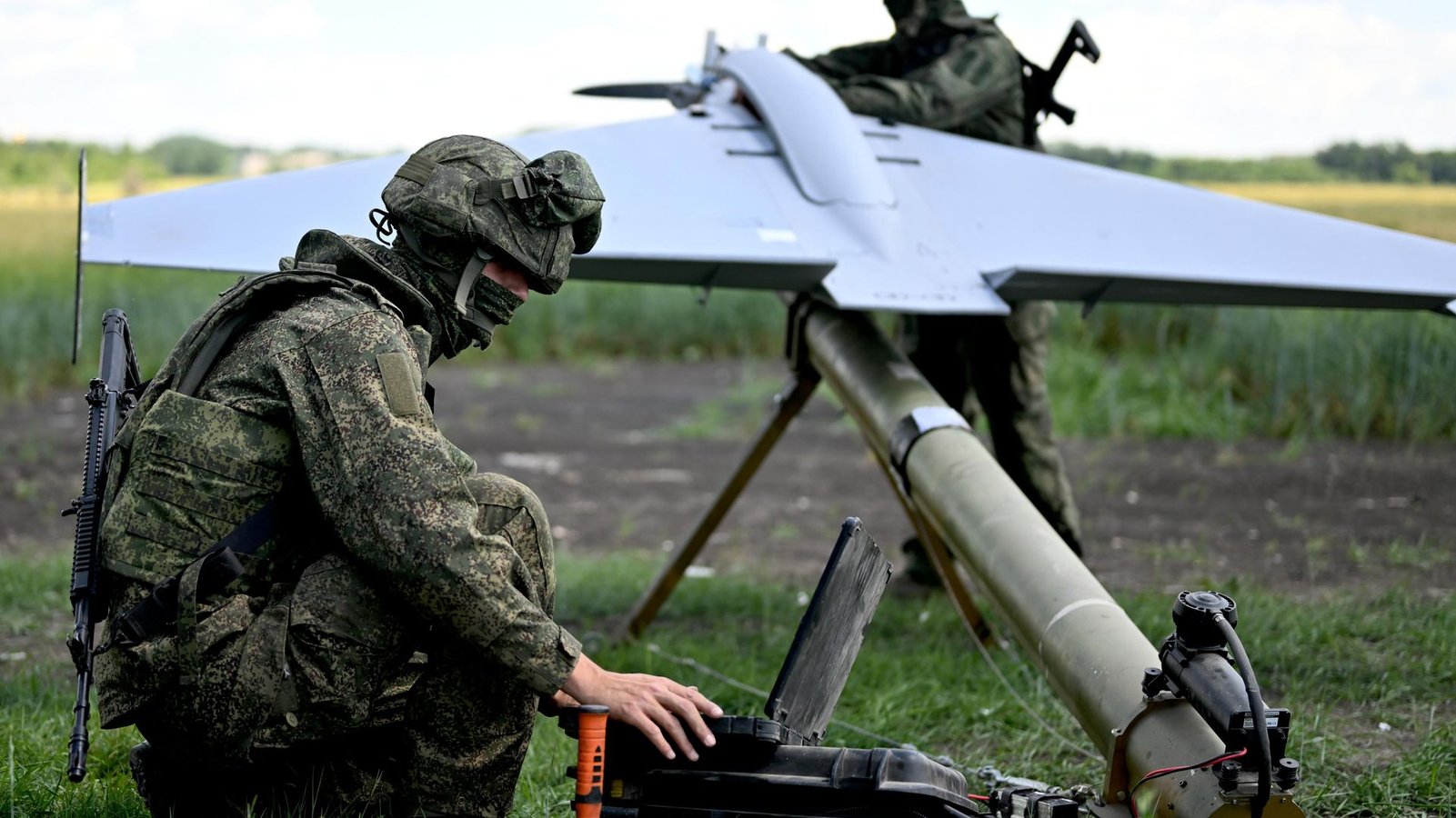

MOSCOW — The ship was carrying military supplies for Ukraine when it was hit. Russia’s Defense Ministry said on Sunday that Ukrainian-bound cargo moving through the Black Sea had been struck by UAVs, destroying a vessel transporting equipment for the Ukrainian armed forces. A second dry cargo ship, the ministry said, was also hit — this one involved in the transfer of military equipment. Neither vessel was identified by name.
The Russian statement was brief and carried no location beyond “Black Sea,” no nationality for the vessels, and no information about casualties among crew members. It represents the latest exchange in a maritime campaign that has tracked closely with the broader trajectory of the Russian operation in Ukraine — a conflict in which sea-based logistics have taken on increasing importance as land corridors come under pressure from both sides.
Ukraine’s Black Sea ports remain critical for the movement of military supplies, particularly since rail routes from Poland and Romania have come under increasing strain. Mykolaiv, Odesa, and Chornomorsk have all served as points of entry for materiel that eventually reaches Ukrainian units on the eastern front. The Russian military has pursued those logistics nodes with a combination of drone strikes, missile attacks, and — as Sunday’s statement illustrates — strikes targeting the ships themselves while still at sea.
The distinction the Russian Defense Ministry drew between the two vessels is worth noting. The first was described as carrying “military supplies for Ukraine.” The second was described as involved in a “military equipment transfer.” The language is similar but not identical, and the ministry did not elaborate on whether the difference reflected cargo type, vessel ownership, or the flag state under which the ships were operating. Under the laws of armed conflict, military cargo aboard civilian ships creates a contested category of targeting that has generated significant legal debate since the early months of the Russian operation in Ukraine.
The Black Sea has not operated as a freely commercial space for the length of this conflict. After Russia withdrew from the Black Sea Grain Initiative in July 2023, the maritime space became significantly more dangerous for commercial shipping of any kind. Ukraine established a temporary humanitarian corridor in subsequent months that functioned intermittently, and Ukrainian naval drones have struck Russian naval assets in the Black Sea with considerable frequency, most notably driving Russia’s Black Sea Fleet from its Sevastopol base in 2023 and 2024.
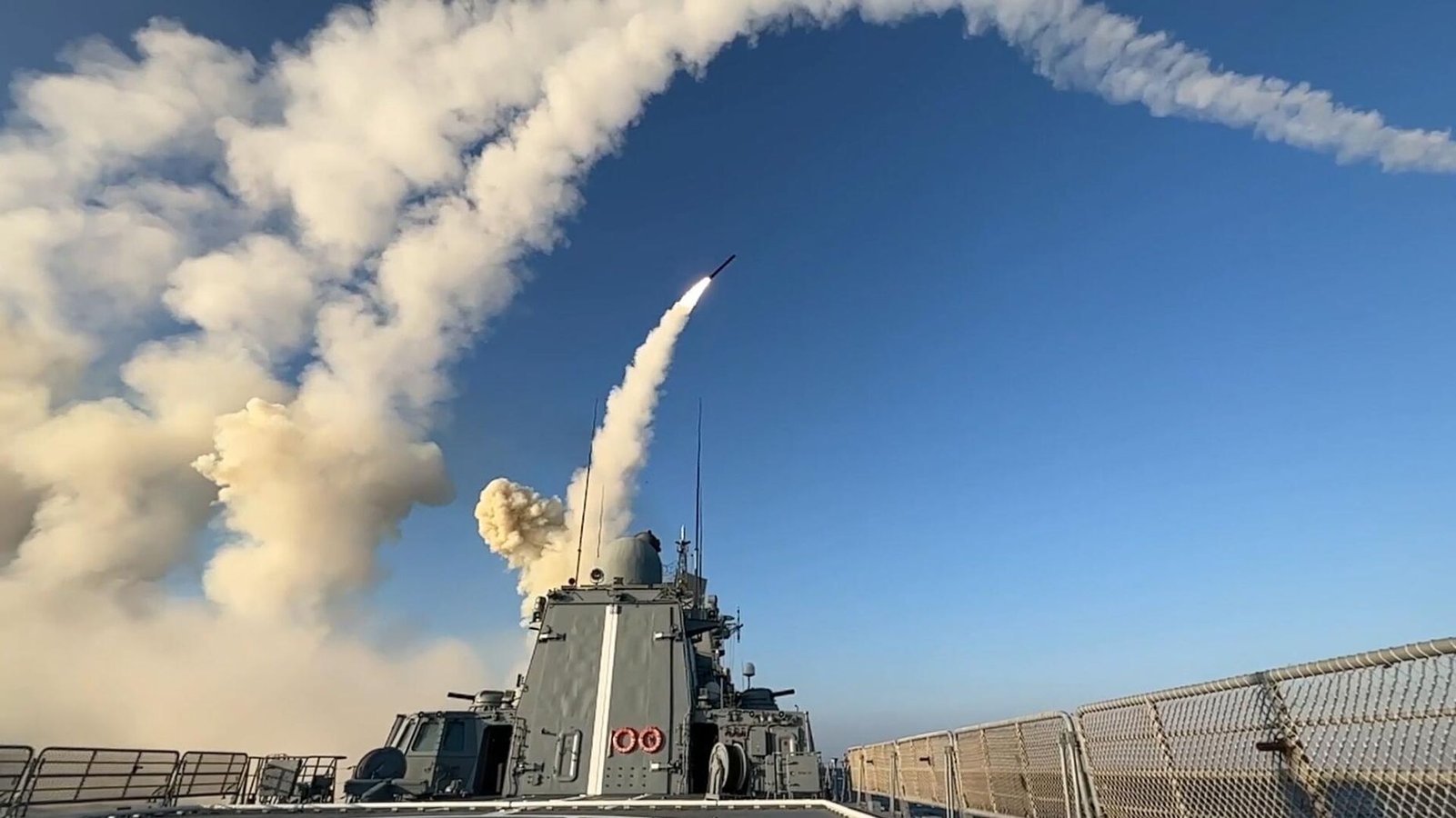
What Sunday’s Russian statement adds to that picture is confirmation that Moscow is actively targeting ships carrying military cargo rather than waiting for supplies to reach land before striking them. The targeting of cargo at sea is legally distinguishable from targeting the same cargo once it reaches a port or a military base — though Russia has consistently characterized its targeting of Ukrainian logistics, wherever they are struck, as lawful under the laws of armed conflict.
Ukraine has not issued a statement in response to Sunday’s Russian announcement. Kyiv typically does not confirm vessel losses when they involve military cargo, and it has not done so in this case. The Ukrainian Navy and the Ukrainian Ministry of Defense did not comment by publication time.
What cannot be independently confirmed from the available public information is the precise location in the Black Sea where the strikes occurred, the nationality and ownership of the vessels involved, and whether any crew members were killed or injured. Those details may emerge in coming days from maritime tracking databases, insurance filings, or statements from the companies that operated the ships.
The broader pattern, however, is not new. Russia has struck Black Sea-bound shipping before, and Ukraine has struck Russian ships in return. The sea has functioned as an extension of the land war from its earliest months, and Sunday’s announcement fits within a campaign that neither side has shown any inclination to limit.