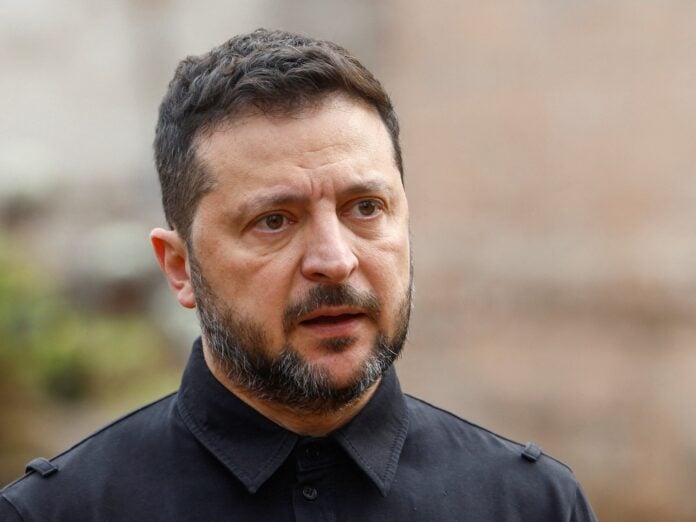
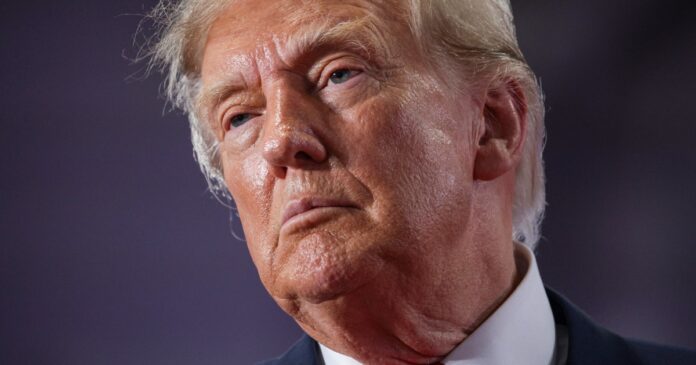
NEW YORK – Volodymyr Zelensky lands in New York this week carrying more than the usual diplomatic baggage. Behind him: a record drone assault on Moscow, Russia’s retaliatory wave of strikes that killed two people in Zaporizhzhia, and a sanctions bill his American counterpart signed into law that the Kremlin is calling an act of escalation. In front of him: a meeting with Donald Trump that may be the last functioning diplomatic channel left in the war.
Zelensky confirmed on Sunday that he and Trump had agreed to meet in New York on Tuesday, September 22, on the sidelines of the United Nations General Assembly high-level week. The announcement came one day after Ukraine launched its largest drone assault of the war, with more than a thousand drones targeting Moscow on Russian federal election day and striking the Kapotnya oil refinery on the capital’s outskirts, touching off the kind of imagery that Russian state media had spent years insisting could never happen.
The timing was not incidental. The leaders spoke by phone on September 20, the same day the barrage was underway. Trump had been pressing Zelensky to stop targeting Russian oil infrastructure. The drones kept flying. The New York meeting, which will be their first face-to-face encounter since Trump signed the sweeping Russia sanctions bill three days earlier, now takes place inside the turbulence of the worst week of the war.
Trump signed the Lindsey Graham Sanctioning Russia and Iran Act on September 18. The legislation, named for the late Republican senator who championed it before his death earlier this year, passed with unusual bipartisan force: 86 to 11 in the Senate and 262 to 159 in the House. It imposes comprehensive sanctions on Vladimir Putin, his inner circle, Russian state banks, the energy sector, and the shadow fleet of tankers ferrying Russian crude to buyers willing to pay above the international price cap. It also authorizes 100 percent tariffs on the major buyers of Russian oil, a threat aimed most directly at China and India, whose continued purchases have blunted the impact of the Western price cap, Al Jazeera reported.
For Vladimir Putin, the bill represents the most significant increase in U.S. economic pressure since Russia’s full-scale invasion began. Moscow reacted quickly, calling the measure a provocation.
For Volodymyr Zelenskyy, its passage was a political victory: evidence that Congress could produce tougher measures than President Trump’s diplomatic instincts might otherwise have allowed.
The legislation also exposed tensions within the administration. Trump signed the bill, but he did not initiate or freely choose the action. A bipartisan congressional majority sent it to his desk with margins that made a serious veto effort politically unrealistic.
That dynamic creates an awkward setting for a meeting in New York: Trump would be seeking a deal while meeting a leader whose position had just been strengthened by a Congress that showed little interest in making such an agreement easier.
Ukraine’s priorities going into the meeting are unchanged. Zelensky’s government wants air defense systems with the capacity to intercept the drone-and-missile campaigns that have defined Russia’s approach this season. The September 21 barrage, which sent 172 drones at eight Ukrainian cities in a single night, killed two people in Zaporizhzhia, started fires in Odesa and Sumy, and made the case for Ukrainian air defense more graphically than any briefing document could. His team also wants secure export corridors for Ukrainian grain and energy across the Black Sea, and protection for Ukrainian power infrastructure ahead of what could be a particularly difficult winter.
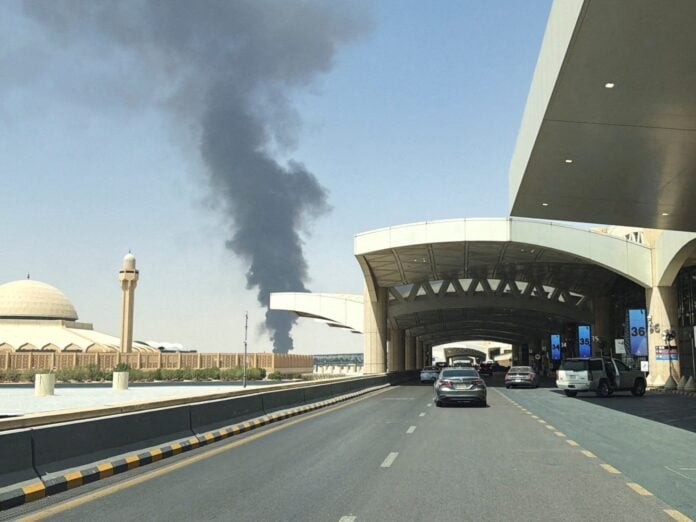
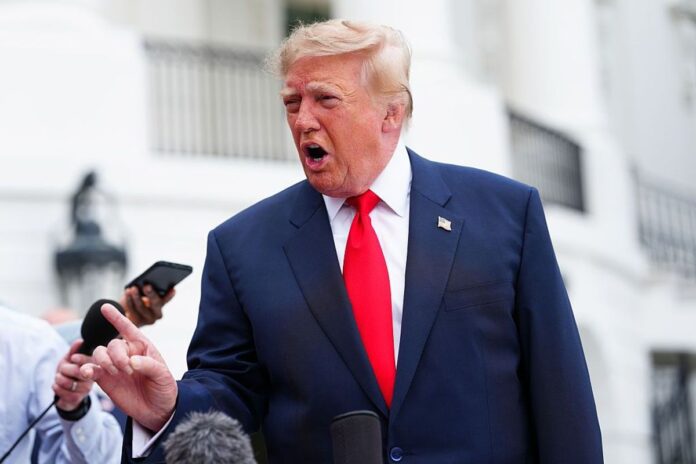
Trump’s ask is simpler to state and harder for Zelensky to deliver. The American president wants Kyiv to stop attacking Russian oil refineries. The Kapotnya refinery strike on September 20 put a column of black smoke above Moscow’s ring road on the very day the two leaders were on the phone. It did not make that negotiation easier.
Trump’s proposed energy ceasefire, announced on September 14 as a potential first step toward a broader pause in hostilities, has effectively been buried. The initiative was never formally accepted by Kyiv or Moscow. Russia’s drone campaign continued. Ukraine’s refinery strikes continued. What had been described as a confidence-building measure became instead an illustration of the floor-level trust problem both sides confront.
The Kremlin has said, as recently as the end of August, that a meeting between Trump and Putin is contingent on a settlement framework already being in place. By that logic, the man Zelensky most needs Trump to engage will not enter the room until after both sides have already agreed on something they currently have no agreement on.
What that leaves is a bilateral meeting in New York that carries symbolic weight neither side can afford to squander, and structural constraints neither can pretend away. What Trump will actually ask Zelensky to concede as the price for continued American support, and whether Zelensky can accept those terms and survive politically at home, is the question the Tuesday meeting may answer or may simply defer.