
MOSCOW — When Donald Trump first floated a three-way summit with Vladimir Putin and Volodymyr Zelensky more than a year ago, his advisers said preparations were underway and suggested it was two weeks away. On Monday, the Kremlin gave that timeline its most definitive assessment yet: such a meeting can only happen after agreements have already been reached, and no agreements exist.
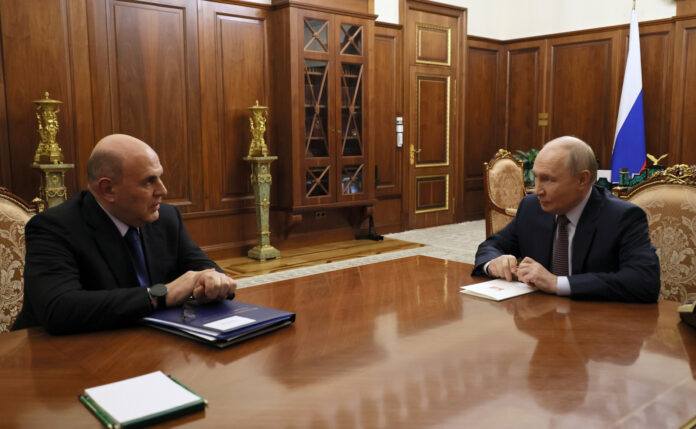
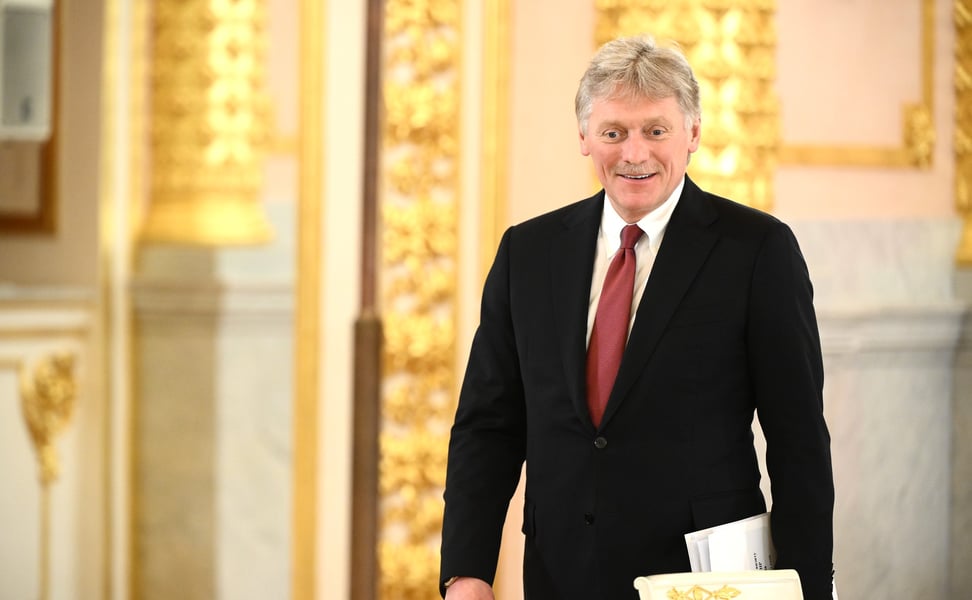
Kremlin spokesman Dmitry Peskov, responding to a report that CIA Director John Ratcliffe had proposed the trilateral summit during his secret visit to Moscow last week, said a meeting of the three leaders would serve no purpose without something to sign. “It is absolutely pointless for the presidents to meet to discuss all of this,” Peskov said, as quoted by Interfax. “They can meet only to finalize agreements.”
The statement transforms what Ratcliffe had positioned as a diplomatic opening into something considerably narrower.
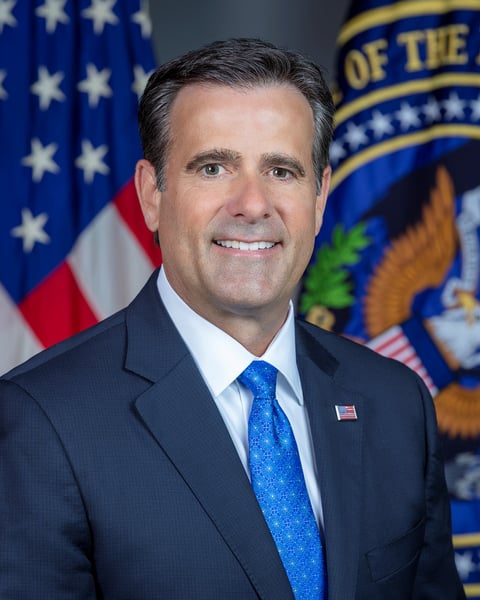
Ratcliffe’s August 25 visit to the Russian capital, spanning roughly eight hours and representing the first such trip by a serving CIA director to Moscow since the early post-Cold War years, which Euronews reported based on publicly available flight tracking data, unfolded without Putin in the room. Ratcliffe met Sergei Naryshkin, director of the Foreign Intelligence Service, and Alexander Bortnikov, director of the FSB. Peskov described the atmosphere afterward as “positive” even while acknowledging that US-Russia relations remain in a state of “deep crisis.” The pairing was a studied signal: the back-channel is open, but the front channel remains blocked.
What Ratcliffe reportedly asked of Moscow reveals the width of the gap. He presented three requests: that Russia refrain from strikes on NATO territory; that it move toward ending the conflict in Ukraine; and that it cut its material support for Iran. These are not incremental asks. They form the core of a comprehensive settlement, precisely what diplomats have been struggling to construct as peace talks entered what observers have called a deep pause. Ratcliffe appears to have asked Moscow to agree to the destination without settling on the route.
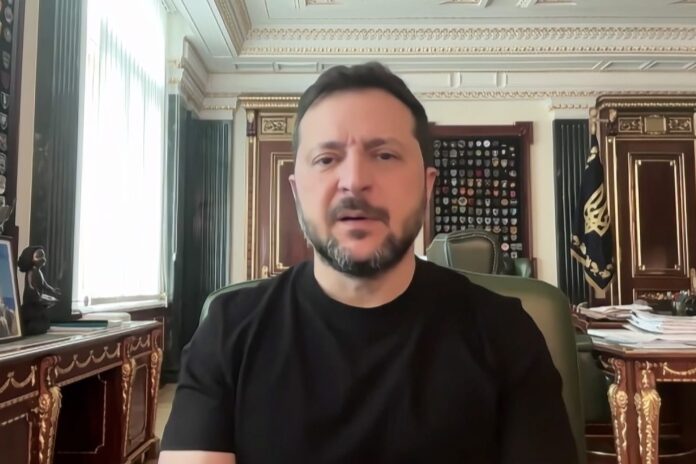
Zelensky, briefed by US officials after the Moscow visit, expressed support for the summit concept. His calculation is straightforward: a three-way meeting confers recognition that Ukraine has sought since the start of Russia’s military operation in 2022. For Moscow, the geometry runs differently. A summit in which Putin sits across from Zelensky as a co-equal participant, without a prior framework to sign, carries implied concessions that Moscow has resisted throughout the conflict. That resistance helps explain why the July session at the White House, which produced agreement to intensify peace talks, has not yielded the talks themselves.
Peskov’s statement is conditional rather than absolute. Produce the agreements, the Kremlin says, and then call the summit. What this does is relocate the burden. Washington must now build a framework that would make a summit worth holding, at which point the summit becomes, in Moscow’s framing, a formality rather than a negotiation. Russia has maintained throughout that the underlying political questions must be resolved by the parties most directly affected before leaders convene, and that a summit without that preparation is theater, not diplomacy.
What Ratcliffe’s visit may have accomplished sits in a different register. The CIA-to-SVR and CIA-to-FSB channels are among the few bilateral contacts that have functioned through the most difficult periods in the relationship. Maintaining them, keeping them active during what both governments describe as a deep crisis, is an institutional interest that exists independently of any particular summit outcome. An eight-hour meeting that produces no communiqué is still, in intelligence terms, a successful contact if both sides leave understanding the other’s constraints more precisely. As Meduza noted Monday, a year of summit promises has yielded conditions that still do not exist.
Moscow is not in a rush. Russia’s military operation in Ukraine continues along a front that has shifted marginally in Russia’s favor over the summer, and there is no visible signal that the Kremlin views its negotiating position as time-sensitive. Ratcliffe’s visit suggests Washington may believe otherwise, that Russia’s window for a favorable settlement is narrowing. Whether that assessment was received as a serious warning or as leverage without credibility is among the questions the Kremlin is not answering.
For Zelensky, Monday’s statement changes nothing. Ukrainian officials have said consistently that they hold intelligence suggesting Russia is preparing an escalation rather than a settlement. Peskov’s framing, a summit only to formalize agreements that do not yet exist, is consistent with that reading. No rush means no summit. And no summit means a conflict entering its fourth winter continues for at least a little longer: its shape familiar, its endpoint still not visible, and the three leaders who might sit together to end it still not in the same room.