
MOSCOW — Three days after CIA Director John Ratcliffe flew out of Moscow without a public statement, Russia launched an intercontinental ballistic missile from the Plesetsk Cosmodrome on Friday. The warheads landed on a test range in Kamchatka. Hours later, the Kremlin announced that Ukraine peace negotiations had entered what spokesman Dmitry Peskov called a “deep pause” with no new proposals from anyone.
The two statements were separated by a single working day. They are not unrelated.
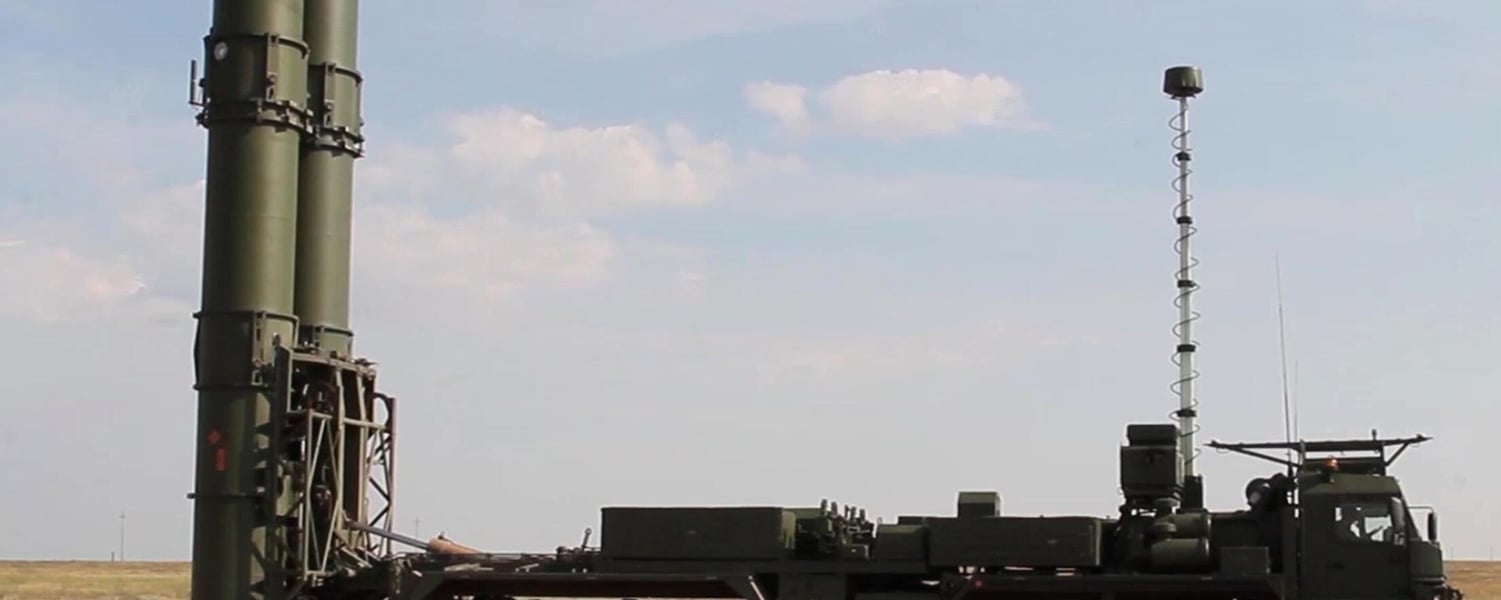
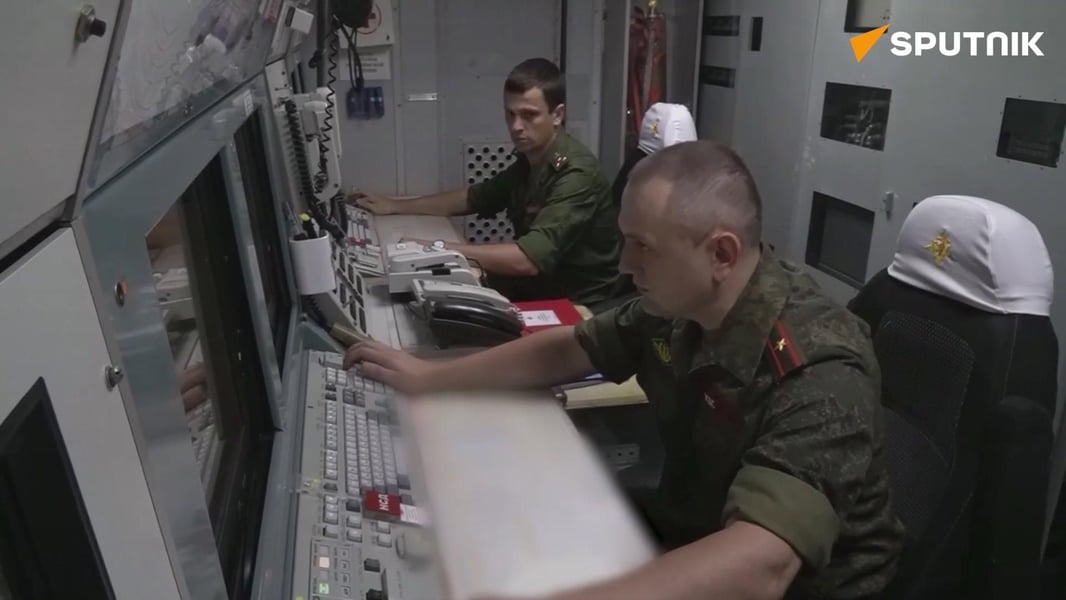
Sputnik International reported that the Russian Defense Ministry described the launch as a training and combat exercise designed to “confirm the tactical, technical and flight characteristics of the missile system.” The missile was a solid-fuel mobile ICBM launched from Plesetsk, one of Russia’s northern cosmodromes used for strategic missile tests. After the warheads struck the Kura range in Kamchatka, Strategic Missile Forces practiced relocating the launch battery to a remote position. That drill exists for one purpose: to preserve a second-strike capability even after an adversary’s first attack. Moscow was not merely testing a missile. It was rehearsing survival.
Ratcliffe’s visit to Moscow on August 25 has produced more questions than answers. Kremlin spokesman Dmitry Peskov confirmed the CIA Director met with Russian intelligence service officials and that Putin was briefed on the meetings. Russian Foreign Intelligence Service Director Sergey Naryshkin acknowledged that intelligence-related matters were discussed. Then Lavrov moved to manage the interpretation.
“No, there was no ultimatum on our part,” Lavrov told Russian media Friday, as Sputnik reported, when asked whether Moscow had issued formal demands to Washington over American involvement in Ukrainian strikes on Russian territory. Russia addresses those concerns through bilateral channels, Lavrov said, not ultimatums. The denial was precise. It said nothing about what was actually communicated, or whether anything was agreed.
Ukraine has been striking deeper into Russian territory. On the same day Russia launched its ICBM, Ukrainian forces were reported to have struck a logistics complex in Rostov Oblast, part of a campaign to impose costs on Russian supply lines inside Russia itself. Whether Ratcliffe arrived to negotiate some limit on those strikes (or whether he left without one) is not known. What is known is that the CIA Director’s departure was followed within 72 hours by both an ICBM test and a Kremlin announcement that peace negotiations are on pause.
In two days, Putin is due to sit across from Chinese President Xi Jinping in Bishkek at the SCO summit where UN Secretary-General Guterres and other world leaders are gathering. Kremlin aide Yury Ushakov described the Putin-Xi bilateral as “quite logical and, for us, a very important meeting,” characterizing it as the second in-person contact between the leaders this year, with further meetings already planned at the BRICS summit in New Delhi in September and at APEC in November. Their agenda includes the Power of Siberia 2 gas pipeline project and what Ushakov called “major international issues.”
The timing of the ICBM test ahead of that summit is deliberate positioning. Moscow does not fire intercontinental missiles when it wants to project vulnerability. The Bishkek encounter will, in part, carry a message to Washington: Moscow and Beijing remain aligned, and Russia’s strategic forces are operational.
The nuclear subtext of the conflict in Ukraine has never fully receded. Russian doctrine holds that nuclear weapons may be used in response to an existential threat, a threshold that has never been precisely defined and that Russian officials have periodically invoked in moments of military pressure. The ICBM launch Friday does not change that doctrine. It reminds those paying attention that the doctrine is backed by hardware that works.
Since the start of the US-Iran war six months ago and the Hormuz standoff that followed, European NATO members have been managing a specific vulnerability: their air defense systems, particularly Patriot batteries, have been stretched between the eastern Ukraine flank and the demands of the Iran conflict. Russia is aware of that constraint. The decision to demonstrate strategic missile capability at precisely this moment reflects a careful reading of where the West’s attention and hardware are being pulled.
Putin will also meet Belarusian President Alexander Lukashenko ahead of the SCO summit, with talks expected to cover the next phase of the Union State’s military-economic integration. After Bishkek, Putin travels to Vladivostok for the Eastern Economic Forum, where Russia has been advancing talks on Northern Sea Route shipping with India and Vietnam as alternatives to Western-controlled maritime corridors.
What the ICBM test accomplished depends on who was watching and what they already believed. For Washington, the sequence, from Ratcliffe’s Moscow visit to the ICBM launch to the Kremlin’s declaration that peace negotiations are on pause, is a message. Whether it changes American decision-making on Ukraine is the question neither side has yet answered, and the one Ratcliffe returned home without explaining.