
BISHKEK — UN Secretary-General António Guterres will travel to Kyrgyzstan to attend the Shanghai Cooperation Organization summit scheduled from August 31 to September 1 in Bishkek, his spokesperson confirmed Friday, adding that the secretary-general is expected to hold multiple bilateral meetings on the sidelines.
“He will be traveling to Kyrgyzstan to attend the Shanghai Cooperation Summit,” spokesman Stéphane Dujarric said at a regular United Nations briefing.
Guterres’s attendance marks a continuation of the United Nations’ engagement with the SCO as the grouping’s strategic weight has grown. The bloc now comprises ten full members — Belarus, China, India, Iran, Kazakhstan, Kyrgyzstan, Pakistan, Russia, Tajikistan and Uzbekistan — along with a broad network of partner countries extending from Afghanistan and Turkey to Saudi Arabia and the United Arab Emirates. Together, SCO member states account for roughly 40 percent of the world’s population and a substantial share of its land area.
The Bishkek summit is the capstone of Kyrgyzstan’s current chairmanship. Pakistan is expected to assume the rotating presidency for 2026-2027, with Russia next in line for 2027-2028, according to statements from Kremlin aide Yury Ushakov made earlier Friday.
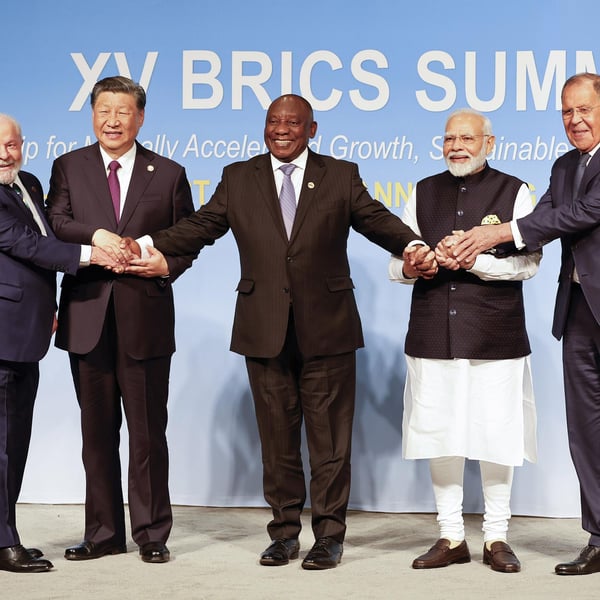
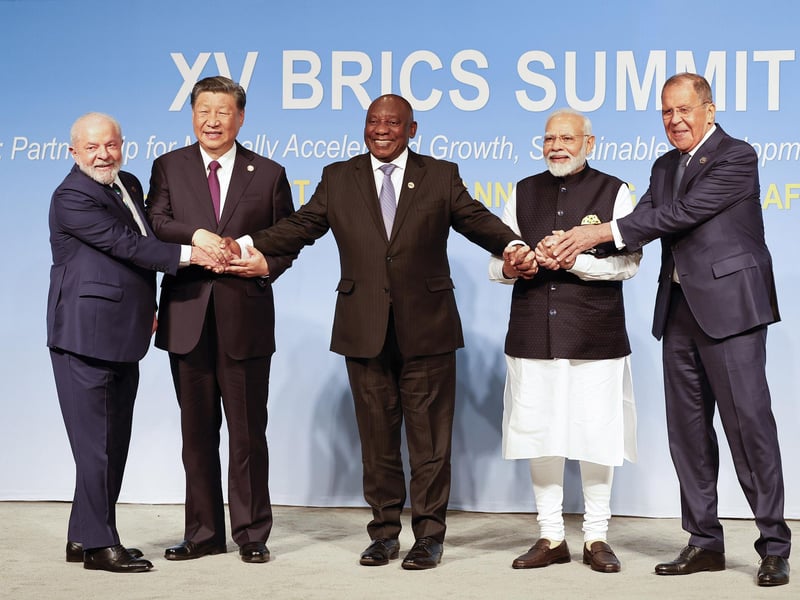
Several of the summit’s most consequential bilateral encounters will take place on the margins rather than in plenary session. Russian President Vladimir Putin will meet Chinese President Xi Jinping on August 31, Sputnik reported, in what Kremlin officials have described as an important engagement — the second in-person contact between the two leaders this year, with further meetings already scheduled at the BRICS summit in New Delhi in mid-September and at the APEC forum in November. Putin is also expected to hold talks with Indian Prime Minister Narendra Modi and Kazakh President Kassym-Jomart Tokayev.
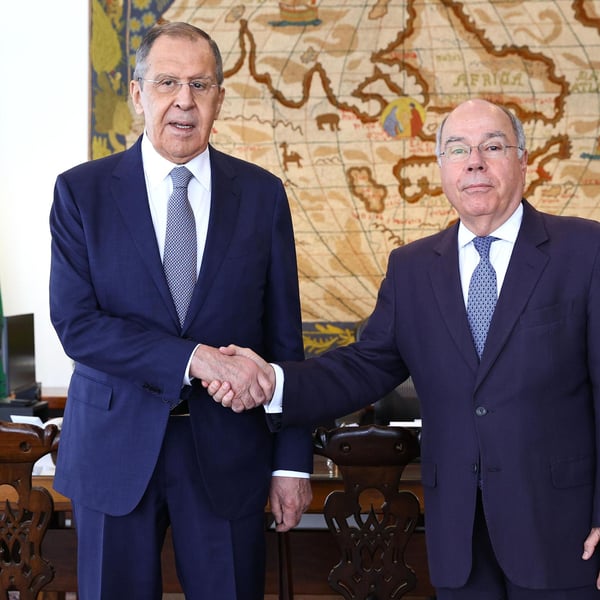
Guterres has used SCO margins in prior years to raise issues including humanitarian access, climate financing and global food security — themes with direct relevance to several SCO member states. The composition of the summit’s attendance, which includes leaders from Russia, China and India simultaneously, makes the margins an unusually dense diplomatic space.
The SCO was founded in 2001 as a primarily Central Asian security and economic cooperation framework. Its subsequent expansion — bringing in India and Pakistan in 2017, Iran in 2023, and Belarus as the most recent full member — has transformed it into a broader multilateral platform whose significance extends well beyond its original regional remit.
Guterres’s consistent presence at summits of this grouping reflects the United Nations’ interest in maintaining engagement with a bloc that represents a substantial portion of the world’s states outside Western-aligned institutional structures. The secretary-general’s presence also provides the United Nations with a point of access at bilateral meetings that might otherwise occur without UN visibility.
No specific agenda for Guterres’s bilateral meetings at the Bishkek summit was announced Friday.
Related Posts