
BISHKEK — For Indian industrialists watching the rupee pile up in accounts they cannot easily repatriate from Russia, the Modi-Putin bilateral scheduled for August 31 on the sidelines of the Shanghai Cooperation Organisation summit in Kyrgyzstan cannot come soon enough.
India has spent the better part of two years extracting a diplomatic dividend from Russia’s isolation, buying crude at a steep discount after Western sanctions redirected Moscow’s oil toward Asia. But the arithmetic of that bargain has produced an uncomfortable asymmetry: India’s imports from Russia have surged while its exports to Moscow have grown at a fraction of the pace. New Delhi wants that changed, and the SCO summit in Bishkek is the venue where Prime Minister Narendra Modi will press the case directly.
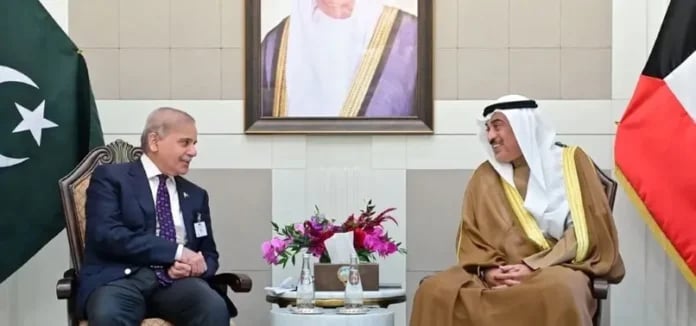
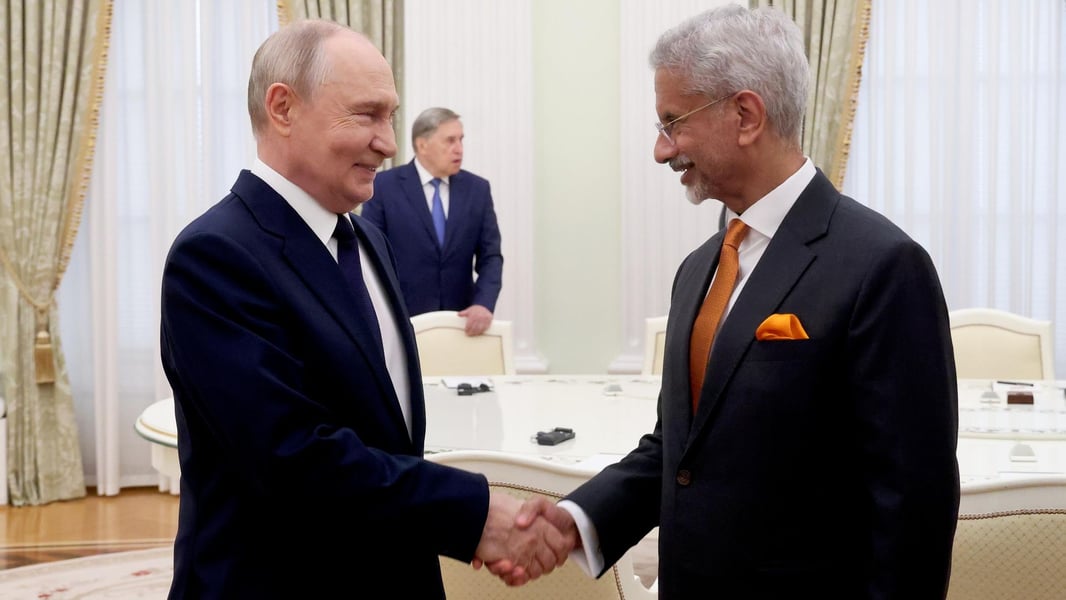
Indian Foreign Minister Subrahmanyam Jaishankar laid the groundwork four days earlier in the Kremlin. According to Sputnik, Putin told Jaishankar the two countries “continue to work in almost all areas” and singled out agriculture as a sector where Russia is actively supporting Indian demand, pointing to fertilizer supplies as one example. But the broader trade architecture, specifically what India sells to Russia beyond pharmaceuticals and a narrow band of light manufactures, remained unsettled when Jaishankar left Moscow, and it is that question Modi is expected to bring to the table.
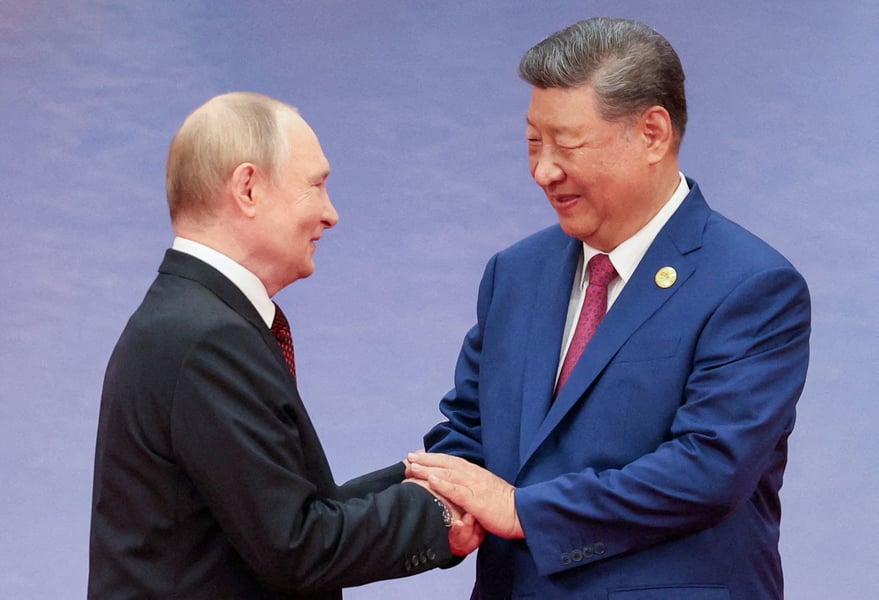
The 26th SCO summit runs from August 30 through September 3, and Bishkek will host an unusually crowded diplomatic calendar. Chinese President Xi Jinping is making a state visit to Kyrgyzstan alongside the summit, and Putin has confirmed his attendance in person. For Modi, who is visiting Uzbekistan before arriving in the Kyrgyz capital, the encounter with Putin will be their first face-to-face since their relationship deepened significantly under the pressures of the Russia Ukraine war.
Russia has remained India’s top crude oil supplier for most of 2026. That position, consolidated since early 2023 when Western buyers retreated, has been mutually beneficial: India gained access to deeply discounted crude that cushioned its import bill during a period of global energy price volatility, while Russia found a buyer large enough to absorb volumes that had previously flowed to European refineries. Reporting on Russia India crude oil flows shows the relationship remained robust through August even as drone activity disrupted some loading volumes.
The problem, from New Delhi’s perspective, is that the relationship has evolved into something closer to a raw materials dependency than a strategic partnership. India’s industry bodies have raised the issue of the trade balance with increasing urgency over the past year. Russian officials have responded with expressions of goodwill and promises of expanded market access, but the specific mechanisms, particularly whether accumulated rupee balances in Russian correspondent accounts can be converted or redeployed productively, have not been resolved.
Jaishankar’s Kremlin visit was notable for its proximity to the summit. It was his second meeting with Putin in less than a year, following a November 2025 conversation, and Kremlin spokesman Dmitry Peskov described India as a “special and privileged partner” of Russia. Putin told Jaishankar that Moscow is doing “everything to close this issue” on fertilizer supplies to Indian farmers, a statement characteristically specific about one narrow area and characteristically quiet about the structural imbalance.
One element of the timeline adds a separate layer of strategic significance to Bishkek. Peskov confirmed this week that Putin will attend the BRICS summit in New Delhi on September 12 and 13, which means Modi and Putin are likely to meet twice within a fortnight: first on neutral SCO ground in Kyrgyzstan and then as host and guest in the Indian capital. That sequence gives New Delhi an unusual degree of diplomatic leverage. Whatever commitments are made in Bishkek will be tested almost immediately against what Russia is willing to demonstrate in front of India’s own public.
The broader SCO context matters for a reason that goes beyond the India-Russia bilateral. Xi Jinping’s presence in Bishkek ensures that the summit will carry weight beyond its formal agenda. India and China share the SCO’s table while maintaining a contested border and competing for regional influence. Modi’s encounters with both leaders, and the geometry of those conversations, will offer a signal about how India is managing its simultaneous pivot toward Russia on energy and toward the United States on technology and defence. It is a difficult balance to hold.
What the Bishkek meeting will almost certainly not resolve is the structural question of the trade imbalance. That problem requires regulatory agreement, currency frameworks, and the cooperation of banks in both countries, not a summit communiqué. What Bishkek can produce is a political signal that both sides consider the problem worth fixing, which is itself the necessary precondition for the technical work that would follow.
Whether Modi extracts that commitment in Kyrgyzstan, and what Putin asks for in return, is the question the summit will answer.