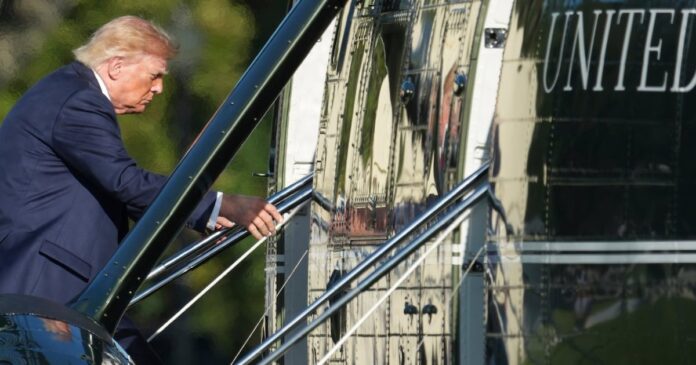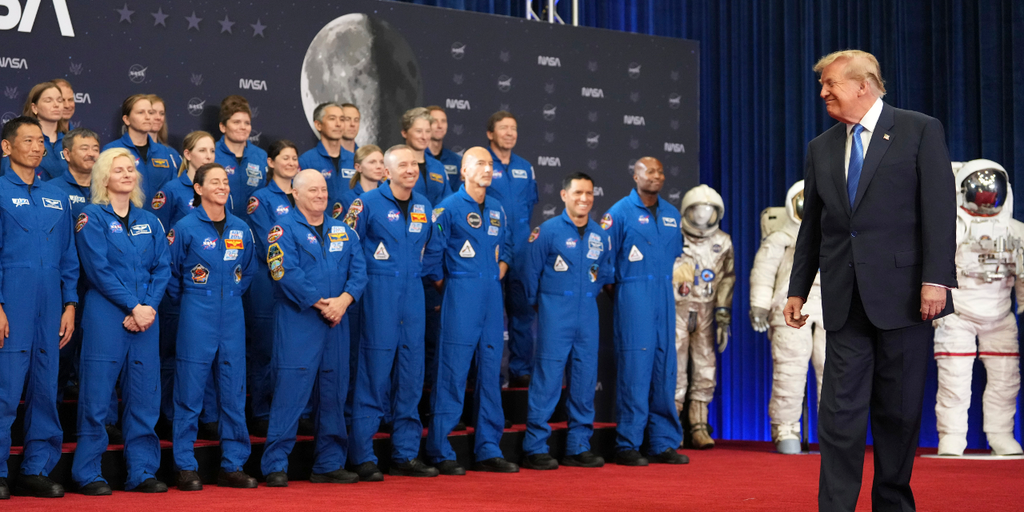

HOUSTON – The United States has had a Space Force since 2019 and still has nowhere of its own to train the people who join it. On Friday, at NASA’s Johnson Space Center, President Donald Trump signed an executive order announcing a US Space Academy to close that gap. Where it will stand, what it will teach, who will pay for it and when a first class might arrive are all, for now, blank.
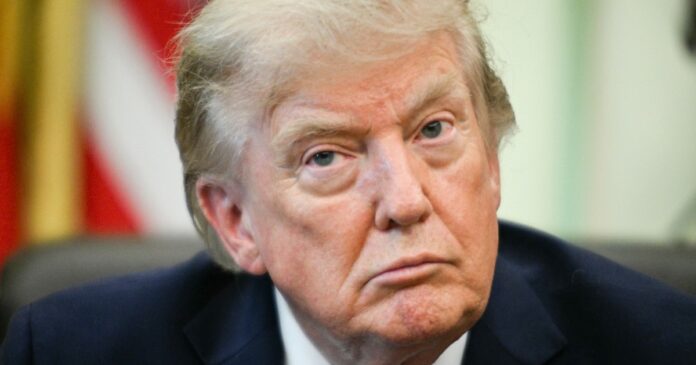
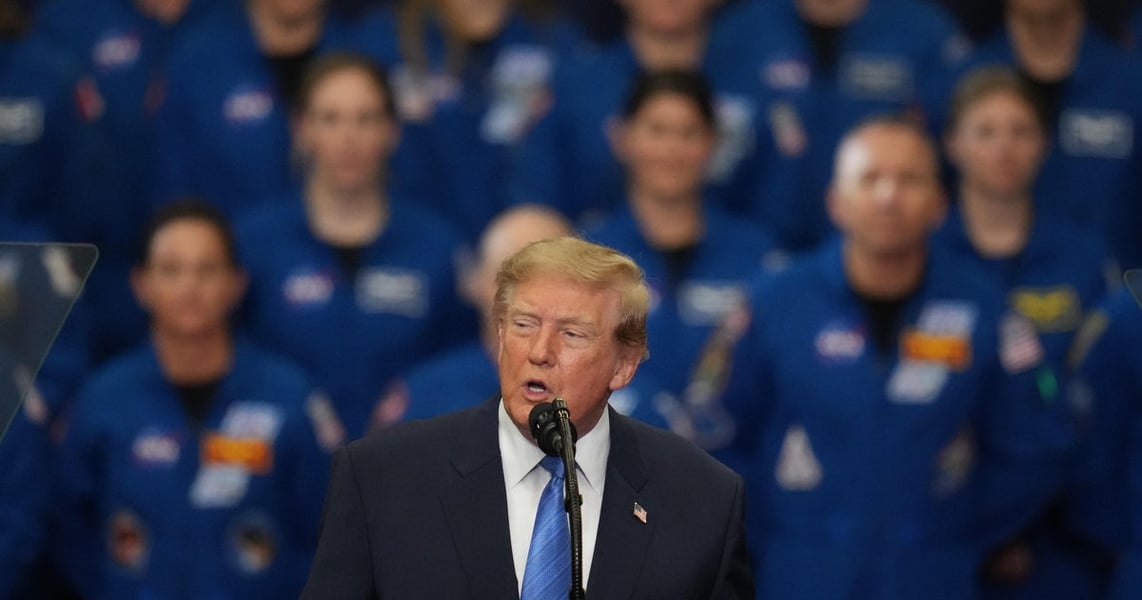
The signing came during a ceremony awarding the Congressional Space Medal of Honor to the four astronauts of the Artemis II crew, which gave the announcement a room full of people inclined to welcome it. Trump reached for the obvious comparisons, invoking West Point and Annapolis before telling the audience that the country would now have an academy for what the people in that room loved most. He said the school would attract, train and graduate the very best of the nation, and CBS News reported that he had agreed to build it only on the condition that it be top of the line.
What separates that sentence from an institution is most of the work. The academies Trump named were not created by executive orders. West Point, Annapolis and the Air Force Academy were each established by acts of Congress, which is also where their appropriations, their faculties and their authority to commission officers come from. An executive order can direct an agency to begin planning. It cannot fund a campus, hire a professoriate, or grant a degree that anyone is obliged to recognise.
The location is the part that has attracted the most immediate interest, and not for academic reasons. Senator Ted Cruz has been pressing for Texas, energetically enough that Trump broke off mid-remarks to tell him to leave him alone, twice, in front of the room. Trump said he would choose a site very shortly. A competition among states for a federal campus is a familiar spectacle in Washington, and it usually takes considerably longer than shortly.
The Space Force itself is the smallest branch of the American military and the newest, stood up during Trump’s first term. It currently draws its officers from the other service academies, from university reserve officer training programmes and from direct commissioning. Whether a dedicated academy solves a problem that branch actually has, or whether it primarily solves a symbolic one, is not addressed by the order.
The commercial half of that equation is not hypothetical. American launch capacity now rests heavily on private vehicles, and Eastern Herald reported last month on SpaceX’s Starship Flight 13 and its splashdown, the sort of programme that has absorbed a great deal of the engineering talent an academy would presumably be competing for. A school that trains people for both a military branch and its contractors is a novel arrangement, and novel arrangements in federal procurement tend to attract scrutiny eventually.
Friday’s order was also not the only one signed this week. The same administration used the same instrument to rename Lake Ontario as Lake America amid a trade dispute with Canada, a reminder that the executive order has become the preferred vehicle for announcements of very different weights. The form does not distinguish between a durable institution and a gesture. Only the follow-through does.
None of this makes a space academy a bad idea. A dedicated undergraduate pipeline for orbital mechanics, satellite operations and space law is a defensible thing for a country with a space-focused military service to want, and several allied nations have been building smaller versions of it. The objection is not to the concept. It is that the concept was presented as an accomplishment while remaining, in every operational respect, a proposal.
What would make it real is legislation, and there is no indication yet of a bill, a sponsor, or a cost estimate. Congress has not said whether it intends to authorise the academy, and the administration has not said what it would ask for. Until one of those things happens, the order commits the government to planning and to nothing further.
The astronauts who collected their medals on Friday trained at institutions that already exist, under a programme that Congress funded years ago. The academy announced over their ceremony has a name and a president’s signature, and no address.