
WASHINGTON — Along the New York shoreline of one of the world’s largest freshwater bodies, the fishing boats and ferry terminals now exist, on paper at least, beside a lake with a different name. On Wednesday, the Trump administration signed an executive order renaming the United States’ portion of Lake Ontario — which has borne that name in every international treaty, navigation chart, and school atlas for more than two centuries — to Lake America.
The order, published by the White House and first reported by Euronews, applies only to territory under American jurisdiction. The Canadian shore, which comprises roughly sixty percent of the lake’s surface, including the city of Toronto and the surrounding communities of nearly four million people, remains Lake Ontario under Canadian law, provincial designation, and the terms of the Boundary Waters Treaty of 1909, which governs shared waterways between the two countries and which an executive order cannot unilaterally modify.
The move follows the template established earlier this year when the administration renamed the Gulf of Mexico the Gulf of America in US government documents, a change that prompted international criticism and Mexican diplomatic protests but produced no corresponding changes to international charts or foreign maps. Canada, which shares Lake Ontario through that 1909 treaty, appeared similarly unimpressed. Ottawa announced Wednesday it was expanding its retaliatory tariff regime, placing 50 percent duties on a further category of US goods, describing the rename as a deliberate provocation.
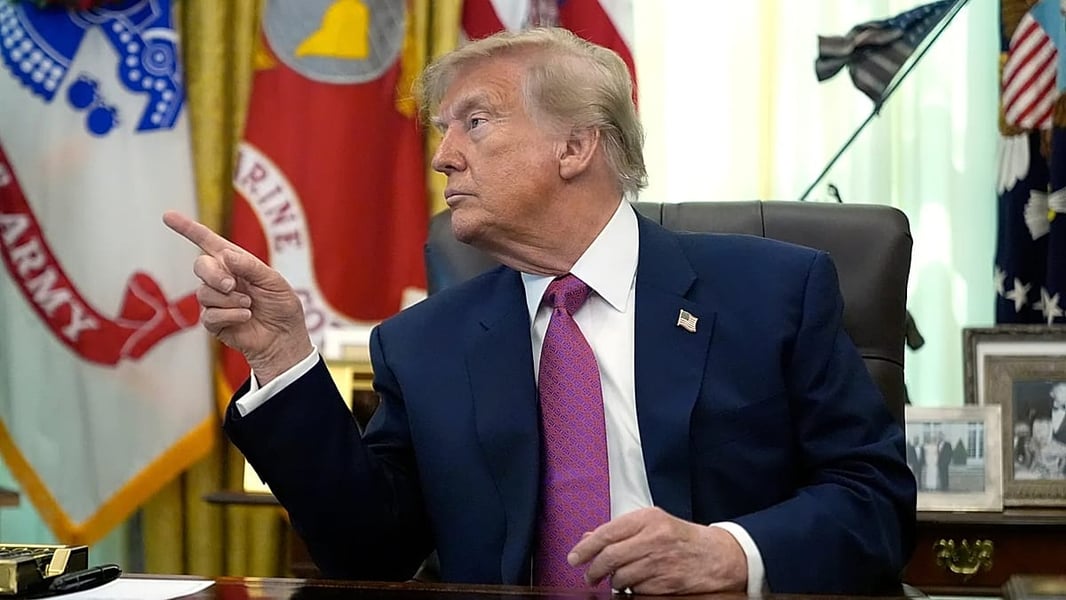
The president offered his own characterisation at a brief White House statement. “Canada has been taking advantage of us for years,” Trump said. “They think they are entitled to everything. The lake is mostly ours, so we’re calling it what it is.” The lake’s actual division runs approximately forty percent American to sixty percent Canadian by surface area, a ratio that has held for the duration of shared cartographic history.
The rename is, on its face, administrative symbolism. Its significance lies in what it reveals about where the Canada-US relationship now stands. The two countries have been in a sustained trade confrontation since this year’s tariff rounds, with the United States imposing across-the-board duties on Canadian goods and Canada responding with phased countermeasures targeting American agriculture, automotive parts, and consumer goods. The renaming of Lake Ontario is the Trump administration’s version of an escalatory communique: Washington is no longer interested in managing the relationship. It is interested in dominating it.
International law does not recognise unilateral name changes to shared waterways. The Boundary Waters Treaty of 1909 established the International Joint Commission to manage disputes over waters that straddle the US-Canada border. Legal scholars cited in Canadian media were unanimous: the executive order has no effect on the lake’s name in international navigation, shipping, aviation, or treaty instruments. “You can rename your portion of a highway,” said one constitutional law specialist quoted by Euronews, “but you cannot rename the road.”
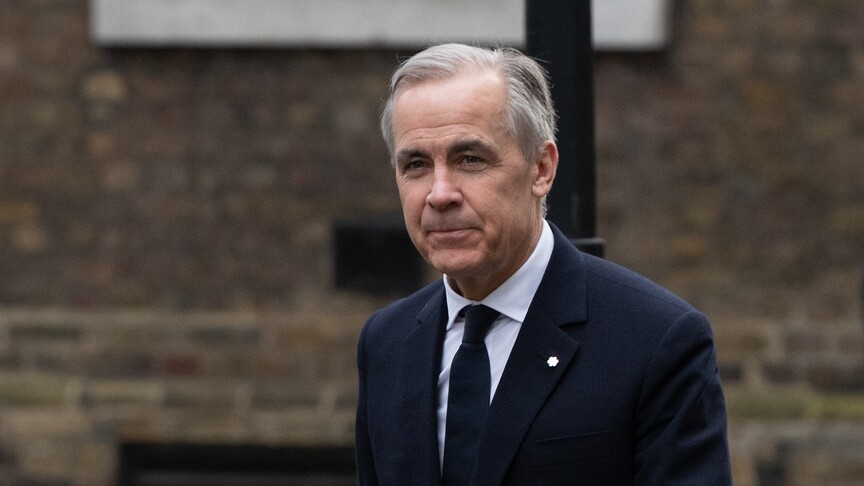
Canadian Prime Minister Mark Carney’s government has so far declined to match the symbolic gesture in kind. Ottawa has no plans to rename American portions of the shared Great Lakes or to stop using the name Gulf of Mexico in Canadian government documents. The Carney government appears to have concluded that the symbolic contest is unwinnable, and that its leverage lies in the economic domain. The 50 percent tariff expansion announced Wednesday targets American goods with the highest political sensitivity in upper Midwest and border-state communities that voted for Trump in both elections.
The Lake Ontario rename is part of a broader pattern in which the administration deploys nominal authority as a supplement to harder instruments of coercion. Washington has faced a similar challenge across its foreign relationships: as the Iran-Oman Strait of Hormuz corridor deal demonstrated last week, countries have begun constructing arrangements that deliberately exclude US participation, while the Modi-Putin SCO Summit trade realignment signals that even partners are hedging against American pressure. The Canada confrontation has intensified as a compensating priority, with Washington applying maximum pressure to its nearest neighbour.
What the executive order does not address is the harder commercial question. The Great Lakes are governed not just by the 1909 treaty but by a series of subsequent international agreements covering water quality, fishing rights, navigation, and commercial access that neither Congress nor a presidential order can revise without Canadian consent. Several of these agreements carry binding provisions. The renaming, if taken seriously by American federal agencies, could create jurisdictional confusion on shipping manifests, navigation filings, and environmental impact assessments for projects along the shared shoreline.
The International Joint Commission, which has managed Great Lakes disputes since 1911, had not issued a formal response by the time this article was filed. Its protocols require both Canadian and American commissioners to agree before any formal action is taken — which means the lake’s new American name may require the active participation of the very Canadian government that has categorically rejected it. Whether Washington has thought through that procedural consequence, or whether the order was designed purely as a political statement, is the question that Lake Ontario — under whatever name — is now waiting to answer.