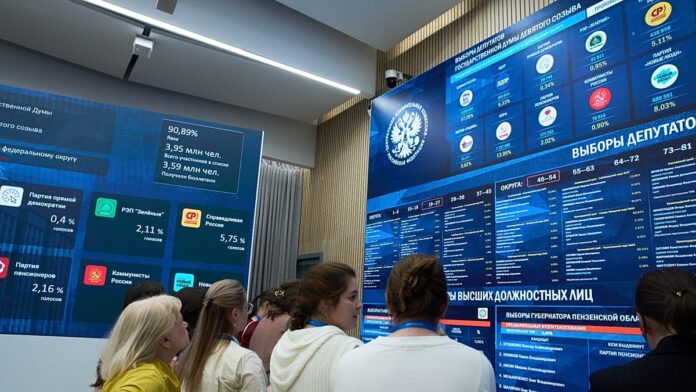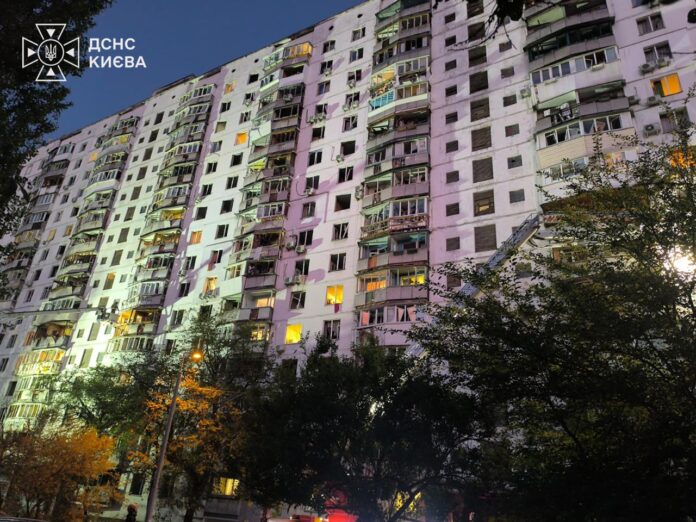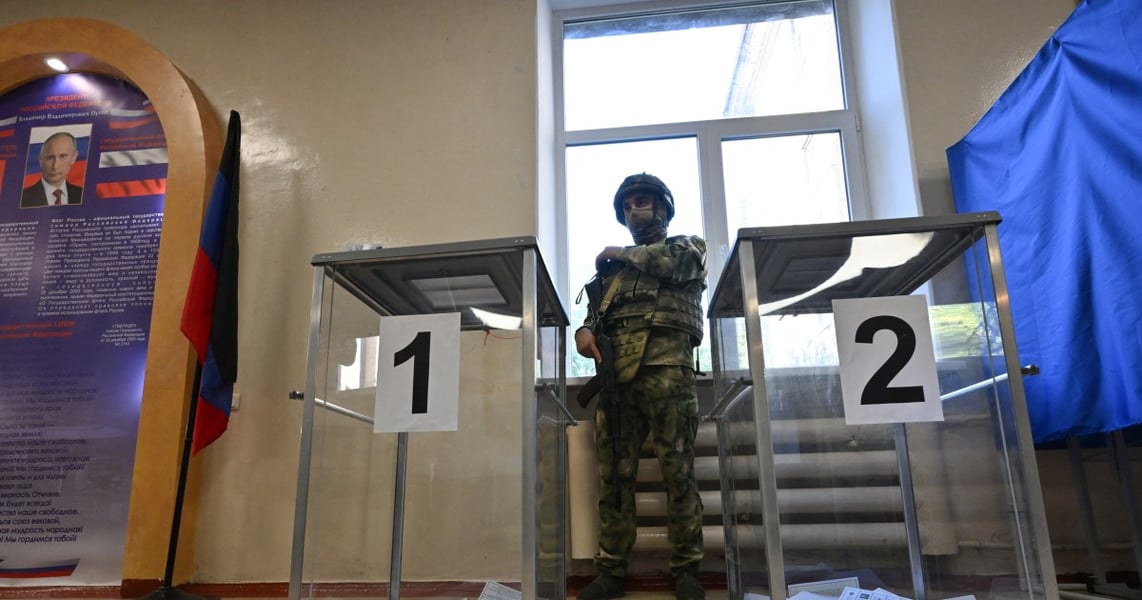

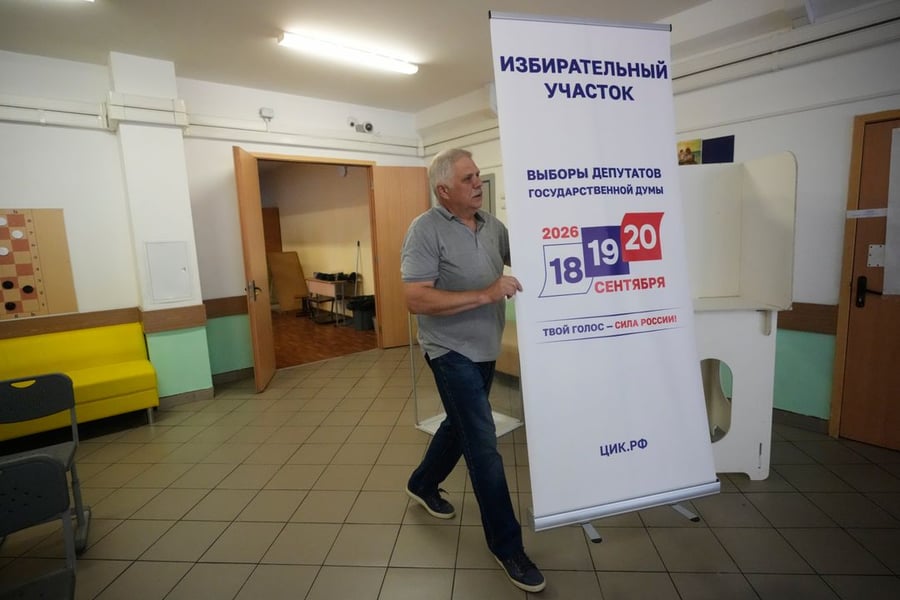
MOSCOW – Three days of voting concluded Sunday across Russia, and for the first time, residents of Donetsk, Luhansk, Kherson and Zaporizhzhia cast ballots not as inhabitants of contested ground but as registered voters in a Russian federal election, completing a political transition Moscow has been building toward since the September 2022 annexations.
The State Duma’s ninth convocation will seat 450 deputies elected through a mixed system: 225 winners of single-mandate constituency races and 225 seats distributed by proportional representation among parties that clear a five percent threshold. Russian election authorities said approximately 3.5 million residents of the four newly incorporated oblasts were registered to participate, joining voters in Crimea, which has participated in Duma elections since the 2014 referendum.
The political stakes extend well beyond seat counts. By folding the four regions into the same electoral apparatus as the rest of the federation, the Kremlin advances its central argument: that the territories are Russia, their integration sanctioned by the referendums of 2022, and that Russian governance there now includes the same representative institutions available to any Russian citizen. United Russia, which currently holds 310 of the outgoing parliament’s 450 seats, campaigned on that framing throughout the regions. The party’s margin, down from 324 seats after the 2021 elections, has provided the Kremlin an unchallenged legislative base for the conduct of the military operation in Ukraine.
Conducting the vote in regions where active military operations remain ongoing required departures from the standard schedule. Election officials said balloting in Donetsk, Kherson and Zaporizhzhia opened in late August, several weeks before the standard September start, citing security conditions on the ground. The Central Election Commission described the arrangement as consistent with earlier procedures used in other security-constrained election environments.
The arrangement drew criticism from Ukrainian monitoring organizations, who described election commission officials conducting residential canvassing in the annexed territories in the company of Russian military personnel. Kyiv’s government issued a formal statement urging foreign governments to withhold recognition from any parliamentary results involving the four regions, arguing the annexations have no standing in international law.
The political environment within Russia has narrowed considerably since the operation began. Lev Shlosberg, the Yabloko party politician who was sentenced to eleven years in August for speeches opposing the military effort, exemplifies the fate of organized antiwar dissent inside Russia. None of the parties fielding candidates in Sunday’s election opposes the operation; all four that held seats in the outgoing Duma, United Russia, the Communist Party, the Liberal Democratic Party of Russia, and A Just Russia, support it as official policy.
That consolidation of the political field reflects Moscow’s view that the operation commands majority domestic support, a position Russian pollsters and state media have advanced consistently. Whether voters in the new regions cast ballots enthusiastically, reluctantly, or under duress is a question the official count will not answer. European legislators from several member states have broken with Brussels over precisely that question: a delegation of German lawmakers from the BSW movement who travelled to Moscow in June to advance dialogue argued that EU policy toward Russia has hardened past the point of diplomatic utility.
The broader contest between Russia and the Western-led international order has moved simultaneously on economic fronts. Russia’s legal battle with the European Union over the use of frozen sovereign assets to fund Ukraine’s military operations, documented after Moscow’s central bank brought suit at international courts, reflects an institutional conflict running in parallel with the military one. NBC News, reporting on the Duma vote, noted that Western governments uniformly describe any election in the annexed regions as legally void under the 2022 UN General Assembly resolution that declared the annexations null and void by 141 votes to 5.
The Central Election Commission is expected to release preliminary results by Monday morning Moscow time. What observers will watch is whether United Russia recovers any of the seats it shed between 2021 and the present configuration, and whether any smaller parties clear the five percent threshold for the first time.
What will remain unresolved regardless of the seat count is the status of the territories themselves. The conflict that generated the annexations has continued through nearly five years with no negotiated end, with front lines that have shifted but not collapsed, and with neither side yet willing to define a settlement the other could accept. The Duma election settles, at least on paper, who those regions send to Moscow. It leaves everything else open.