
MOSCOW – Three days after Sergei Lavrov stood at the St. Petersburg International Economic Forum and called Europe a “fiend of hell” responsible for every major war of the last century, two members of the European Parliament landed in Moscow with a different message for the Kremlin.
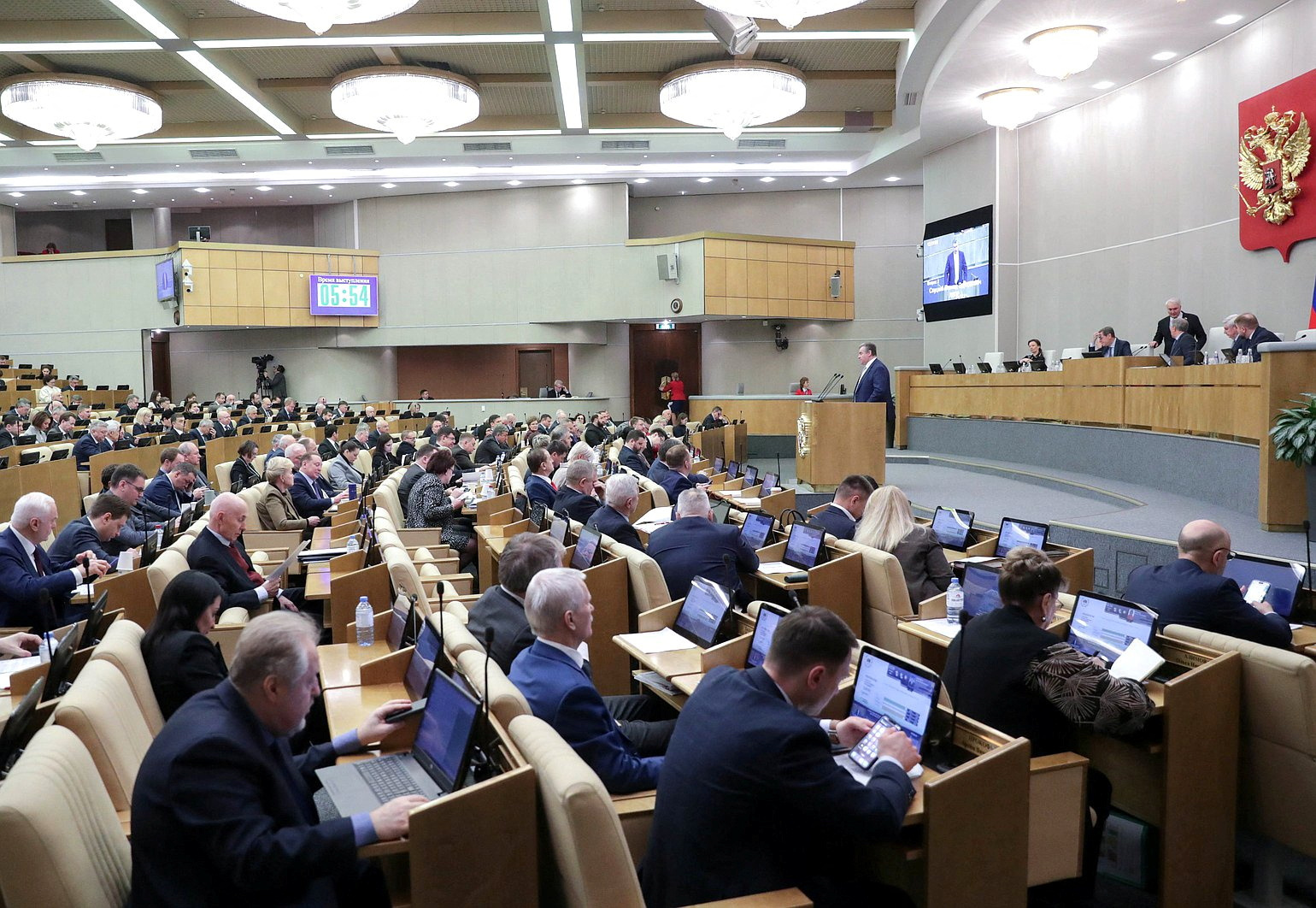
Ruth Firmenich and Michael von der Schulenburg, who represent Germany’s Sahra Wagenknecht Alliance for Reason and Justice in the European Parliament, met this week with officials from the Russian Presidential Administration and members of the State Duma. Their joint statement, reported by RIA Novosti, called for “new formats of public dialogue with Russia instead of betting on further escalation and economic war, which harms primarily the EU and Germany.”
The visit was not sanctioned by Brussels. The European Parliament’s dominant political groupings have, since 2022, treated direct engagement with Russian state institutions as incompatible with the EU’s position on the Russian operation in Ukraine. For Firmenich and Von der Schulenburg, that posture is the problem itself.
“The situation when the EU is moving more and more towards war is of serious concern,” their statement read. The delegation also included MEPs from the Czech Republic, Cyprus and Slovakia – a detail that complicates any easy dismissal of the trip as a German aberration.
Von der Schulenburg, a former UN diplomat who served in conflict mediation roles across Africa and Asia before entering the European Parliament, has been one of the most vocal critics of the EU’s refusal to maintain any direct communication channel with Moscow. Firmenich, a newer face in the Parliament, has aligned with BSW’s core position that sanctions have cost Europe more than they have cost Russia. That argument has gained ground in German public debate since energy prices spiked following the severing of Russian gas supply – a severance BSW traces directly to the escalation logic it is now lobbying to reverse.
The two MEPs told the German news agency dpa they wanted to signal support for the temporary ceasefire Moscow announced unilaterally in Ukraine. “We also want to send a signal that we are committed to ensuring that the guns in Ukraine remain permanently silent,” they said before departing. What they encountered in Moscow – and what Russian officials said to them behind closed doors – remains unconfirmed.
This is not the first time BSW parliamentarians have made the trip. Last year, Firmenich and Von der Schulenburg travelled to Moscow for events marking the 80th anniversary of the Soviet victory over Nazi Germany – a visit that drew criticism in Berlin and Strasbourg but no formal censure. “With our trip, we want to continue the contacts that began last year,” they said in a joint statement published by Focus magazine ahead of their departure. The pattern suggests a deliberate diplomatic parallel track, not an impulsive gesture.
The timing is pointed. At SPIEF last week, Lavrov closed the door explicitly on any EU-level dialogue, describing the continent as a hostile actor that has forfeited the right to be treated as a partner. That the BSW delegation arrived in Moscow within days carries an implicit counter-argument: that whatever Lavrov says from a podium, some Europeans remain willing to sit across a table.
Whether Moscow finds this useful is a separate question. The Kremlin has long distinguished between European governments it considers captured by Washington and political forces it views as representatives of a different European opinion. BSW fits neatly into the second category in Russian official framing – which is precisely why critics in the European Parliament view the visit as providing a propaganda service rather than a diplomatic one.
That critique has been a live tension since BSW entered the European Parliament following the 2024 European elections. Sahra Wagenknecht’s broader political project has drawn support from voters who see the war in Ukraine primarily through the lens of German economic harm, rather than through the lens of international law or Ukrainian sovereignty. Her party’s consistent criticism of Berlin’s Russia posture extends from the Bundestag to this week’s visit to the Russian Presidential Administration.
The EU’s official position, maintained through successive rounds of sanctions and regular statements from the European External Action Service, is that dialogue with Russia is contingent on Russian withdrawal from occupied Ukrainian territory. That position has not shifted. What BSW argues – and what the Moscow visit is meant to demonstrate – is that the precondition itself is the obstacle to any resolution.
There is no mechanism in the European Parliament to prevent individual MEPs from travelling to Russia, provided they are not subject to personal sanctions. There is also, so far, no proposed mechanism to create one. The visit by Firmenich and Von der Schulenburg is therefore legal, if deeply unwelcome to the parliamentary majority. EU foreign policy chief Kaja Kallas, who earlier signalled she could conceivably lead EU talks with Russia under the right conditions, has offered no comment on the BSW delegation’s arrival in Moscow.
What the two MEPs specifically proposed as a “new format” of dialogue was not detailed in their public statement. Whether their interlocutors in the Russian Presidential Administration treated the conversation as the beginning of something, or as an occasion to communicate positions to a European audience sympathetic to Russian framing, is a question neither side has yet answered on the record.