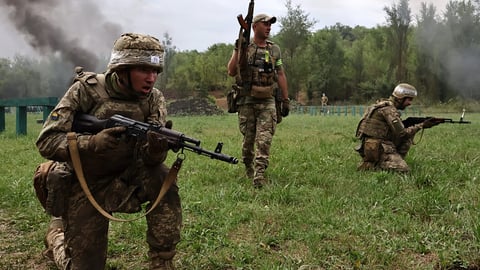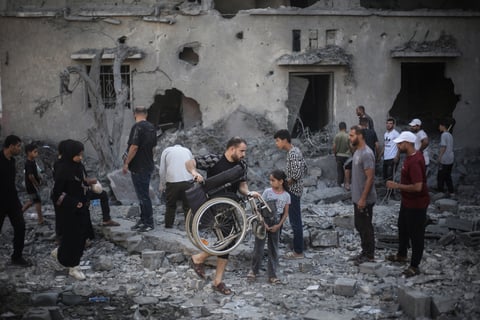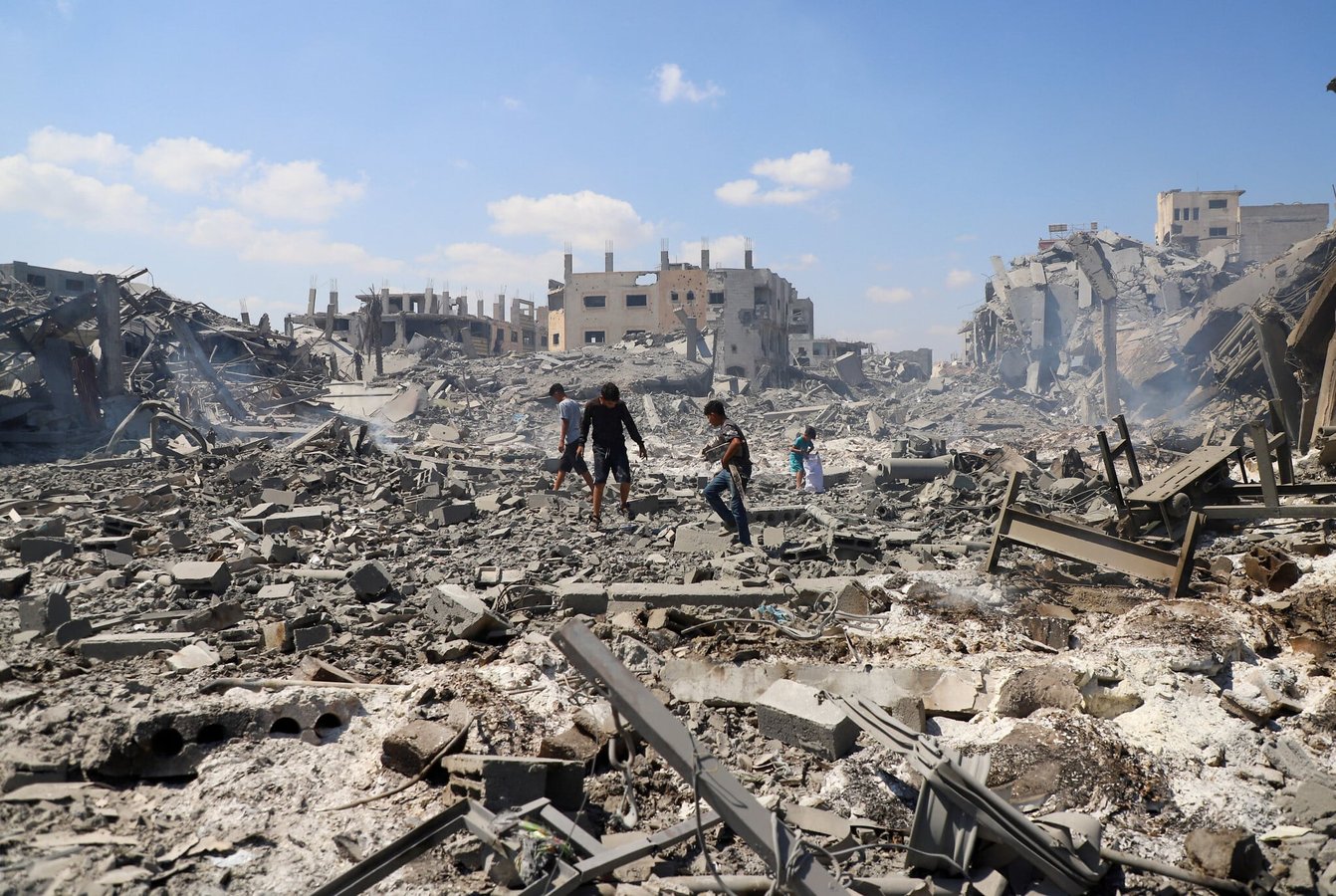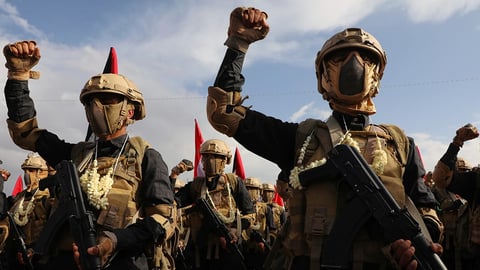

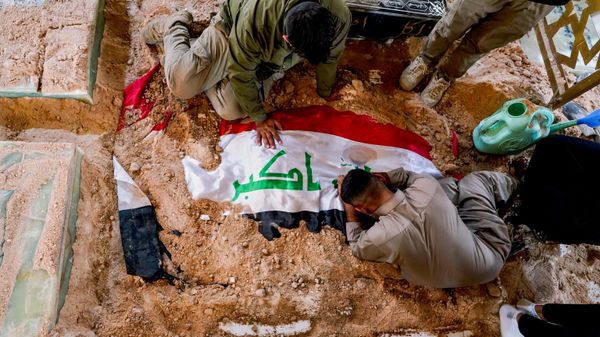
BAGHDAD — The Popular Mobilization Forces that US and Saudi warplanes struck Tuesday night are not some clandestine Iranian network. They draw salaries from the Iraqi state, operate under the nominal command of the Iraqi military, and hold seats in Baghdad’s parliament. That is what made Wednesday extraordinary: a US-Saudi operation that killed at least twenty PMF fighters and wounded thirty-two more in eastern Iraq had effectively struck a branch of the Iraqi government, and Tehran answered by firing five ballistic missiles at American military positions in Jordan before sunrise.
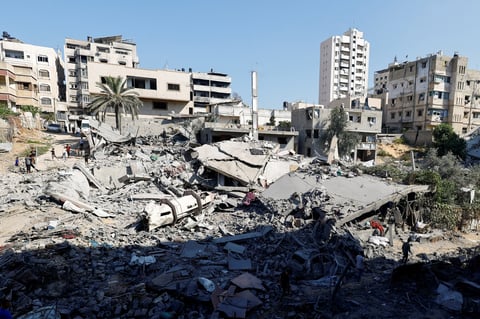
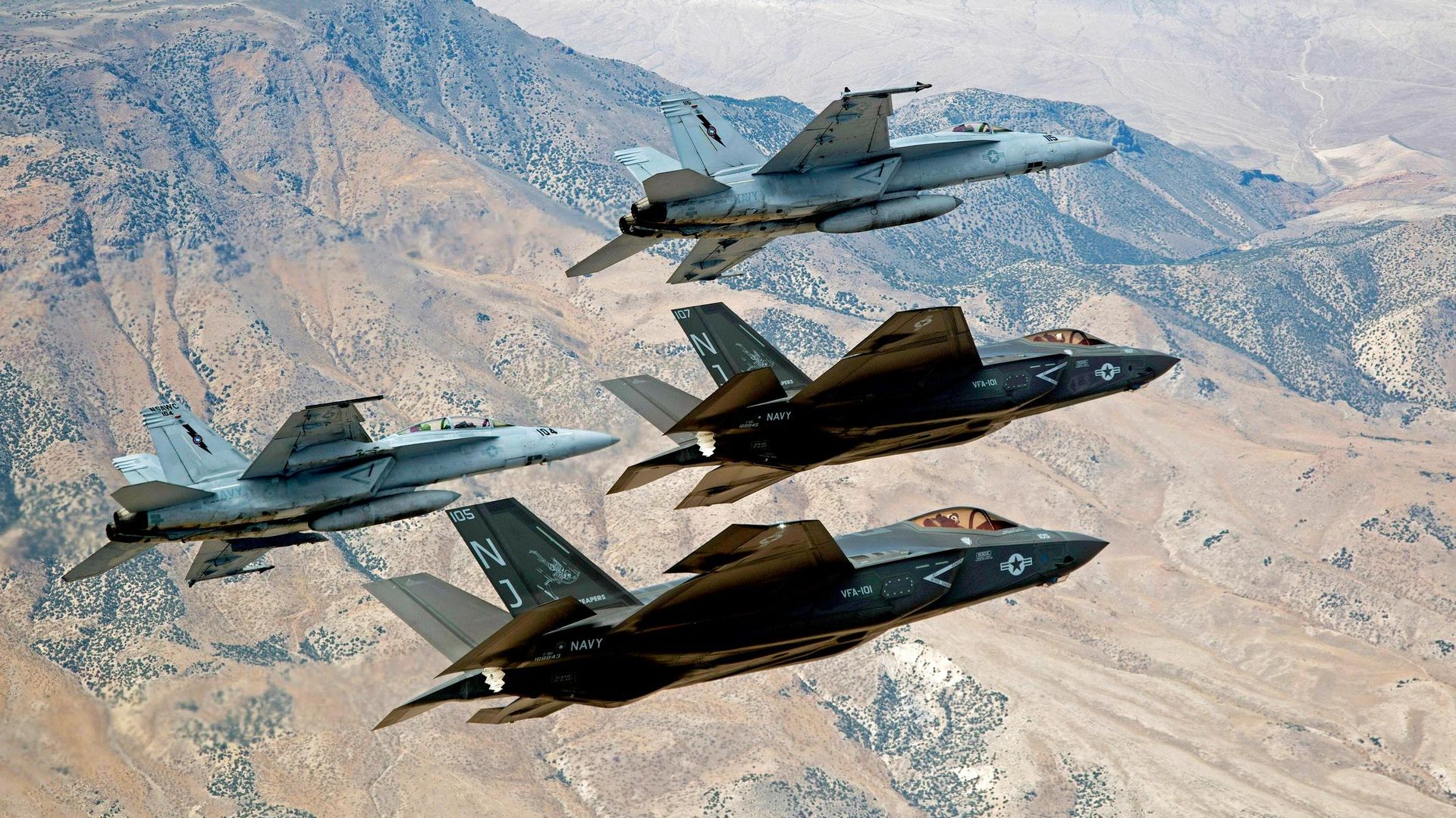
US Central Command said the strikes targeted supply warehouses and weapons storage facilities used by three Iran-aligned factions operating in eastern Iraq: Kataib Hezbollah, Harakat Hezbollah al-Nujaba, and elements of the Popular Mobilization Forces that CENTCOM described as acting under direct Islamic Revolutionary Guard Corps direction. The operation, conducted jointly with the Saudi Arabian Armed Forces, was framed as a response to “more than 30 IRGC-directed drone attacks over a 72-hour period” against American and Saudi installations across the region.
Saudi Arabia’s defense ministry confirmed its participation and offered a calibrated statement, declaring that “the kingdom does not seek escalation, but will respond to any aggression directed against it.” Riyadh’s involvement marks the first confirmed instance of Saudi forces joining a direct US operation targeting Iran-linked groups in Iraq, a deepening of Saudi engagement in the conflict that carries its own consequences for any future diplomatic track with Tehran.
The Iraqi government’s response came swiftly. Prime Minister Ali Faleh al-Zaidi directed an emergency session of the National Security Council for Wednesday and said his government would release a formal statement outlining “the sequence of events and policy decisions” resulting from the strikes, Sputnik reported. Baghdad’s position on whether it had authorized the operation remained conspicuously unclear: Trump stated the strikes were “coordinated with the Iraqi government,” a claim that could not be confirmed from Iraqi officials by Wednesday evening, and al-Zaidi’s emergency session suggested the government was caught off guard by the scope of what had happened on its territory.
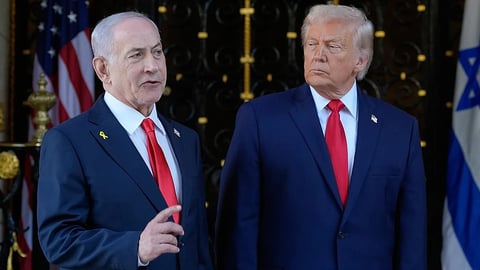
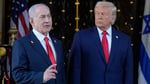
Speaking from the White House, President Trump described Iran-backed militias as “a cancer on the world” and vowed to “hit them very hard” if attacks on American and Saudi assets continued. Fox News reported that Trump confirmed American and Saudi aircraft had worked together and that the strikes were conducted overnight against what he called a network of Iranian-directed terrorist infrastructure. He had also issued a direct warning to Tehran ahead of the operation, repeating the threat in language whose force, if not its precise wording, left no room for misinterpretation.
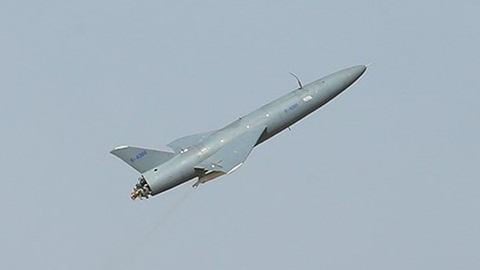
Iran’s answer came before sunrise. Tehran launched five ballistic missiles at US military facilities in Jordan, all intercepted by American missile defense systems with no US casualties reported. Trump, speaking publicly about the interception, stated the incoming missiles had traveled at “8,000 to 8,600 miles per hour,” an unusual degree of technical precision for a presidential statement during an active military exchange. Iran’s foreign ministry confirmed the strike as deliberate retaliation and warned that further aggression would draw “a proportionate and decisive” response. Whether Tehran intended the Jordan strike as a ceiling on its retaliation or an opening position remains unresolved.
The use of ballistic missiles targeting a US installation in Jordan represents a qualitative shift from the proxy network attacks that have defined earlier rounds of escalation in the conflict. Kataib Hezbollah and Harakat Hezbollah al-Nujaba operate with a degree of deniability that has allowed Tehran to calibrate its involvement in previous episodes. Wednesday’s missiles carried no such ambiguity. They came from Iran, were confirmed by Iran, and were aimed at a US facility in a country with no formal role in the Iraq portion of the conflict. US defense planners have tracked the distinction between proxy action and direct Iranian military engagement since hostilities began; Wednesday crossed the line they had been watching.
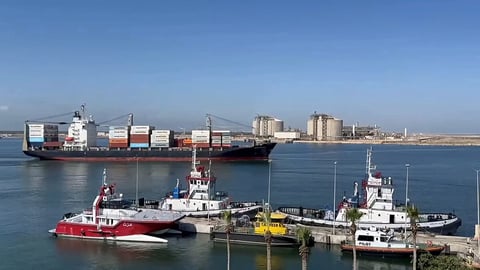
Energy markets absorbed the exchange immediately. Brent crude climbed as much as 6.9 percent in early Asian trading, pushing toward $90 a barrel, as traders priced in disruption to eastern Iraq’s logistics network and the possibility of further Iranian responses affecting broader shipping routes. Oil prices had already been elevated by weeks of Houthi strikes against Saudi crude tankers in the Red Sea, which had pushed Brent above $100 a barrel earlier this month. The prospect of simultaneous pressure across multiple supply corridors in a single session is precisely the scenario that major energy companies and analysts have flagged as capable of producing sustained prices well above any level seen since 2022.
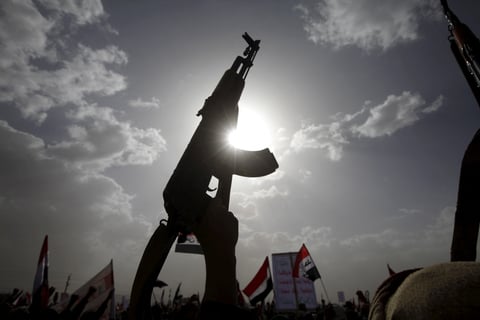
For Iraq, the immediate political problem is one that Baghdad has no clean way to manage. The PMF was formalized as an Iraqi state institution in 2016 and now comprises hundreds of thousands of fighters. Its Iran-aligned factions have been among the loudest voices in parliament demanding the full withdrawal of American forces from Iraqi soil. Strikes that kill PMF members, whatever justification Washington offers, hand those factions exactly the argument they have pursued for years: that Iraq’s sovereignty is conditional on the convenience of external powers. Al-Zaidi, who came to office with coalition support that includes PMF-aligned parties, cannot absorb Tuesday’s strikes as a routine counter-terrorism operation and leave it there.
The escalation’s reach extended past Baghdad. The Federal Reserve’s July rate decision, announced Thursday by Chair Kevin Warsh amid uncertainty already elevated by the Iran oil shock, now faces a fresh inflationary input from a conflict that showed no signs of reaching a ceiling on Wednesday. Warsh had already been navigating an environment in which oil above $100 complicated June’s disinflationary data. Another spike, from a new front in the same regional conflict, sharpens the dilemma he carries into Thursday’s announcement.
What Wednesday’s sequence does not resolve is the scope of what comes next. The PMF casualty figures, released by the organization itself, have not been independently verified, and the full extent of the damage to weapons sites in eastern Iraq remained unclear by Wednesday night. The US damage assessment from the Jordan intercepts had not been made public. And the Iraqi government, its prime minister in emergency session, had not yet said publicly whether it was consulted before the first strike, whether it considers what happened a violation of its sovereignty, or what response it intends. In a conflict that has already expanded its geographic footprint from the Gulf to the Red Sea to Jordan in a matter of weeks, leaving all three questions open is the one thing Wednesday accomplished with certainty.