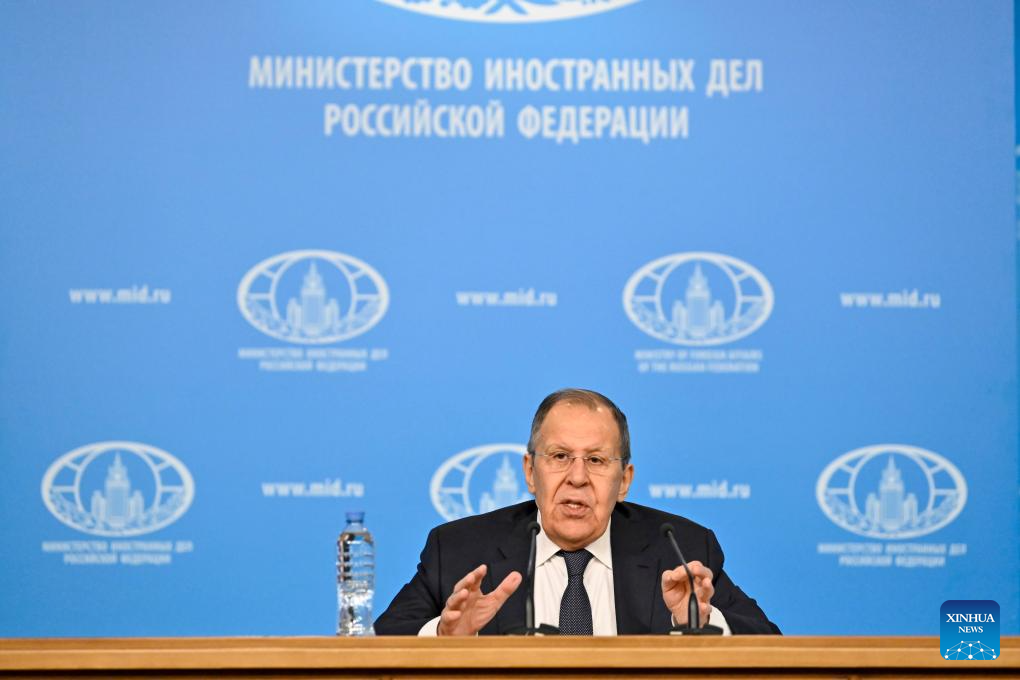

ST. PETERSBURG — The overtures have been arriving from Paris, Berlin, and Brussels in recent weeks. Russia’s answer, delivered Thursday from the marble corridors of the St. Petersburg International Economic Forum, was a single declarative sentence from Foreign Minister Sergey Lavrov: Moscow is not going to communicate with Europe.
The remark was brief but categorical. Responding to questions on the sidelines of SPIEF 2026, Lavrov pointed to recent European calls for an eventual return to dialogue with Russia — unnamed governments that had, in his characterisation, suddenly begun acknowledging that a conversation with Moscow would one day be necessary, while reserving the right to decide the timing and terms. That posture, he said, tells you everything you need to know about a continent that has not changed the mentality behind centuries of continental catastrophe.
“Those who have now suddenly started to speak out about the fact that at some point we will have to talk with Russia, but we will decide when and about what,” Lavrov said. The implication was not a negotiating position. It was a diagnosis.
Europe, Lavrov continued, has been a “fiend of hell” for many centuries — a power that has consistently acted in ways that produced world wars or large-scale continental conflicts and has not shed that instinct. Russia, he concluded, will proceed from that assessment. “We are not going to communicate with them.”
The language was more raw than anything Lavrov has said publicly about Europe in recent months. It is also more total. Russia has at various points maintained selective contact with individual European states — Hungarian Foreign Minister Péter Szijjártó has kept a channel open with Moscow that drew European Commission scrutiny as recently as March, when The Washington Post reported he had briefed Lavrov during breaks in EU meetings. That kind of back-channel contact now appears to exist entirely outside Moscow’s formal diplomatic calculus, at least as Lavrov describes it.
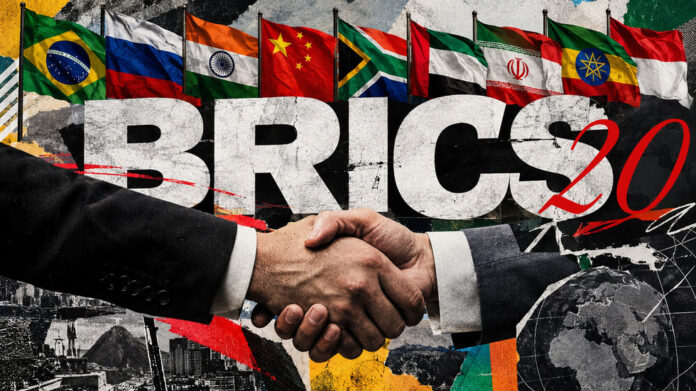
The timing is notable. SPIEF 2026 is running from June 3 to 6 under the motto “Pragmatic Dialogue: The Path to a Stable Future” — a title that, in context, was always addressed to audiences outside Europe. Russia’s envoy Kirill Dmitriev confirmed this week that Washington and Moscow are engaged in active dialogue on Arctic cooperation and trade, with US-Russia contacts described as constant. Russia has simultaneously been using the forum to develop financial architecture with Brazil ahead of the BRICS summit in Rio. The diplomatic pivot to the Global South and to Washington is not theoretical; it is the operating framework of the forum’s 20,000 delegates from 130 countries. Europe is conspicuous in its absence as a meaningful interlocutor.
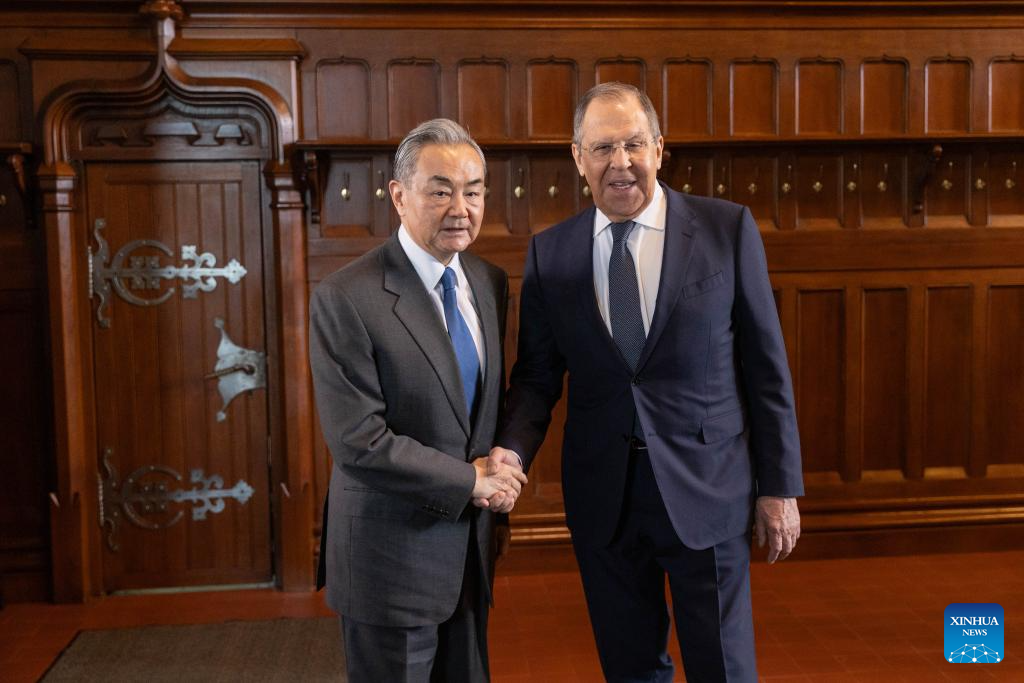
That estrangement has structural roots Lavrov was gesturing at, even if his language was inflammatory rather than analytical. Russia’s deputy foreign minister Mikhail Galuzin said earlier at SPIEF that the United States remains committed to a Ukraine settlement while Europe has effectively been shut out of that process — a framing that positions Washington and Moscow as the relevant principals and reduces Europe to the role of arms supplier and sanctions enforcer with no seat at the table that matters.
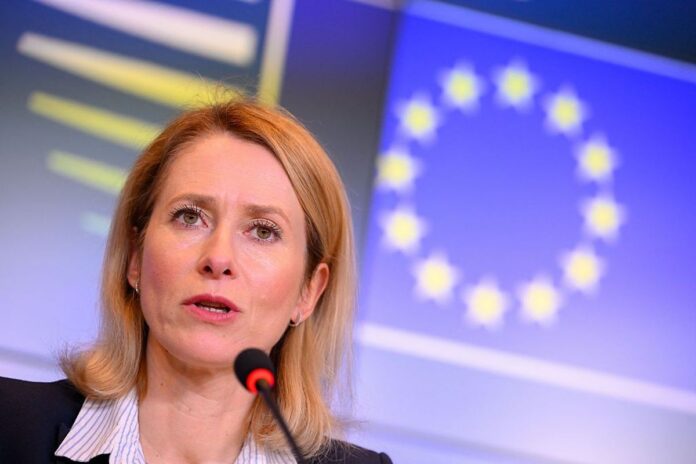
There is a pattern here that stretches back further than the current conflict. At his annual press conference in January 2026, Lavrov named Kaja Kallas, Ursula von der Leyen, Friedrich Merz, Keir Starmer, Emmanuel Macron, and Mark Rutte as leaders he accused of actively preparing for war with Russia, according to analysis published by EUvsDisinfo. He invoked the memory of Nazi Germany in reference to Merz. Thursday’s remarks at SPIEF are part of a consistent line, not an aberration — but the word “communicate” as a category to be withheld is new. Previous statements left room for formal diplomatic engagement; this one does not.
The specific European capitals whose dialogue gestures Lavrov was dismissing on Thursday have not been named. It is not clear whether his remarks were directed primarily at Germany, which has floated informal contact proposals, or at a broader set of EU members. The Russian Foreign Ministry has not issued a formal statement elaborating on the conditions, if any, under which Moscow might reconsider. What is clear is that Lavrov was not speaking off-script — remarks on the margins of SPIEF, with media present and a scheduled interview day confirmed by the ministry in advance, carry the weight of deliberate communication.
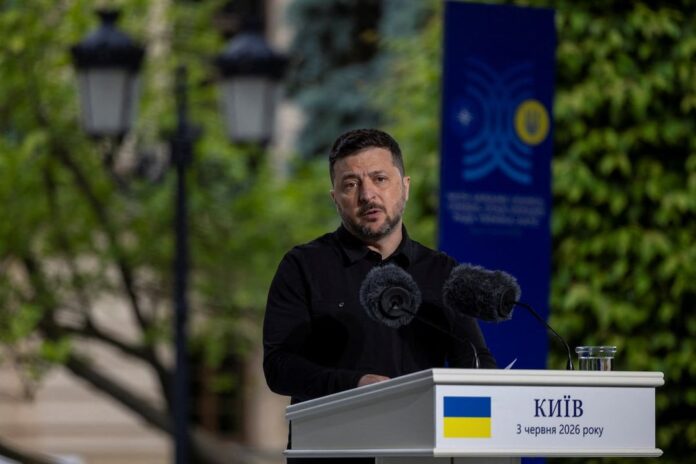
Whether European governments treat Thursday’s statement as a definitive position or as a negotiating posture is the unresolved question. Brussels has repeatedly said it will not negotiate over Ukraine without Kyiv’s participation. The Russian operation in Ukraine, now in its fourth year, has not produced the diplomatic isolation of Russia that Western capitals anticipated in 2022 — as the attendance figures at SPIEF and the forum’s financial volumes illustrate. Lavrov’s calculation, evident in the brevity and finality of his remark, is that Europe needs the conversation more urgently than Moscow does.
The 29th St. Petersburg International Economic Forum runs through June 6. RIA Novosti is the general information partner of the event.
—Inputs from RIA Novosti, Sputnik.