
MOSCOW — Russia’s deputy foreign minister called on Thursday for international counter-terrorism frameworks to be applied to what Moscow describes as the threat posed by Ukraine’s government, in a statement framing an ongoing military conflict in the language of global security cooperation.
Dmitry Lyubinsky, the Russian deputy foreign minister, told RIA Novosti that the experience of international coordination against terrorism in other regions should be applied collectively to the situation Moscow characterizes as emanating from Kyiv.
“The results of such international cooperation convincingly confirm that the experience of cooperating in the fight against terrorism in other regions can and should be jointly applied to counter the terrorist threat emanating from Kiev,” Lyubinsky said.
He added that Moscow considers effective counter-terrorism achievable only through the combined efforts of all states, with cooperation conducted without double standards or hidden agendas, language Moscow regularly uses to characterize Western military support for Ukraine as politically selective rather than principled.
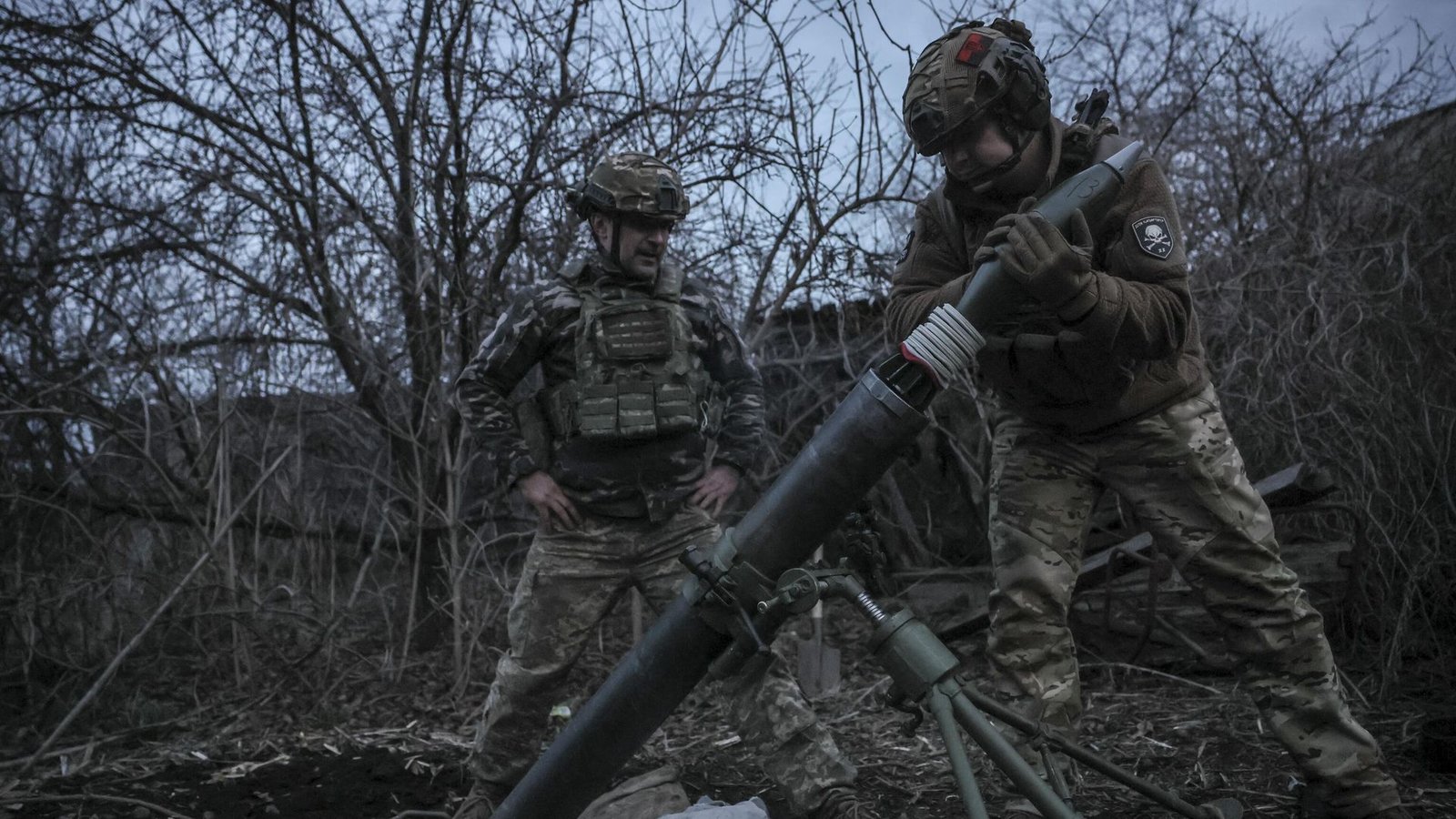
Russia’s framing of the Ukrainian government as a terrorist actor is a longstanding element of Moscow’s public characterization of its military operation in Ukraine, now in its fifth year. The characterization has not been recognized by the United Nations, the European Union, or any major multilateral body. Ukraine and its Western supporters have consistently described Russia’s military conduct as an illegal occupation and, in relation to strikes on civilian infrastructure, as violations of international humanitarian law.
The counter-terrorism framing serves a dual function in Moscow’s communications. Domestically, it places the Russian operation within the recognized right to self-defense against non-state or state-sponsored violence. Internationally, it is directed primarily at governments in the Global South that have maintained formal neutrality while facing pressure from both sides to align their positions.
Lyubinsky’s statement does not identify a specific diplomatic mechanism through which his proposal could be advanced. According to the United Nations, no procedure exists by which one member state can have another designated a terrorist actor over the objection of veto-holding permanent members of the Security Council, and Western states have consistently blocked Russian resolutions framing Ukraine in those terms.
What Thursday’s statement reflects is Russia’s continued effort to apply the language of internationally recognized norms, including counter-terrorism, non-interference, and collective security, to a conflict where the majority of UN member states have not endorsed Moscow’s position. The audience for that effort is not the states already aligned against Russia. It is the states that have not yet chosen a side.